CM Bhajan Lal Sharma Offers Prayers at Govind Dev Ji on Nirjala Ekadashi
Synopsis
Rajasthan Chief Minister Bhajan Lal Sharma offered prayers at the historic Shri Govind Dev Ji Maharaj temple in Jaipur on Nirjala Ekadashi, seeking divine blessings for the health, happiness, and prosperity of all residents of the state.
Key Takeaways
CM Bhajan Lal Sharma visited the Shri Govind Dev Ji Maharaj temple in Jaipur on 25 June 2026 on the occasion of Nirjala Ekadashi .
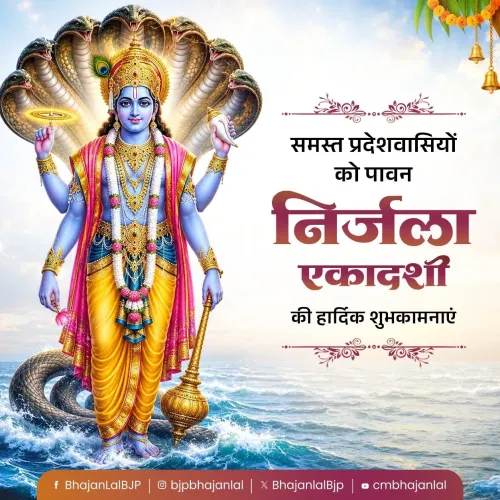
Nirjala Ekadashi is a waterless fast observed in the Hindu month of Jyeshtha , dedicated to Lord Vishnu , and is considered one of the most significant Ekadashis of the year.
CM Sharma prayed for the 'good health, happiness, prosperity, and continuous progress' of all Rajasthan residents.
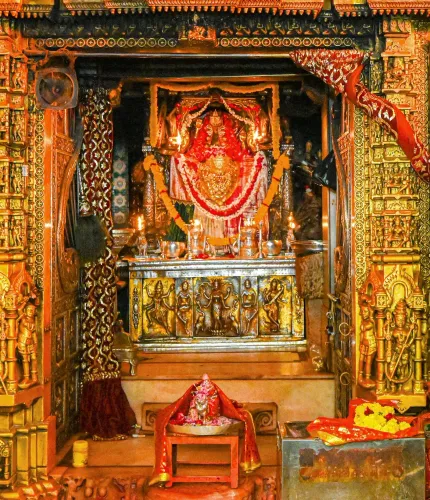
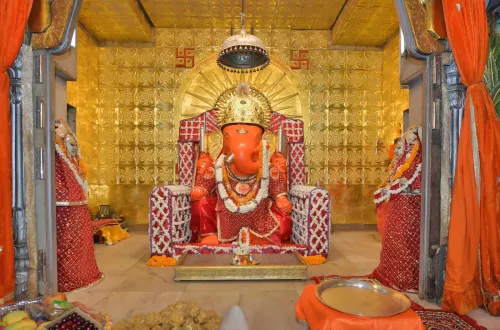
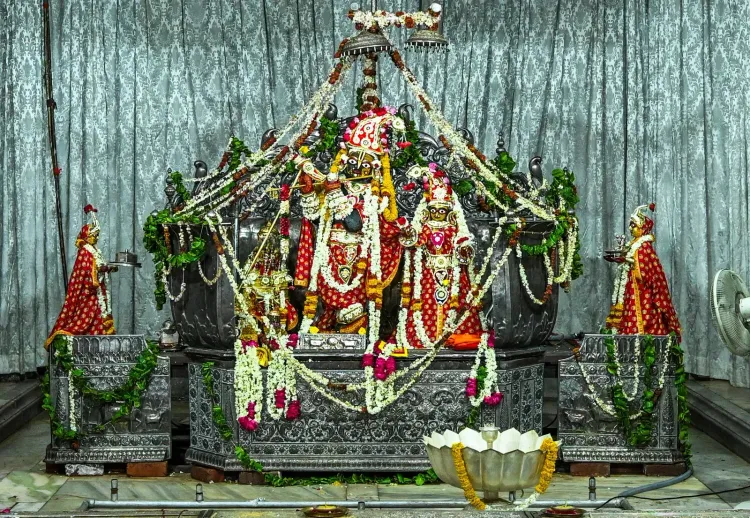
The Govind Dev Ji Maharaj temple , located in the City Palace complex , is one of Rajasthan's most revered Krishna shrines with centuries of royal patronage.
The visit follows a well-established pattern of senior Indian political leaders participating in major religious observances as expressions of public goodwill.
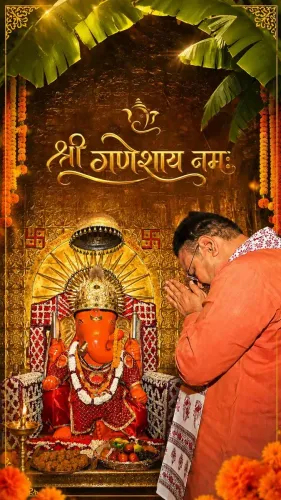
Rajasthan Chief Minister Bhajan Lal Sharma visited the historic Shri Govind Dev Ji Maharaj temple in Jaipur on Thursday, 25 June 2026, on the occasion of Nirjala Ekadashi, seeking divine blessings for the welfare and prosperity of all residents of the state.
Context
Nirjala Ekadashi is one of the most significant observances in the Hindu calendar, falling in the month of Jyeshtha. Devotees observe a complete fast — without even water — dedicated to Lord Vishnu, making it among the most austere of the twenty-four Ekadashis observed through the year. The day draws large congregations of devotees to Vishnu and Krishna temples across the country.
CM Sharma shared the visit on social media, writing: 'Aaj Nirjala Ekadashi ke pawan avsar par Jaipur ke aaradhya Shri Govind Dev Ji Maharaj ke darshan-pujan ka saubhagya prapt hua' ('Today, on the auspicious occasion of Nirjala Ekadashi, I had the privilege of visiting and offering prayers to Jaipur's revered Shri Govind Dev Ji Maharaj'). He added that he prayed to the deity for the 'good health, happiness, prosperity, and continuous progress of all residents of Rajasthan,' and expressed the wish that 'the grace and blessings of the Lord remain with all of us always.'
Policy Backdrop
The Shri Govind Dev Ji Maharaj temple, located within the City Palace complex in Jaipur, is one of the most venerated Krishna shrines in Rajasthan and carries centuries of royal patronage from the Kachwaha Rajput dynasty. The idol is believed to have been installed under the patronage of Maharaja Sawai Jai Singh II in the early eighteenth century, and the temple continues to draw lakhs of pilgrims annually.
Senior political figures in India — including chief ministers across party lines — routinely visit prominent temples on major religious occasions to offer prayers on behalf of their constituents. In Rajasthan, a state with a long tradition of royal temple patronage and a predominantly Hindu population, such visits by state leadership are a well-established practice viewed as expressions of personal faith and public goodwill rather than formal policy announcements.
Stakeholders and Impact
The visit is of symbolic significance to the large community of Hindu devotees and residents across Rajasthan who observe Nirjala Ekadashi. For many, a chief minister's public participation in the observance reinforces the cultural and religious identity associated with the occasion.
The Govind Dev Ji temple serves not only as a religious landmark but also as a major cultural institution in Jaipur, attracting pilgrims from across the country. CM Sharma's visit, accompanied by photographs shared on his official social media handle, amplifies the temple's visibility during one of its busiest religious days of the year.
What's Next
With the Hindu festival calendar entering a busy period — including major observances such as Teej, Janmashtami, and Hariyali Amavasya in the coming months — similar temple visits and public religious engagements by CM Bhajan Lal Sharma and other senior state leaders are expected. These occasions also tend to coincide with announcements related to heritage conservation, pilgrim infrastructure, or cultural tourism in Rajasthan, areas where the current state government has expressed interest in expanding investment.
Point of View
Where temple patronage has deep historical roots in the Rajput royal tradition, a chief minister's participation carries resonance beyond routine religiosity. As the state approaches a series of major Hindu festivals over the coming months, these engagements are likely to intensify, functioning as soft-power signals of cultural continuity alongside the government's administrative agenda.
NationPress
25 Jun 2026
Frequently Asked Questions
Why did Rajasthan CM Bhajan Lal Sharma visit Govind Dev Ji temple?
CM Bhajan Lal Sharma visited the Shri Govind Dev Ji Maharaj temple in Jaipur on the occasion of Nirjala Ekadashi to offer prayers for the health, happiness, and prosperity of all Rajasthan residents.
What is Nirjala Ekadashi?
Nirjala Ekadashi is a Hindu observance in the month of Jyeshtha during which devotees fast completely without water. It is dedicated to Lord Vishnu and is considered one of the most austere and significant of the twenty-four Ekadashis observed annually.
Where is the Govind Dev Ji Maharaj temple located?
The Shri Govind Dev Ji Maharaj temple is located within the City Palace complex in Jaipur, Rajasthan. It is one of the most revered Krishna shrines in the state, with origins dating to the early eighteenth century under Maharaja Sawai Jai Singh II.
Who is Bhajan Lal Sharma?
Bhajan Lal Sharma is the Chief Minister of Rajasthan and a BJP leader who assumed office in December 2023 following the state assembly elections.
Is it common for Indian chief ministers to visit temples on religious occasions?
Yes, senior political figures including chief ministers across party lines in India routinely visit prominent temples on major religious days to offer prayers on behalf of their constituents. Such visits are generally viewed as expressions of personal faith and public goodwill.