CM Bhajan Lal Sharma Pays Tribute to BSF Martyrs at Jaisalmer
Synopsis
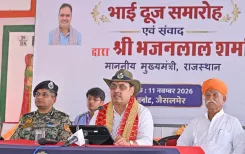
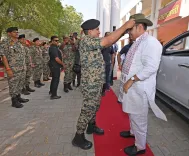
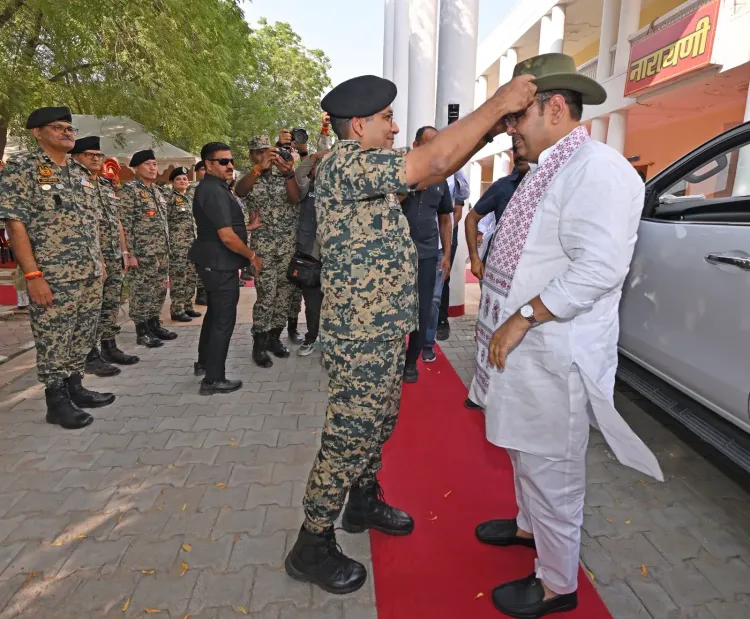
Rajasthan Chief Minister Bhajan Lal Sharma met BSF jawans and laid a wreath at the Vijay Stambh in Jaisalmer on November 11, 2026, honouring soldiers who sacrificed their lives defending India's western border.
Key Takeaways
Rajasthan CM Bhajan Lal Sharma visited Jaisalmer on November 11, 2026 to meet BSF personnel at the western border.
Sharma laid a wreath — a pushpachakra — at the Vijay Stambh , Jaisalmer's memorial to border martyrs.
He described BSF jawans as symbols of 'indomitable courage, incomparable valour, and unbreakable national devotion.' Rajasthan shares a 1,048-kilometre international border with Pakistan, making civil-military coordination in the state strategically significant.
The visit is part of a broader pattern of border-state chief ministers engaging with central armed police forces at forward posts.
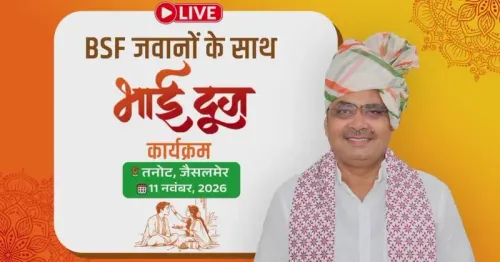
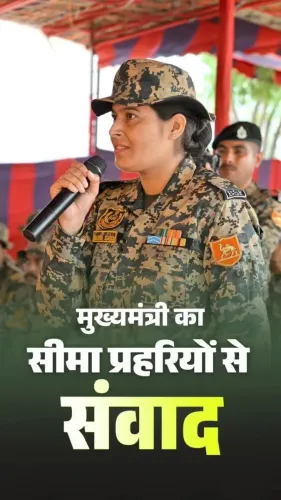
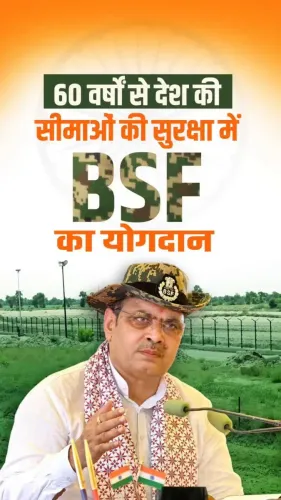
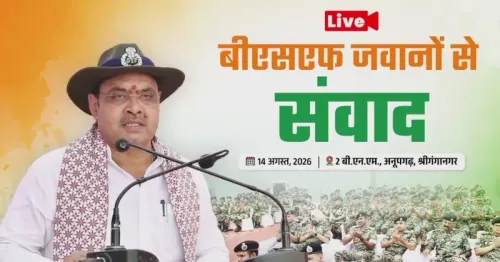
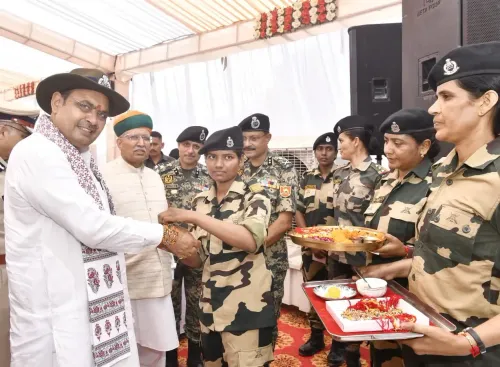
At the edge of India's western desert frontier, Rajasthan Chief Minister Bhajan Lal Sharma met with Border Security Force (BSF) jawans in Jaisalmer on Wednesday, November 11, 2026, and laid a wreath at the Vijay Stambh — the memorial pillar honouring those who gave their lives guarding the nation's borders.
Posting on X, Sharma described the meeting as 'aatmiya bhet' — a heartfelt, personal encounter — with the BSF's brave jawans, before moving to the Vijay Stambh to offer a floral wreath to the martyrs. 'Those who stand like a rock against every challenge in defending the nation's borders are symbols of indomitable courage, incomparable valour, and unbreakable national devotion,' he wrote, adding that their sacrifice would 'forever inspire the countrymen to advance faithfully on the path of national service and duty.'
Jaisalmer's Weight: A Frontier That Remembers Its Fallen
Jaisalmer sits on the spine of the Rajasthan-Pakistan border — a district defined as much by its golden dunes as by its strategic weight. The BSF, India's first line of defence along land borders, maintains a substantial presence here, manning some of the country's most demanding forward posts across the Thar Desert. The Vijay Stambh in Jaisalmer stands as a solemn reminder of that cost — a pillar dedicated to personnel who fell in the line of duty.
Chief ministers of border states visiting forward posts and paying homage at military memorials is an established practice, one that reinforces the civil-military relationship at the state level. For Rajasthan, which shares a 1,048-kilometre international border with Pakistan, that relationship carries particular operational significance — border infrastructure, local administration, and BSF coordination all hinge on sustained state-level engagement.
A Salute to Courage, in the CM's Own Words
Sharma's tribute was notably personal in register, not merely ceremonial. He described the martyrs' dedication and sacrifice as 'the unbreakable foundation of the nation's pride' and offered what he called 'koti-koti naman' — a salute from millions — to the jawans' courage and selfless devotion. The language cut through the usual formal vocabulary of state visits, framing the soldiers not as institutional assets but as moral exemplars for all citizens.
The visit took place as India marked November 11, a date that carries its own global resonance as Remembrance Day — lending the wreath-laying an added layer of symbolic weight, even if the domestic context is squarely rooted in India's own border history.
When the last petal of the wreath settles on the Vijay Stambh, the question that lingers is whether this tribute translates into tangible commitments on border infrastructure and welfare for the families of the fallen — the truest measure of a salute.
Point of View
Where the BJP administration has sought to position itself as robustly pro-defence since coming to power in late 2023. Paying homage at the Vijay Stambh on November 11 adds symbolic layering: it anchors a routine administrative gesture in the moral vocabulary of sacrifice and national duty. The visit also keeps state-level attention on BSF welfare and border infrastructure at a time when the Rajasthan frontier remains operationally sensitive. Whether it leads to concrete policy follow-through on border-village development or BSF family welfare schemes will determine its lasting significance beyond the ceremony.
NationPress
11 Nov 2026
Frequently Asked Questions
Why did CM Bhajan Lal Sharma visit Jaisalmer on November 11, 2026?
CM Bhajan Lal Sharma visited Jaisalmer to meet BSF jawans posted at the western border and to lay a wreath at the Vijay Stambh, paying tribute to martyrs who died defending India's borders.
What is the Vijay Stambh in Jaisalmer?
The Vijay Stambh is a memorial pillar in Jaisalmer dedicated to BSF personnel and soldiers who laid down their lives while guarding India's western border with Pakistan.
What is the BSF's role in Rajasthan?
The Border Security Force (BSF) is responsible for guarding India's land borders, and in Rajasthan it patrols the approximately 1,048-kilometre international border with Pakistan, including forward posts in the Thar Desert.
What did CM Bhajan Lal Sharma say about BSF jawans?
Sharma called BSF jawans 'symbols of indomitable courage, incomparable valour, and unbreakable national devotion,' and said their sacrifice would forever inspire citizens to serve the nation faithfully.
Do Rajasthan chief ministers regularly visit BSF posts?
Yes, chief ministers of border states like Rajasthan regularly visit forward posts and war memorials to meet BSF personnel and pay homage to martyrs — a practice that reinforces state-level civil-military coordination.