CM Bhajan Lal Sharma Pays Tribute to Warrior Jhalkari Bai
Synopsis
Rajasthan Chief Minister Bhajan Lal Sharma honoured Jhalkari Bai on her birth anniversary, saluting the Durga Dal warrior's courage and sacrifice during the 1857 First War of Independence and calling her legacy an inspiration for women in national service.
Key Takeaways
Rajasthan CM Bhajan Lal Sharma paid tribute to Jhalkari Bai on her birth anniversary on 22 November 2026 .
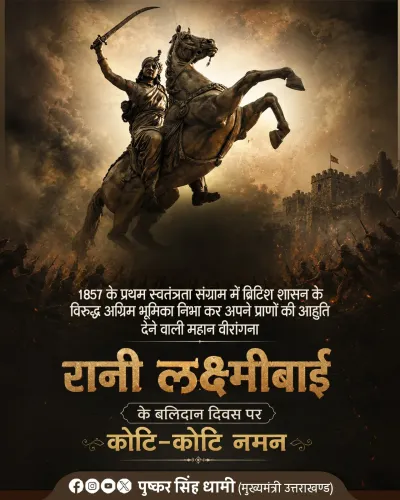
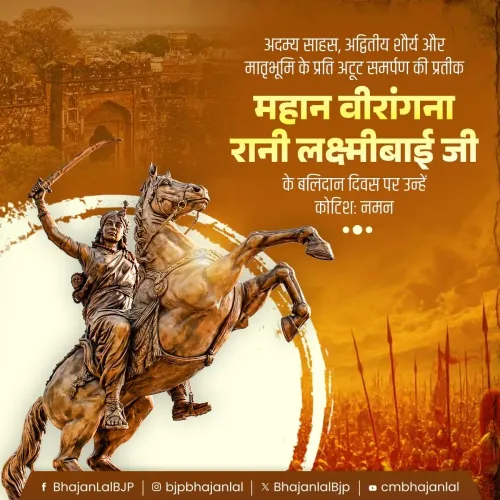
Jhalkari Bai was a soldier in the Durga Dal , the all-women battalion of Rani Lakshmibai's army during the 1857 First War of Independence .
CM Sharma described her 'indomitable courage, valour and unwavering devotion to the motherland' as an invaluable part of Indian history.
Jhalkari Bai is especially revered within Dalit communities as a symbol of resistance and pride.
The tribute reflects a broader BJP practice of commemorating diverse, often overlooked figures from the 1857 uprising to highlight inclusive nationalism.
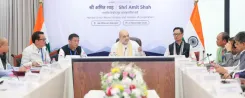
She fought in disguise, commanded a battalion of women warriors, and stared down an empire — yet her name rarely makes the front page. On her birth anniversary, Rajasthan Chief Minister Bhajan Lal Sharma paid tribute to Jhalkari Bai, the fearless soldier of the Durga Dal who served in Rani Lakshmibai's army during the 1857 First War of Independence.
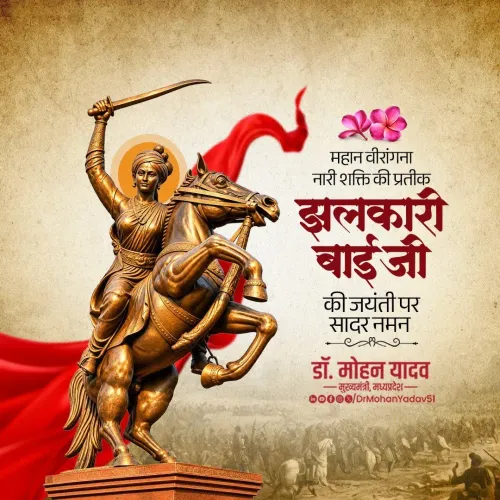
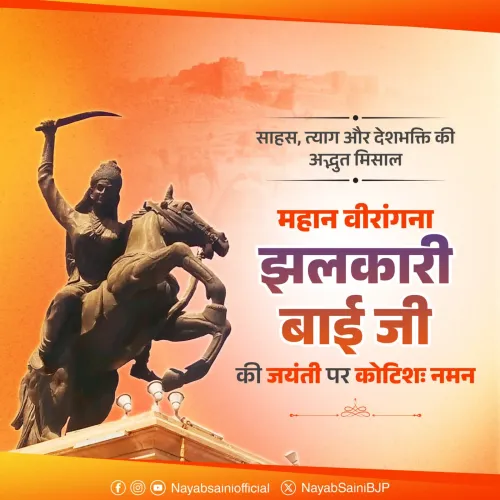
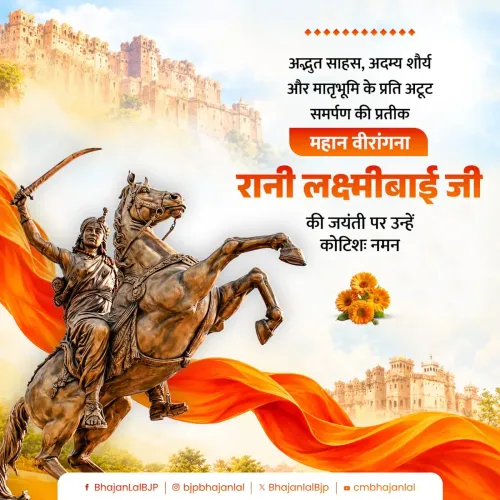
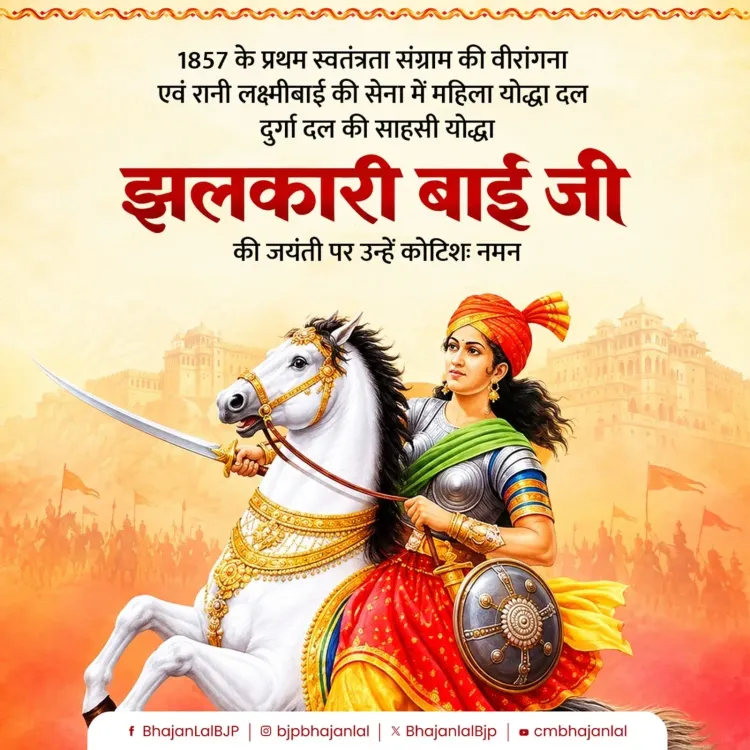
Posting on Sunday, 22 November 2026, CM Sharma wrote: '1857 के प्रथम स्वतंत्रता संग्राम की वीरांगना... झलकारी बाई जी की जयंती पर उन्हें कोटिशः नमन!' — saluting Jhalkari Bai as a warrior whose 'indomitable courage, valour and unwavering devotion to the motherland is an invaluable heritage of Indian history.' He added that her sacrifice would continue to inspire the people of the country, especially women, in the service of the nation and protection of self-respect.Who Was Jhalkari Bai and What Was the Durga Dal?
Jhalkari Bai was a soldier in the Durga Dal, an all-women warrior battalion raised by Rani Lakshmibai of Jhansi as part of her resistance army during the 1857 uprising against the British East India Company. Accounts of her bravery describe her as physically resembling Rani Lakshmibai herself — a likeness she is said to have used to protect the queen during the siege of Jhansi. She holds a revered place particularly among Dalit communities, who count her as one of their own heroines from the independence struggle.
The 1857 revolt — launched in Meerut in May of that year and spreading rapidly across northern and central India — is officially recognised as the First War of Independence. Rani Lakshmibai's defence of Jhansi remains one of its most iconic chapters, and the Durga Dal represents a largely unsung dimension of that resistance: organised, armed, and female.
A Political Tradition of Reclaiming 1857's Forgotten Fighters
Indian political leaders across the spectrum mark the birth and death anniversaries of 1857 figures with public tributes, but the commemorations carry particular weight when they spotlight women and marginalised communities whose roles have historically been underrepresented in mainstream historical accounts. For the BJP, such remembrances fit a broader narrative of inclusive nationalism — honouring a diverse cast of freedom fighters beyond the most celebrated names.
CM Sharma's tribute follows a pattern of Rajasthan's ruling establishment using these occasions to reinforce themes of sacrifice, nari shakti (women's power), and national pride — values the government has sought to embed in public discourse and, potentially, in school curricula and state programmes going forward.
Point of View
Bringing forward women and Dalit figures who have long been sidelined in dominant historical narratives. By invoking the Durga Dal and the theme of 'nari shakti,' the party links 1857's legacy directly to its contemporary messaging on women's empowerment. For Rajasthan's government, such commemorations also serve a soft-power function — signalling cultural priorities that could shape education policy and state-sponsored events. The pattern suggests these tributes are less ceremonial formality and more a sustained effort to reframe who India's 'founding' heroes are.
NationPress
22 Nov 2026
Frequently Asked Questions
Who was Jhalkari Bai?
Jhalkari Bai was a brave woman warrior who served in the Durga Dal, the all-women military unit of Rani Lakshmibai's army during the 1857 First War of Independence. She is particularly revered in Dalit communities for her courage and sacrifice.
What was the Durga Dal?
The Durga Dal was an organised battalion of women soldiers raised by Rani Lakshmibai of Jhansi as part of her resistance force during the 1857 uprising against British East India Company rule.
Why did CM Bhajan Lal Sharma post a tribute to Jhalkari Bai?
Rajasthan Chief Minister Bhajan Lal Sharma posted the tribute to mark Jhalkari Bai's birth anniversary, honouring her role in the 1857 revolt and calling her sacrifice an inspiration for women in national service.
What is the significance of the 1857 revolt in Indian history?
The 1857 revolt, which began in Meerut and spread across north and central India, is officially recognised as the First War of Independence against British colonial rule. Rani Lakshmibai's defence of Jhansi is one of its most iconic episodes.
Why is Jhalkari Bai important for Dalit communities?
Jhalkari Bai is counted as a Dalit heroine who rose to military prominence through sheer courage and skill, making her a powerful symbol of resistance and dignity for Dalit communities across India.