CM Bhajan Lal joins 134th Mann Ki Baat with youth
Synopsis
Rajasthan Chief Minister Bhajan Lal Sharma joined youth at his official residence on 31 May 2026 to listen to the 134th Mann Ki Baat episode. PM Modi called for heat precautions, promoted traditional drinks like Rajasthan's chaach, and highlighted young athletes, astronomy education, and the return of Chola copper plates from the Netherlands.
Key Takeaways
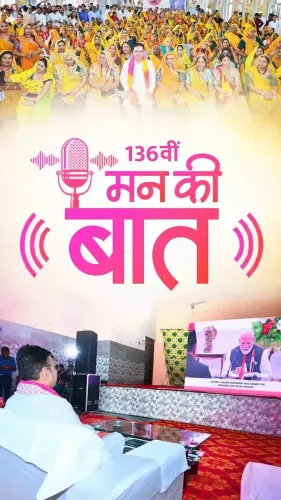
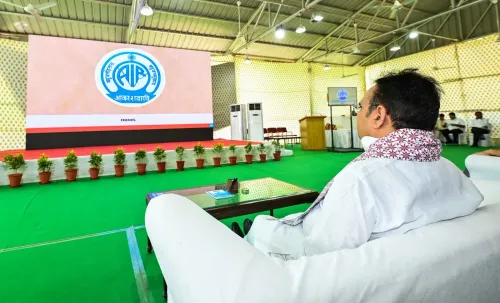
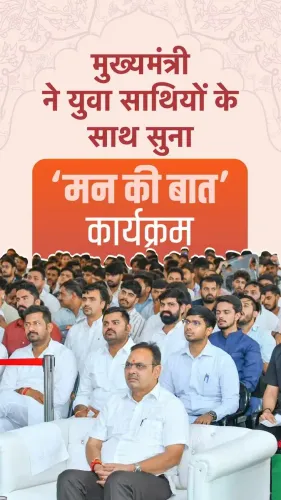
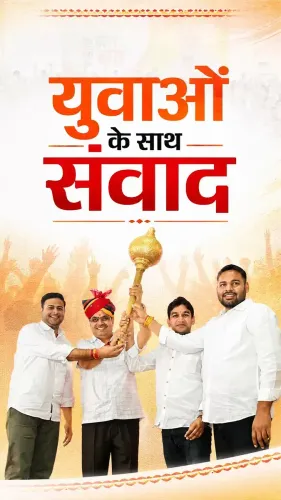
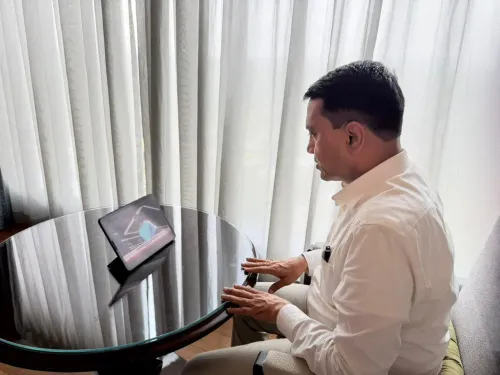
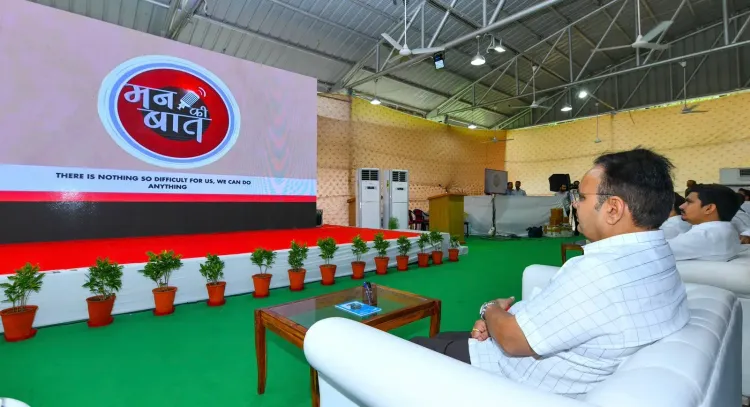
CM Bhajan Lal Sharma listened to the 134th Mann Ki Baat episode with young citizens at the Chief Minister's residence in Jaipur on 31 May 2026 .
PM Modi urged citizens to stay alert during rising summer temperatures and promoted traditional beverages and foods as natural cooling remedies.
Rajasthan's chaach (buttermilk) was highlighted as both a health measure and a symbol of the state's cultural heritage.
The episode covered national records set by young athletes and efforts to foster astronomy interest among children .
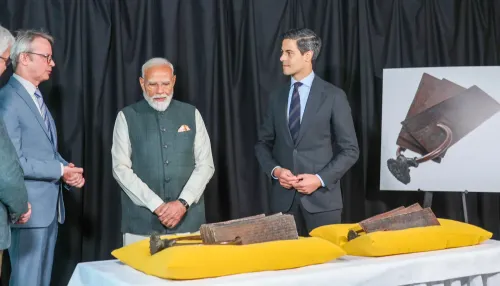
The return of Chola dynasty copper plates from the Netherlands was cited as an example of cultural heritage diplomacy.
Mann Ki Baat has run monthly since October 2014 as PM Modi's direct citizen-communication platform on All India Radio.
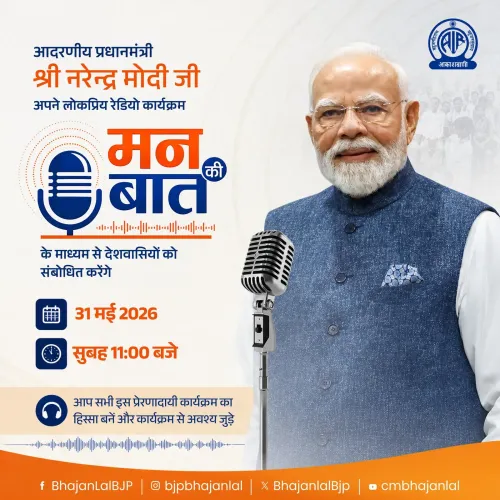
Rajasthan Chief Minister Bhajan Lal Sharma joined young citizens at the Chief Minister's residence in Jaipur on Sunday, 31 May 2026, to listen to the 134th episode of Prime Minister Narendra Modi's monthly radio address, Mann Ki Baat, sharing key takeaways on public health, cultural heritage, and national achievement.
Context
In his post, CM Sharma noted that Prime Minister Modi called on citizens to exercise caution amid rising summer temperatures and highlighted traditional kitchen beverages and food practices as effective, indigenous shields against heat. Sharma specifically cited Rajasthan's own chaach (buttermilk) as a drink that 'not only cools the body but is also a symbol of our rich folk traditions and cultural heritage.'
The Chief Minister also relayed that the episode touched on young athletes who have set national records in athletics, efforts to build interest in astronomy among children, and the return of Chola dynasty copper plates from the Netherlands — subjects the Prime Minister described as sources of national inspiration.
Policy Backdrop
Mann Ki Baat was launched by Prime Minister Narendra Modi in October 2014 as a monthly All India Radio programme designed to foster direct communication between the Prime Minister and ordinary citizens. Over more than a decade, the programme has consistently woven together themes of public health, social participation, cultural pride, and grassroots achievement.
The 134th episode, broadcast on 31 May 2026, continued this format, using the onset of summer to promote traditional dietary wisdom alongside stories of sporting and scientific accomplishment. The reference to Chola-era copper plates recovered from the Netherlands aligns with a broader national emphasis on the repatriation and celebration of India's historical artefacts through cultural diplomacy.
Stakeholders and Impact
For Rajasthan — one of India's hottest states during summer — the Prime Minister's advice on traditional cooling practices carries immediate public-health relevance. Beverages such as chaach, aam panna, and sharbat are already embedded in the state's food culture, and an endorsement from the national platform lends fresh visibility to indigenous knowledge systems.
Young athletes and school children featured in the episode stand to benefit from the national spotlight, while the Chola copper-plate reference reinforces ongoing government messaging around heritage recovery and cultural pride. CM Sharma's decision to listen alongside 'young companions' (yuva sathiyon) signals a deliberate effort to connect the next generation with the programme's civic themes.
What's Next
State governments that amplify Mann Ki Baat episodes often follow up with local initiatives echoing the broadcast's themes. Observers will watch whether Rajasthan rolls out awareness drives on traditional summer beverages, school-level astronomy outreach programmes, or events spotlighting the young athletes cited in the episode. The next monthly instalment of Mann Ki Baat will offer another opportunity for state leadership to align local governance messaging with the Prime Minister's national communication platform.
Point of View
Sharma simultaneously reinforces BJP's cultural-nationalism narrative and positions indigenous knowledge as a policy asset. The episode's breadth — spanning athletics, astronomy, and artefact repatriation — reflects the programme's deliberate design as a soft-power instrument that binds diverse citizen segments to a unified national story. For a desert state heading into peak summer, the health-and-heritage framing is both practically relevant and electorally resonant.
NationPress
25 Sept 2026
Frequently Asked Questions
What was discussed in Mann Ki Baat 134th episode?
The 134th episode of Mann Ki Baat, broadcast on 31 May 2026, covered summer heat precautions and traditional cooling beverages, national records set by young athletes, efforts to promote astronomy among children, and the return of Chola dynasty copper plates from the Netherlands.
What is Mann Ki Baat and when did it start?
Mann Ki Baat is a monthly radio programme on All India Radio hosted by Prime Minister Narendra Modi. It was launched in October 2014 as a platform for direct communication between the Prime Minister and citizens on governance, culture, and social themes.
Why did CM Bhajan Lal Sharma mention Rajasthan's chaach?
CM Sharma cited Rajasthan's traditional buttermilk drink chaach to echo PM Modi's advice on using indigenous beverages to cope with summer heat, while also highlighting it as a symbol of the state's folk traditions and cultural heritage.
What are the Chola copper plates returned from the Netherlands?
The Chola copper plates are historical artefacts from the medieval South Indian Chola dynasty that were held in the Netherlands. Their return is part of broader cultural diplomacy efforts focused on repatriating Indian heritage objects from abroad.
How does CM Bhajan Lal Sharma participate in Mann Ki Baat?
CM Sharma organised a collective listening session at the Chief Minister's residence in Jaipur on 31 May 2026, gathering young citizens to hear the 134th episode and subsequently shared key highlights on social media to amplify the programme's messages at the state level.