CM Bhajan Lal tunes into Mann Ki Baat, meets new councillors
Synopsis
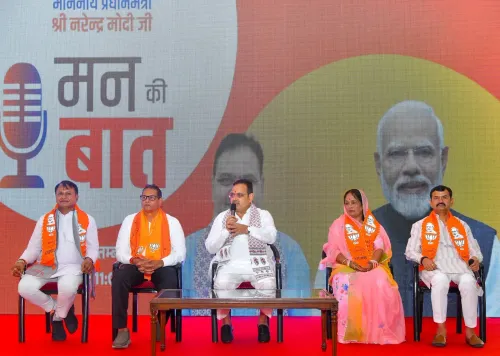
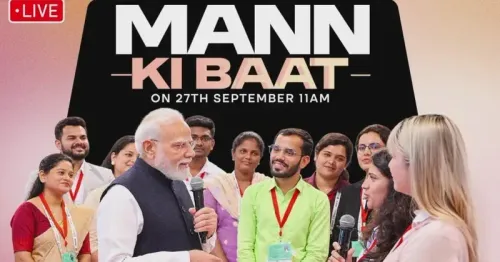
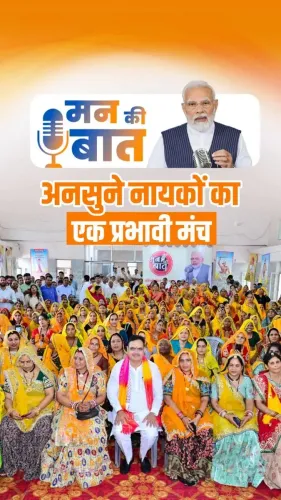
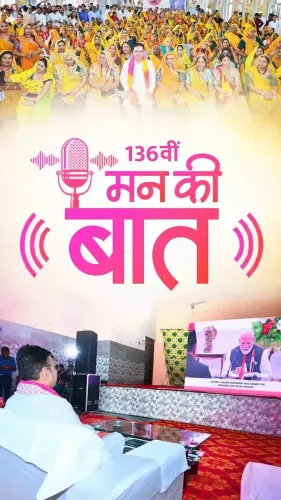
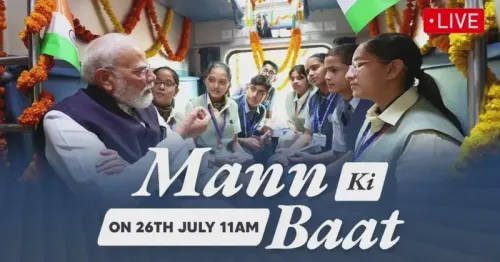
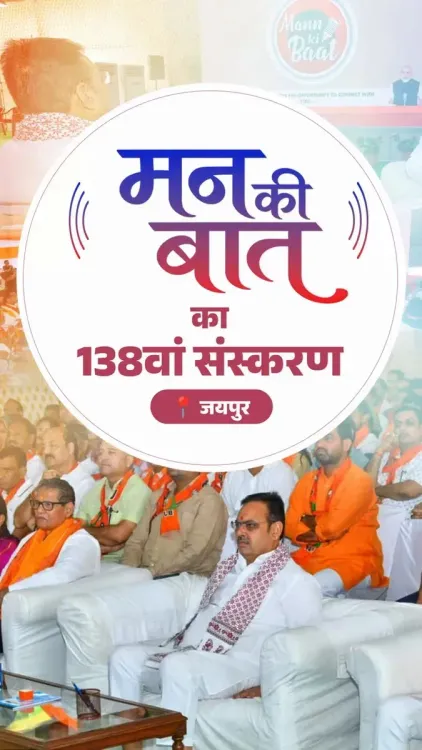
Rajasthan Chief Minister Bhajan Lal Sharma listened to the 138th episode of PM Modi's Mann Ki Baat on September 27 and immediately convened a dialogue with newly elected Nagar Nigam councillors and workers to chart a faster urban development course for Rajasthan's cities.
Key Takeaways
CM Bhajan Lal Sharma listened to the 138th episode of PM Modi's Mann Ki Baat on September 27, 2026 .
He held a post-listening meeting with newly elected Nagar Nigam councillors and party workers.
The stated aim was to accelerate urban development across Rajasthan's cities.
Mann Ki Baat has run since October 2014 as PM Modi's monthly direct-communication radio address.
BJP-ruled states routinely use Mann Ki Baat acknowledgements to signal alignment with central leadership.
The engagement with fresh councillors sets early expectations for ward-level infrastructure delivery.
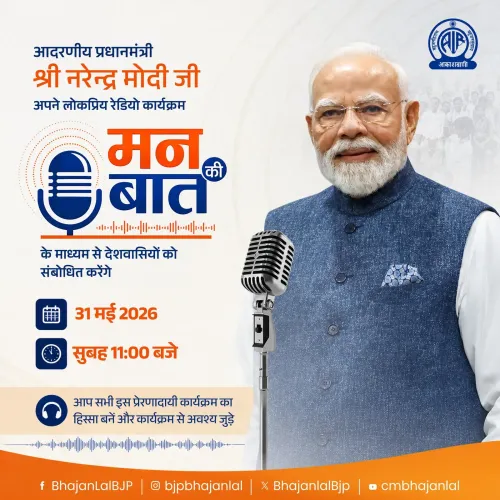
Rajasthan Chief Minister Bhajan Lal Sharma on Sunday, September 27, 2026, listened to the 138th episode of Prime Minister Narendra Modi's monthly radio address Mann Ki Baat — and then turned that energy directly toward the streets of Rajasthan's cities by sitting down with newly elected municipal councillors and party workers to map out an urban development agenda.
What CM Sharma heard — and what he did next
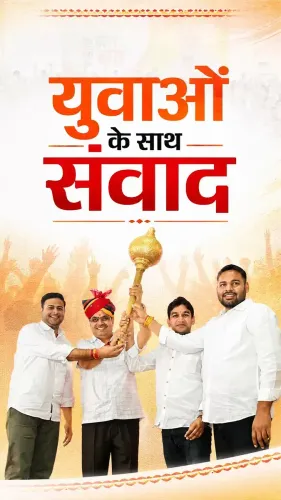
Sharma posted on X that he had listened to the 'inspiring programme Mann Ki Baat' of respected Prime Minister Shri Narendra Modi, before holding what he called an 'aatmiya samvaad' — a heartfelt dialogue — with the newly elected councillors of the Nagar Nigam and party workers. The stated goal: accelerate 'sheeron ki vikas yatra', the cities' development journey.
The sequence — national broadcast, then local ward-level meeting — is a deliberate layering of messaging. The PM speaks to the nation; the CM converts that message into a state-level action brief within hours.
Mann Ki Baat's twelve-year run as a political instrument
Mann Ki Baat was launched by Prime Minister Narendra Modi in October 2014, and has since become one of the longest-running direct-communication exercises by any Indian head of government. Broadcast on All India Radio and streamed widely, each episode typically highlights citizen initiatives, government schemes, and national themes — giving state governments both a talking-point and a cue for ground-level follow-through.
BJP-ruled states have developed a consistent pattern of publicly acknowledging each episode, with chief ministers and senior leaders posting on social media to signal alignment with central leadership. It is governance choreography as much as genuine outreach.
Newly elected councillors and the urban push
The meeting with newly elected Nagar Nigam councillors adds a concrete urban-governance dimension to what might otherwise be a routine social-media post. Municipal councillors are the first point of contact between city residents and government — handling sanitation, local roads, water supply, and ward-level infrastructure. A chief minister's early engagement with a fresh batch of councillors signals an intent to set the development tone before ward-level priorities get locked in.
For Rajasthan's cities, where urban infrastructure gaps remain a persistent challenge, the direction from Sharma to 'accelerate the development journey' will now be watched against actual project rollouts in the months ahead.
The question that lingers after every such meeting: how many of those conversations survive the translation from conference room to construction site?
Point of View
And state governments operationalise it at the ward level. It reinforces the party's organisational cohesion ahead of any potential urban-infrastructure push in Rajasthan. The real test, however, is whether these early high-level dialogues with councillors translate into measurable outcomes in city-level projects, or remain symbolic acts of alignment with central leadership.
NationPress
27 Sept 2026
Frequently Asked Questions
What is Mann Ki Baat and how often does PM Modi broadcast it?
Mann Ki Baat is a monthly radio address hosted by Prime Minister Narendra Modi, launched in October 2014. He uses it to discuss citizen welfare, government schemes, and national themes directly with the public.
Which episode of Mann Ki Baat did CM Bhajan Lal Sharma listen to?
CM Bhajan Lal Sharma listened to the 138th episode of Mann Ki Baat on September 27, 2026.
Why did CM Bhajan Lal Sharma meet Nagar Nigam councillors after Mann Ki Baat?
Sharma met newly elected Nagar Nigam councillors and party workers to discuss accelerating urban development across Rajasthan's cities, combining the momentum from the national broadcast with local governance planning.
What is Bhajan Lal Sharma's role in Rajasthan?
Bhajan Lal Sharma is the Chief Minister of Rajasthan and a senior BJP leader, serving as the head of the state government.
Why do BJP chief ministers regularly post about Mann Ki Baat on social media?
BJP-ruled state governments routinely publicly acknowledge each Mann Ki Baat episode as a way to signal alignment with Prime Minister Modi's central leadership and amplify the programme's messaging at the state level.