CM Yogi pays tribute to Ashok Singhal, calls his legacy an eternal flame
Synopsis
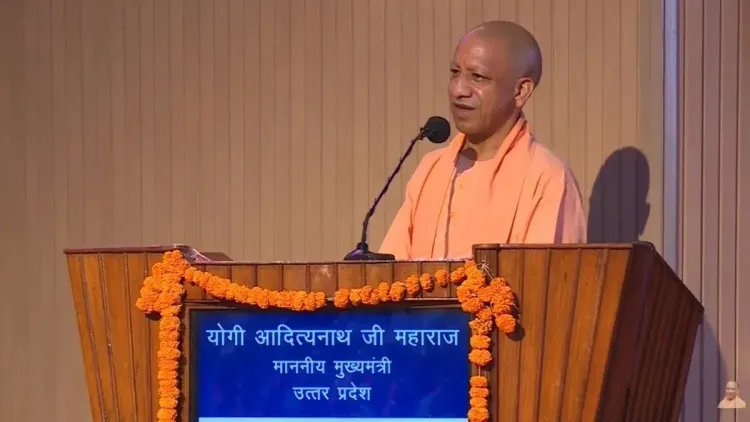
UP CM Yogi Adityanath praised VHP stalwart Ashok Singhal on X, saying the flame Singhal lit in the 1980s for the Ram Janmabhoomi cause has grown into a blaze serving Hindu society day and night.
Key Takeaways
CM Yogi Adityanath posted a tribute to Ashok Singhal on 27 September 2026 .
He described Singhal's 1980s religious mobilisation as a 'flame' that has become an 'eternal blaze' for Hindu society.
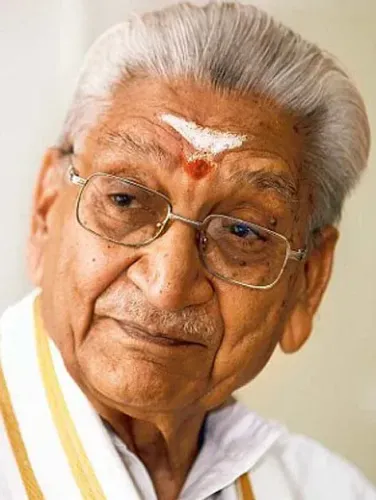
Ashok Singhal was a senior VHP leader central to the Ram Janmabhoomi campaign from the 1980s onward.
The Vishva Hindu Parishad was founded in 1964 and intensified the Ayodhya movement under leaders including Singhal.
Yogi Adityanath periodically issues such tributes, aligning with the BJP's emphasis on Hindu heritage in Uttar Pradesh.
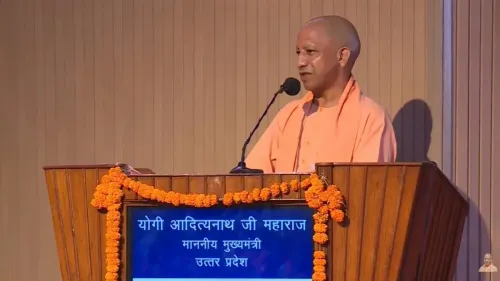
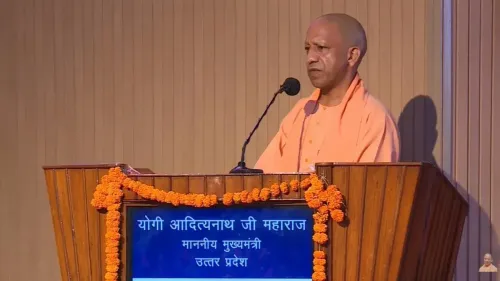
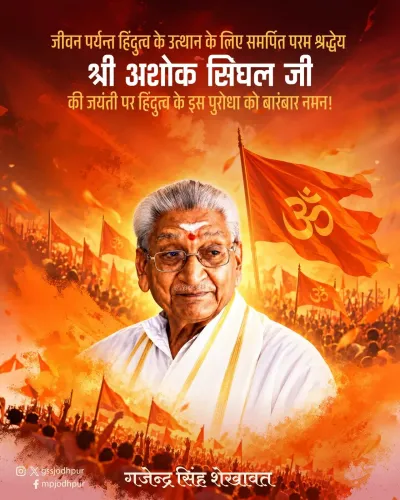
A flame lit in the 1980s has never stopped burning — that is how Uttar Pradesh Chief Minister Yogi Adityanath describes the enduring legacy of Vishva Hindu Parishad stalwart Ashok Singhal, invoking the imagery of a spark grown into a blaze still blazing in service of Hindu society.
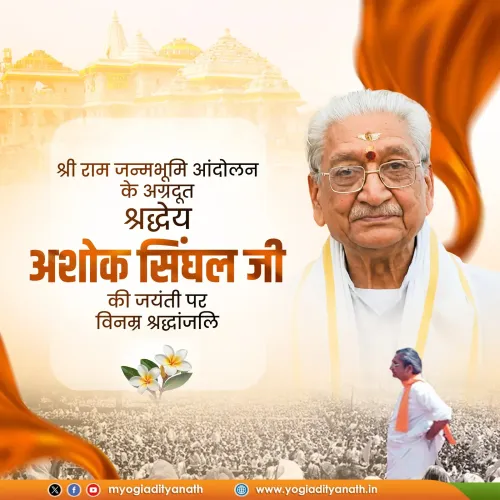
In a post on X on Sunday, 27 September 2026, CM Yogi wrote in Hindi: 'Shraddhey Ashok Singhal ji ne jis jyoti ko varsh 1980 ke dashak mein prajwalit kiya tha, vah jyoti aaj jwala bankar sakal Hindu samaj ke sanrakshan aur samvardhan ke liye aharnish lagi hui hai' — 'The flame that revered Ashok Singhal ji ignited in the decade of the 1980s has today become a blaze, tirelessly engaged, day and night, for the protection and advancement of the entire Hindu society.'
Who was Ashok Singhal and why his 1980s chapter matters
Ashok Singhal was among the most consequential leaders of the Vishva Hindu Parishad (VHP), the Hindu organisation founded in 1964 that dedicated decades to religious and cultural mobilisation across India. It was in the 1980s that Singhal emerged as a central figure in the Ram Janmabhoomi campaign, the movement demanding the construction of a Ram temple at Ayodhya — a cause that would reshape Indian politics for a generation.
The VHP's intensified campaign under leaders like Singhal drew millions of volunteers into a nationwide religious-political movement, making Ayodhya a symbol far beyond its geography. That mobilisation — street marches, brick-donation drives, mass assemblies — is what CM Yogi's metaphor of a 'flame' directly recalls.
CM Yogi's place in the Ayodhya arc
CM Yogi, himself the head of the Gorakhnath Math in Gorakhpur, has consistently marked milestones tied to the Ayodhya movement and the leaders who built it. His tribute to Singhal fits a recognisable pattern: the BJP's Uttar Pradesh leadership has made the celebration of Hindu cultural heritage and the figures associated with it a steady feature of its public communication.
For Yogi Adityanath, invoking Singhal is also a statement of lineage — placing the present administration within a longer arc of Hindu organisational history that stretches back four decades and positions the completed Ram temple in Ayodhya as the fulfilment of that arc.
The flame, in other words, is not just a tribute. It is a claim of continuity.
Point of View
Yogi implicitly presents the Ram temple's completion and his own government's policies as the living outcome of that movement. These statements also serve an intra-party function, reinforcing the BJP's bond with VHP cadres and Hindu organisations whose grassroots energy remains electorally significant in Uttar Pradesh. The consistency of such tributes signals that honouring the Ayodhya movement's founding generation is now institutionalised as a communication strategy, not an occasional gesture.
NationPress
27 Sept 2026
Frequently Asked Questions
Who was Ashok Singhal and what was his role in the Ram Janmabhoomi movement?
Ashok Singhal was a senior leader of the Vishva Hindu Parishad who played a central role in mobilising support for the Ram Janmabhoomi campaign in Ayodhya, particularly from the 1980s onward.
Why did CM Yogi Adityanath tribute Ashok Singhal?
CM Yogi Adityanath posted a tribute honouring Singhal's legacy of religious and cultural mobilisation, calling the movement he ignited in the 1980s an eternal flame still serving Hindu society today.
What is the Vishva Hindu Parishad (VHP)?
The Vishva Hindu Parishad is a Hindu organisation founded in 1964 that has focused on cultural and religious mobilisation, most notably the decades-long campaign for a Ram temple in Ayodhya.
What did CM Yogi say about Ashok Singhal on X?
CM Yogi wrote in Hindi that the flame Singhal lit in the 1980s has today become a blaze tirelessly engaged, day and night, for the protection and advancement of the entire Hindu society.
How does CM Yogi Adityanath relate to the Ayodhya movement?
As head of the Gorakhnath Math and UP Chief Minister, Yogi Adityanath has consistently honoured leaders of the Ayodhya movement and positioned his administration within that longer arc of Hindu organisational history.