CM Yogi pays tribute to Ashok Singhal, the architect of Ayodhya movement
Synopsis
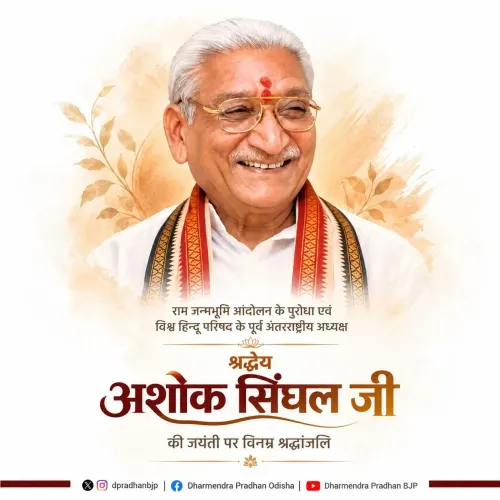
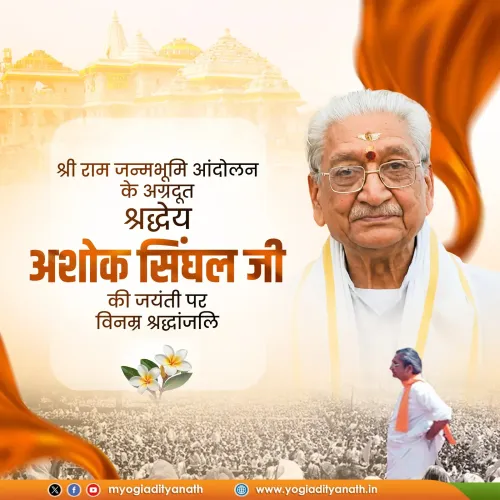
UP Chief Minister Yogi Adityanath honoured Ashok Singhal, the former VHP international president who led the Ram Janmabhoomi movement for decades, quoting a Ramcharitmanas verse that framed Singhal's lifelong activism as devotional duty with no room for rest.
Key Takeaways
CM Yogi Adityanath posted a tribute to Ashok Singhal on X on September 27, 2026 , quoting a verse from the Ramcharitmanas.
The verse — 'राम काजु कीन्हें बिनु मोहि कहाँ बिश्राम' — translates as 'Where is my rest until Ram's work is done', drawn from Hanuman's character in the text.
Ashok Singhal served as international president of the Vishva Hindu Parishad (VHP) and was the central organising figure of the Ram Janmabhoomi movement from the 1980s until his death in 2015 .
The VHP's Ram temple campaign intensified after the 1984 founding of the Ram Janmabhoomi Mukti Yagna Samiti , in which Singhal played a defining role.
Yogi regularly honours VHP and RSS-linked figures who drove the Ayodhya cause — a pattern reinforced since the 2019 Supreme Court verdict and the 2024 temple consecration .
Singhal passed away in 2015 , a decade before seeing the completed temple that defined his life's work.
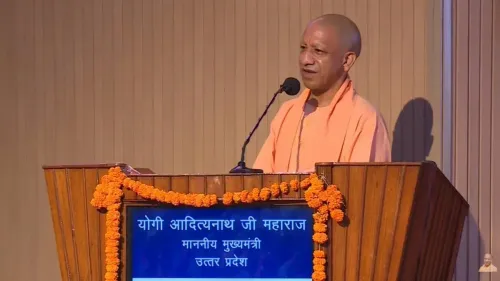
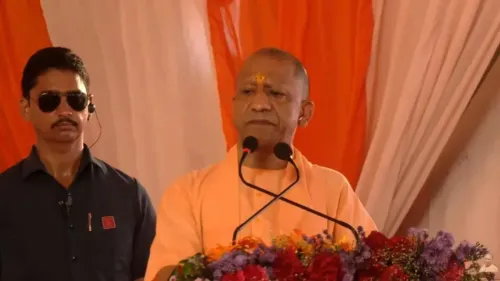
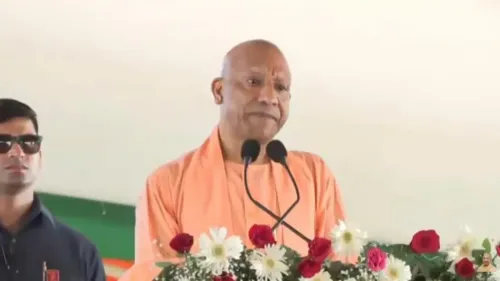
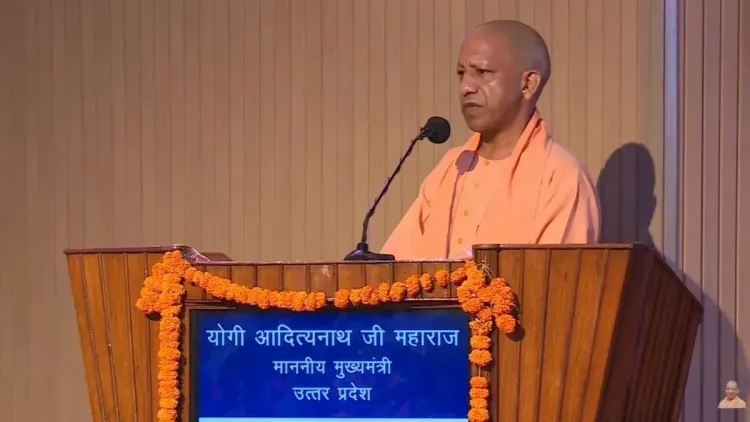
A single line from the Ramcharitmanas — 'राम काजु कीन्हें बिनु मोहि कहाँ बिश्राम' ('Where is my rest until Ram's work is done') — is how Uttar Pradesh Chief Minister Yogi Adityanath chose to sum up a lifetime of activism by Ashok Singhal, the towering former international president of the Vishva Hindu Parishad (VHP). In a post on X on Sunday, September 27, 2026, the Chief Minister offered a tribute framed not in political rhetoric, but in devotional verse.
Who was Ashok Singhal — and why the Ramcharitmanas verse fits
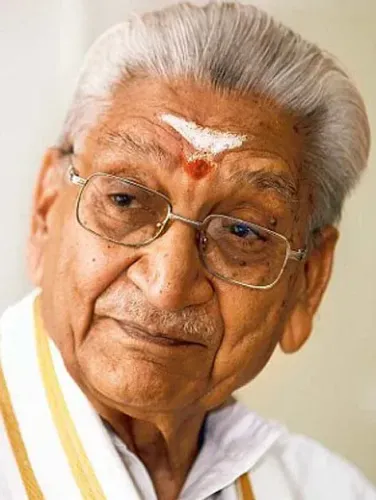
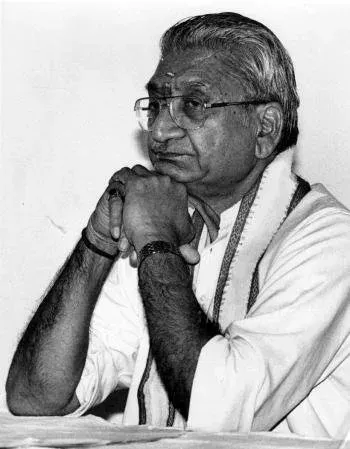
Ashok Singhal spent decades as the most recognisable face of the campaign to build a Ram temple at Ayodhya. As international president of the VHP, he was the organisational engine behind one of independent India's most consequential social mobilisations, driving mass awareness campaigns, shila pujans (brick consecration ceremonies), and national marches that brought the Ayodhya question to the centre of Indian political life from the 1980s onward.
The VHP's structured campaign intensified after the 1984 founding of the Ram Janmabhoomi Mukti Yagna Samiti, a body specifically convened to pursue the temple's construction. Singhal, more than any other individual, gave that body its national reach and its emotional charge. He passed away in 2015, a decade before the 2024 consecration of the Ram temple in Ayodhya — the moment his movement had worked toward for nearly four decades.
The verse CM Yogi selected is from Tulsidas's Ramcharitmanas, spoken by Hanuman — a character defined entirely by selfless, ceaseless service to Ram's cause. The choice is deliberate: it positions Singhal's activism not as politics, but as a form of devotion that permitted no personal rest until the larger purpose was fulfilled.
Yogi's pattern of honouring the ideological lineage of Ayodhya
CM Yogi Adityanath has consistently used public platforms to honour figures from the VHP and RSS ecosystem who drove the Ayodhya movement — a practice that has grown more visible since the Supreme Court's 2019 verdict paved the way for the temple and the January 2024 consecration ceremony gave it a physical reality. Each tribute functions as a thread connecting the present temple to the long chain of people who pushed for it.
For Yogi — himself head of the Gorakhnath Math in Gorakhpur and a lifelong figure in the Hindu religious establishment — these are not ceremonial gestures. They are affirmations of a shared ideological genealogy that runs from the VHP mobilisations of the 1980s through the courtroom battles of the 1990s and 2000s, and lands at the sanctified ground of the completed temple.
Singhal did not live to see the verdict or the consecration. Yogi's verse, in that light, carries a quiet poignancy: the man who refused rest is being remembered by a Chief Minister who inherited the completed work.
Point of View
Yogi elevates the tribute above partisan messaging and into the register of devotion, making it harder to contest. The move also reinforces Yogi's own identity as simultaneously a political executive and a religious figure — the two roles reinforcing rather than contradicting each other. As India's largest Hindu nationalist project moves from agitation to institution, figures like Singhal are being consecrated alongside the temple itself.
NationPress
27 Sept 2026
Frequently Asked Questions
Who was Ashok Singhal?
Ashok Singhal was the former international president of the Vishva Hindu Parishad (VHP) and the principal organiser of the Ram Janmabhoomi movement that campaigned for a Ram temple in Ayodhya from the 1980s. He passed away in 2015 .
Why did CM Yogi quote a Ramcharitmanas verse in his tribute to Singhal?
The verse — 'Where is my rest until Ram's work is done' — is spoken by Hanuman in Tulsidas's Ramcharitmanas and captures selfless, ceaseless service. CM Yogi Adityanath used it to frame Singhal's decades of activism as devotional duty rather than political ambition.
What role did Ashok Singhal play in the Ayodhya temple movement?
Ashok Singhal was the chief organising force behind the VHP 's Ram Janmabhoomi campaign, which gained momentum after the 1984 founding of the Ram Janmabhoomi Mukti Yagna Samiti . He led nationwide mobilisations, brick-consecration drives, and marches that made Ayodhya a defining national question.
Did Ashok Singhal live to see the Ram temple built in Ayodhya?
No. Ashok Singhal died in 2015 , several years before the Supreme Court's 2019 verdict cleared the way for construction and the January 2024 consecration ceremony marked the temple's completion.
Why does CM Yogi regularly pay tribute to VHP and RSS figures linked to Ayodhya?
CM Yogi Adityanath has consistently honoured figures from the ideological ecosystem that drove the Ayodhya campaign, framing the completed temple as the culmination of their collective effort. Tributes to leaders like Ashok Singhal connect the present moment to that long historical arc.