CM Yogi honours Ashok Singhal at centenary launch in Lucknow
Synopsis
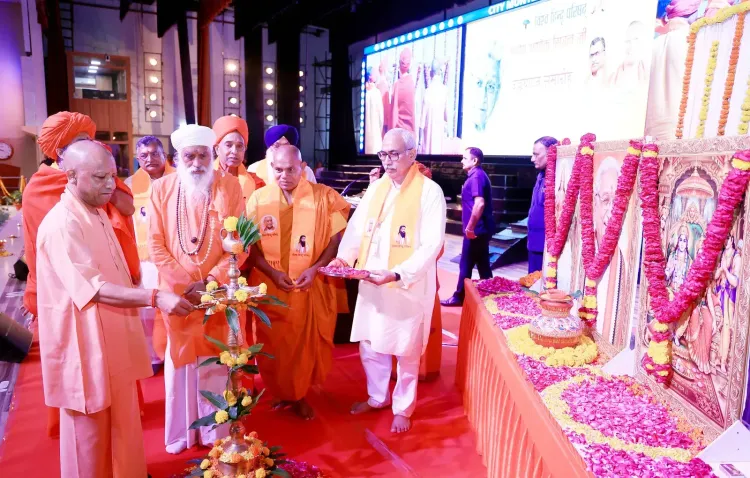
Uttar Pradesh CM Yogi Adityanath joined saints, religious scholars, and VHP office-bearers in Lucknow on 27 September 2026 for the inauguration of the birth centenary year of Ashok Singhal, former VHP international president and chief organiser of the Ram Janmabhoomi movement.
Key Takeaways
CM Yogi Adityanath attended the inauguration of Ashok Singhal's birth centenary year (1926–2026) in Lucknow on 27 September 2026 .
Ashok Singhal was the former international president of the Vishva Hindu Parishad and a central organiser of the Ram Janmabhoomi agitation from the early 1980s.
CM Yogi recalled personally participating in the Ram Temple movement under Singhal's leadership.
The event gathered senior saints, dharmacharyas , VHP officials, and representatives of cultural organisations.
Yogi connected Singhal's legacy directly to the Ram Mandir at Ayodhya , now built after the 2019 Supreme Court verdict .
VHP has centenary programmes planned across 2026 , with state-level participation expected to continue.
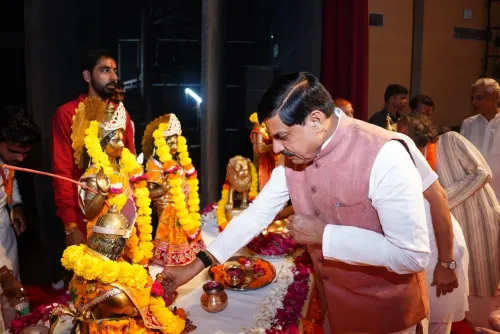
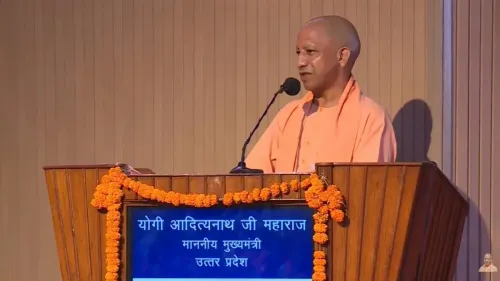
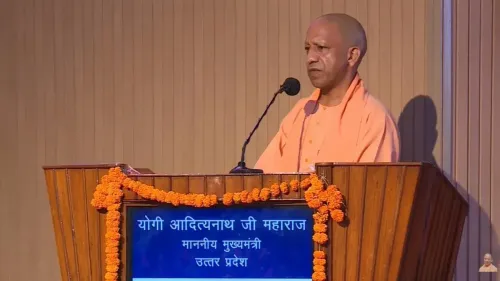
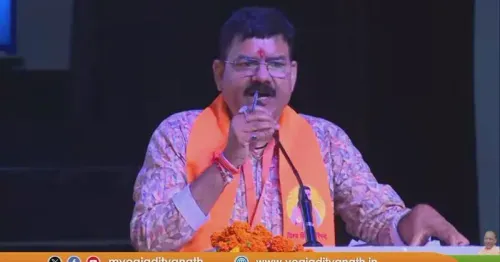
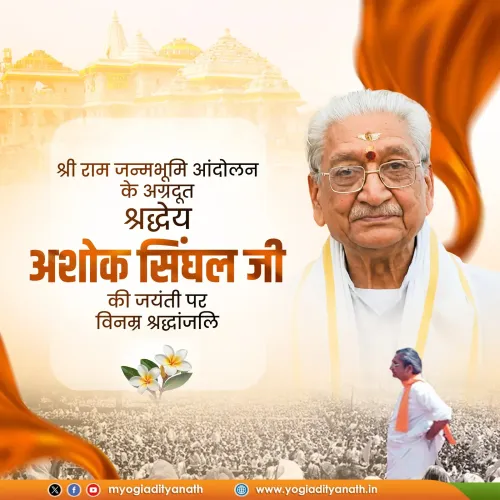
A century after his birth, the man who turned a religious aspiration into a mass movement is being remembered — and Uttar Pradesh Chief Minister Yogi Adityanath made sure the state's highest office was present to mark the moment. On Sunday, 27 September 2026, CM Yogi attended the inauguration ceremony of the birth centenary year of Ashok Singhal (1926–2026), former international president of the Vishva Hindu Parishad (VHP) and the foremost organiser of the Shri Ram Janmabhoomi movement, at an event held in Lucknow.
From agitation to Ayodhya — a movement's full arc
CM Yogi, posting in Hindi on X, recalled his own participation in the Ram Temple movement under Singhal's leadership: 'श्रद्धेय अशोक जी के सान्निध्य में हम लोगों ने श्री राम मंदिर आंदोलन में बढ़-चढ़कर भाग लिया था' — ('In the company of revered Ashok Ji, we participated actively in the Shri Ram Mandir movement'). He noted that what was once a dream now stands as the 'grand Shri Ram Mandir at Shri Ayodhya Dham.'
The reference is to the Ayodhya temple whose construction followed the 2019 Supreme Court verdict that settled decades of legal dispute over the birthplace of Lord Ram. Singhal, who died in 2015, did not live to see the temple rise — but the movement he shaped across four decades made its construction politically and legally possible.
Who was Ashok Singhal — and why the centenary matters
Ashok Singhal joined the VHP in its early years after the organisation was founded in 1964 and went on to become its international president. From the early 1980s onward, he was the central organiser of the Ram Janmabhoomi agitation, coordinating kar sevaks (volunteer workers), religious leaders, and political allies across the country. His ability to bridge the VHP's religious constituency with broader Hindu nationalist politics made him one of the most consequential figures in modern Hindutva mobilisation.
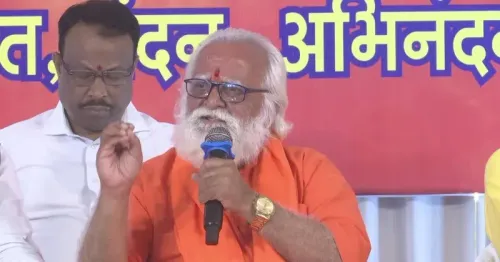
The Lucknow event brought together VHP office-bearers, senior dharmacharyas (religious scholars), revered saints, and representatives of various cultural organisations — a cross-section that underlines how the centenary is being framed not just as an organisational milestone but as a cultural moment for a wide spectrum of Hindu institutions.
State prestige lent to a centenary year of events
By attending the inauguration ceremony personally and extending what he called 'hardik abhinandan' (heartfelt congratulations) to VHP for organising the event, CM Yogi has effectively lent the weight of the Uttar Pradesh government to a commemoration that will span the full centenary year. The VHP has additional programmes planned across 2026, and UP's state machinery — which already oversees the ongoing development of Ayodhya as a pilgrimage and tourism hub — is likely to remain an active participant.
Singhal's memory sits at the intersection of religious sentiment and political identity for a large section of North India's electorate. Marking his centenary publicly, in Lucknow, with saints and cultural bodies in attendance, keeps that intersection visible — and reminds a core constituency that the temple they prayed for now stands.
The kicker is almost architectural: the man who organised the movement never saw the temple; the Chief Minister who once marched in that movement now governs the state that built it.
Point of View
Yogi positions himself not merely as an administrator of Ayodhya's transformation but as a living link in that movement's chain. The centenary year gives the VHP — and by extension the broader Hindutva ecosystem — a twelve-month platform to consolidate its narrative around the temple as a civilisational achievement. For Yogi, who must contest another assembly election cycle, keeping that narrative warm and state-sponsored costs little and yields a great deal.
NationPress
27 Sept 2026
Frequently Asked Questions
Who was Ashok Singhal and why is his centenary being celebrated?
Ashok Singhal (1926–2015) was the former international president of the Vishva Hindu Parishad and the leading organiser of the Ram Janmabhoomi movement from the 1980s. His birth centenary year, running through 2026, is being marked by VHP and allied organisations to honour his role in the campaign that eventually led to the construction of the Ram Mandir in Ayodhya.
What event did CM Yogi Adityanath attend in Lucknow on 27 September 2026?
CM Yogi Adityanath attended the inauguration ceremony of Ashok Singhal's birth centenary year in Lucknow, joining senior saints, religious scholars, VHP office-bearers, and cultural organisation representatives.
What is the Vishva Hindu Parishad (VHP)?
The Vishva Hindu Parishad is a Hindu nationalist organisation founded in 1964. It was the principal organisational force behind the Ram Janmabhoomi agitation and remains active in religious and cultural mobilisation across India.
What is the connection between Ashok Singhal and the Ayodhya Ram Mandir?
Ashok Singhal was the chief organiser of the Ram Janmabhoomi movement that campaigned for decades to build a temple at Lord Ram's birthplace in Ayodhya. The 2019 Supreme Court verdict paved the way for construction, though Singhal died in 2015 and did not live to see the temple completed.
Will UP government participate in VHP centenary programmes through 2026?
CM Yogi's personal attendance at the Lucknow inauguration signals state-level engagement with VHP's centenary calendar. Additional programmes are planned by VHP across 2026, and given the government's ongoing involvement in Ayodhya's development, further state participation is expected.