CM Bhajanlal Launches ₹1,186 Cr Projects in Bharatpur
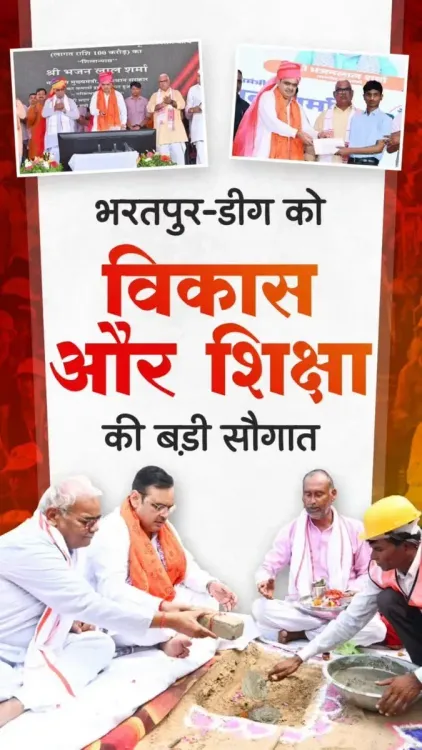
Synopsis
Rajasthan CM Bhajanlal Sharma inaugurated ₹1,186 crore in development works for Bharatpur and Deeg on Guru Purnima, pushed ₹250 crore in uniform allowances to over 40 lakh students via DBT, launched the Reading Promotion Campaign-2026 under Mission Padho Rajasthan, and distributed tablets to visually impaired students.
Key Takeaways
₹1,186 crore in development works inaugurated and foundation stones laid across Bharatpur and Deeg districts. ₹691 crore of the total outlay directed specifically at education department projects. ₹250 crore in uniform allowance transferred via DBT to over 40 lakh student bank accounts in a single event.
Reading Promotion Campaign-2026 launched under the Mission Padho Rajasthan literacy initiative.
Tablets distributed to visually impaired students ; outstanding teachers felicitated on Guru Purnima .
The event was held at Khedli Gurjar in Bharatpur district on 30 July 2026 .
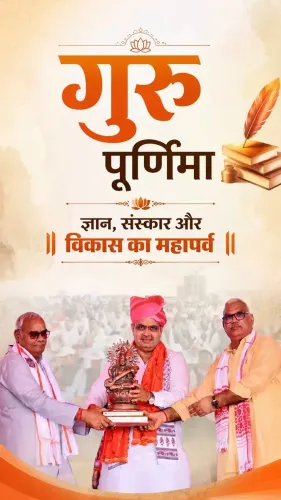
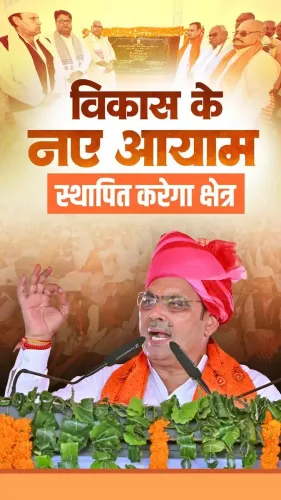
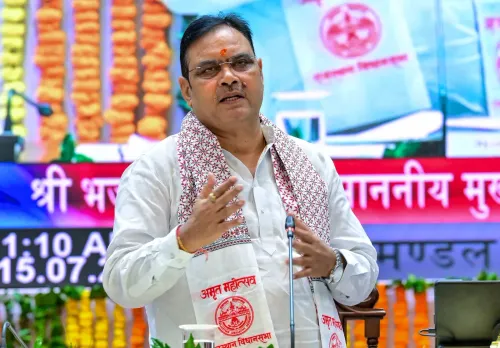
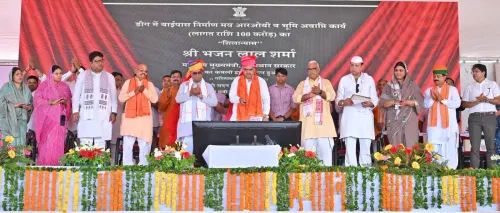
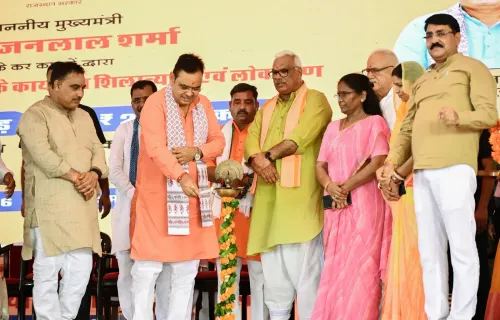
On the auspicious occasion of Guru Purnima, Rajasthan Chief Minister Bhajanlal Sharma turned the eastern district of Bharatpur into a launchpad — inaugurating and laying the foundation stone for development works worth ₹1,186 crore across Bharatpur and Deeg districts from Khedli Gurjar on Thursday, 10 July 2026. The day was deliberately chosen: a festival honouring teachers, used to anchor the state's single largest education spending push of the year.
₹691 Crore for Schools — and Cash in 40 Lakh Accounts
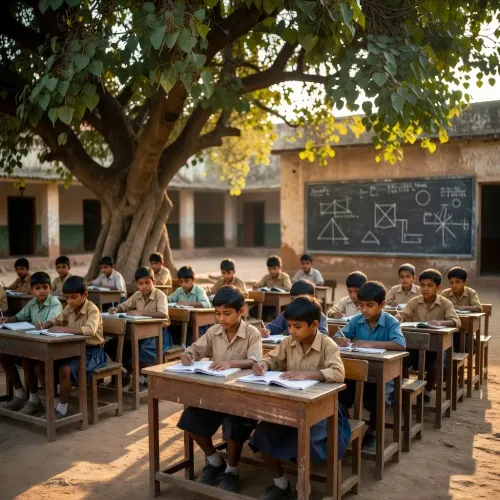
Of the total outlay, ₹691 crore was directed exclusively at education department works — infrastructure upgrades, new constructions, and facility improvements across the two districts. Simultaneously, the Chief Minister initiated a direct transfer of ₹250 crore in uniform allowance (poshak rashi) to the bank accounts of more than 40 lakh students via the Direct Benefit Transfer (DBT) mechanism. No middlemen, no delays — the money moved in real time.
The DBT framework, adopted nationally from 2013 onwards and integrated into Rajasthan's welfare architecture over the following decade, has become the state's preferred channel for student support. Pushing ₹250 crore through it in a single event signals both the scale of the programme and the administration's confidence in the pipeline.
'Mission Padho Rajasthan' and the Reading Push of 2026
Sharma also launched the Reading Promotion Campaign-2026 under the state's flagship literacy drive, Mission Padho Rajasthan — a scheme designed to lift school-level reading outcomes across the state. The campaign targets measurable improvements in foundational literacy, a challenge that has persisted across successive Rajasthan governments. Whether the 2026 campaign delivers verifiable coverage data will be the metric to watch.
Tablets for Visually Impaired Students, Honours for Teachers
In keeping with the Guru Purnima spirit, the event went beyond rupees and concrete. Sharma distributed tablets to visually impaired students — a targeted assistive-technology push that rarely makes headline budgets but carries outsized impact for its beneficiaries. Outstanding teachers were formally felicitated, closing a ceremony that was as much about recognition as it was about expenditure.
Rajasthan administrations have a documented pattern of bundling capital infrastructure with recurring student-support mechanisms in the state's eastern districts — but the scale here, nearly ₹1,200 crore across two districts in a single sitting, is notable even by that standard. The real test arrives when construction timelines and DBT audit trails are published.
Point of View
Rather than headline launches, will determine whether this day is remembered as policy or performance.
NationPress
13 Sept 2026
Frequently Asked Questions
What projects did CM Bhajanlal Sharma launch in Bharatpur on Guru Purnima 2026?
CM Bhajanlal Sharma inaugurated and laid foundation stones for development works worth ₹1,186 crore across Bharatpur and Deeg districts, including ₹691 crore in education department projects, from Khedli Gurjar on 30 July 2026.
How much money was transferred to Rajasthan students via DBT on 30 July 2026?
₹250 crore in uniform allowance (poshak rashi) was transferred directly to the bank accounts of more than 40 lakh students via the Direct Benefit Transfer mechanism.
What is Mission Padho Rajasthan?
Mission Padho Rajasthan is a state-level education initiative focused on improving literacy and reading outcomes at the school level. CM Sharma launched its Reading Promotion Campaign-2026 on Guru Purnima.
Why did CM Bhajanlal choose Guru Purnima for this education event?
Guru Purnima is traditionally dedicated to honouring teachers and gurus, making it a symbolically fitting occasion to announce education spending, felicitate outstanding teachers, and launch a literacy campaign.
What was distributed to visually impaired students at the Bharatpur event?
Tablets were distributed to visually impaired students as part of an assistive-technology initiative announced during the Guru Purnima event in Khedli Gurjar, Bharatpur.