CM Bhajanlal Reviews Bharatpur's Water, Power and Heritage Plans
Synopsis
Chief Minister Bhajanlal Sharma reviewed civic services and development works in Bharatpur on 25 May 2026, directing officials to secure drinking water, power and healthcare during the summer heat while reviving ancient kunds and resolving chronic waterlogging under the Vande Ganga campaign.
Key Takeaways
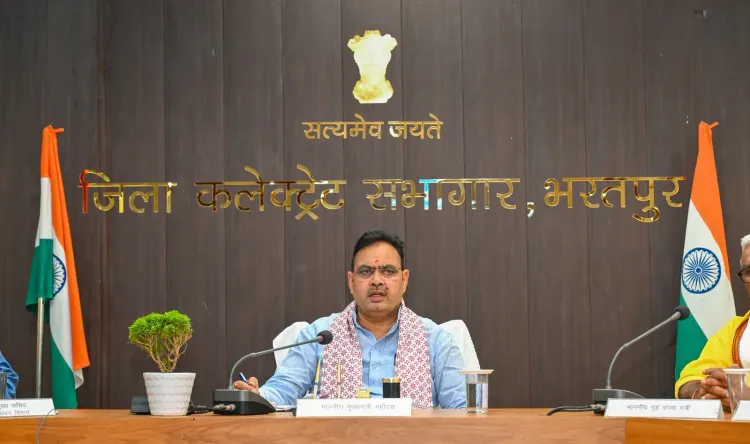
CM Bhajanlal Sharma chaired a district-level review meeting in Bharatpur on 25 May 2026 .
Officials were directed to ensure uninterrupted drinking water, electricity and medical services during peak summer heat.
A permanent action plan for resolving Bharatpur's chronic waterlogging problem was ordered.
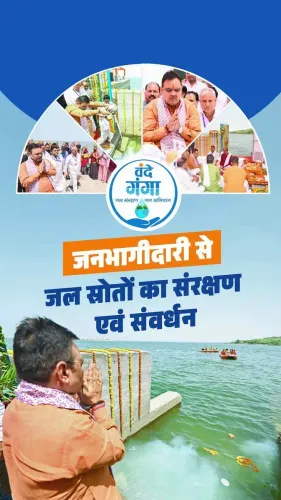
Revival of ancient kunds and restoration of water structures under the Vande Ganga Jal Sanrakshan-Jan Abhiyan were specifically mandated.
The CM called for preservation of Bharatpur's historical heritage alongside ongoing development works.
Officials were instructed to increase field visits and work with team spirit to improve public service delivery.
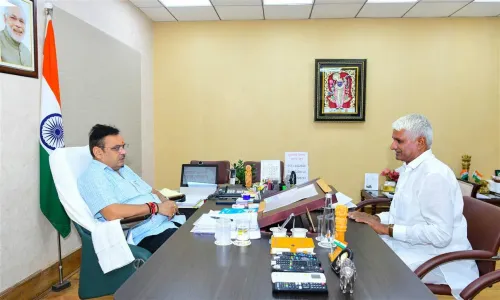
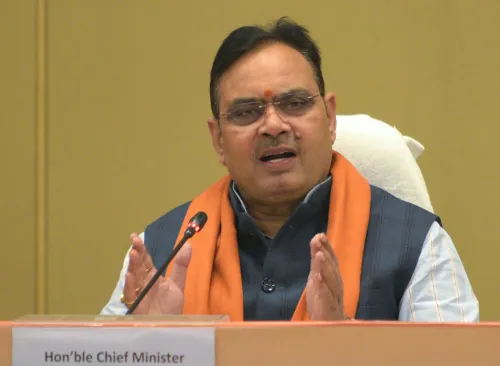
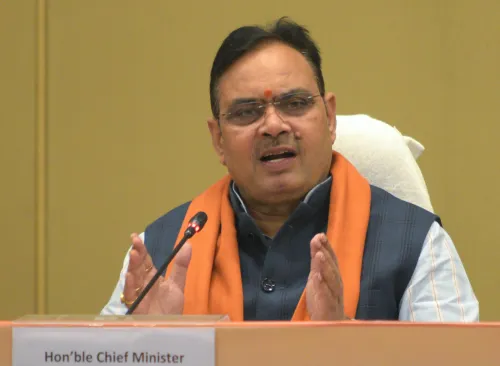
The Chief Minister's Office of Rajasthan announced on Monday, 25 May 2026 that Chief Minister Bhajanlal Sharma chaired a district-level review meeting in Bharatpur, assessing the state of development works, drinking water supply, electricity, healthcare, and waterlogging — with a special emphasis on ensuring uninterrupted civic services during the peak summer season.
What the CM Directed
Sharma instructed district officials to guarantee uninterrupted drinking water, electricity and medical facilities to residents during the ongoing severe heat. He underlined that development work must proceed in tandem with the preservation of Bharatpur's historical heritage — a district renowned for its Mughal-era palaces, ancient water bodies, and the Keoladeo National Park UNESCO World Heritage Site.
The Chief Minister also directed officials to prepare a permanent action plan to resolve the district's chronic waterlogging problem, and to intensify field visits to monitor on-ground conditions. He called for टीम भावना (team spirit) among officers, urging them to work collectively to deliver better services to ordinary citizens.
Context: Ancient Kunds and Vande Ganga Campaign
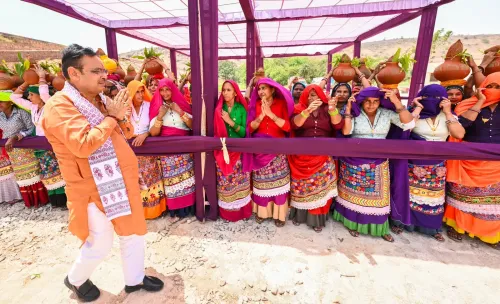
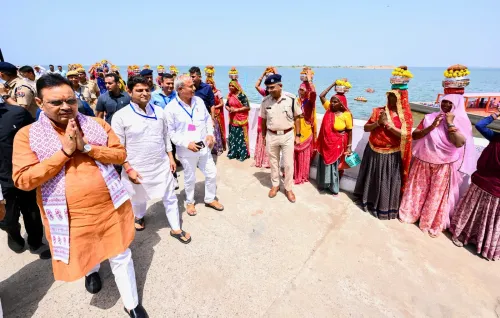
A key directive from the meeting was the revival of ancient kunds — traditional stepped water reservoirs that have historically served Bharatpur's communities — alongside the restoration of water structures under the Vande Ganga Jal Sanrakshan-Jan Abhiyan, the state government's flagship public-participation campaign for water-body conservation. The campaign mobilises community involvement to restore tanks, ponds, and other local water infrastructure across Rajasthan.
Bharatpur, situated in eastern Rajasthan, faces a dual seasonal challenge: acute drinking water scarcity in summer and recurring waterlogging during the monsoon. The district's dense network of historic water bodies makes their revival both a civic necessity and a heritage imperative.
Policy Backdrop
Rajasthan has a long tradition of state-led water conservation drives. The Mukhya Mantri Jal Swavalamban Abhiyan, launched in 2016, set a precedent for building local harvesting structures through community and government partnerships. The current Vande Ganga campaign continues this lineage, expanding its scope to include the rejuvenation of derelict heritage water structures.
Chief Minister Bhajanlal Sharma, who took office in December 2023 following the BJP's assembly election victory, has prioritised district-level governance reviews as a mechanism for direct accountability, directing field officers to translate policy mandates into measurable local outcomes.
Stakeholders and Impact
The immediate beneficiaries are Bharatpur's residents, who face power cuts and water shortages during May–June temperatures that regularly exceed 44°C in eastern Rajasthan. District officials have been put on notice to ensure service continuity without gaps.
Heritage conservationists and tourism stakeholders also stand to benefit from the directive on protecting Bharatpur's historical assets, which draw visitors to sites including the Lohagarh Fort and the bird sanctuary. Revival of ancient kunds could simultaneously ease groundwater stress and restore civic green spaces.
What's Next
The administration is expected to submit a permanent waterlogging action plan for Bharatpur, with field-visit reports under the Vande Ganga campaign serving as a monitoring tool. Progress on ancient kund restoration will be a key indicator of whether the district can structurally address its water vulnerabilities before the 2026 monsoon season. The review meeting signals that district-level accountability will remain central to the state government's governance approach through the summer months.
Point of View
Power, health — to heritage conservation and the Vande Ganga campaign in a single directive, the CM is signalling that governance and cultural identity are not competing priorities in BJP-ruled Rajasthan. The focus on permanent waterlogging solutions, rather than seasonal fixes, suggests a shift toward structural infrastructure investment in eastern districts that have historically received less attention than Jaipur's urban core. Whether district officials can translate these directives into measurable outcomes before the monsoon arrives will be the real test of this governance model.
NationPress
9 Oct 2026
Frequently Asked Questions
What did CM Bhajanlal Sharma review in Bharatpur?
CM Bhajanlal Sharma reviewed development works, drinking water supply, electricity, healthcare facilities and waterlogging issues at a district-level officers' meeting in Bharatpur on 25 May 2026.
What is the Vande Ganga Jal Sanrakshan-Jan Abhiyan?
The Vande Ganga Jal Sanrakshan-Jan Abhiyan is a Rajasthan state campaign that mobilises public participation in restoring and conserving water bodies such as ponds, tanks and traditional kunds across the state.
What is the waterlogging problem in Bharatpur?
Bharatpur in eastern Rajasthan faces recurring waterlogging during the monsoon season due to inadequate drainage infrastructure. CM Sharma has directed officials to prepare a permanent action plan to resolve the issue.
What are ancient kunds and why is their revival important?
Kunds are traditional stepped water reservoirs historically used for drinking water and groundwater recharge. Their revival in Bharatpur is intended to ease summer water scarcity and restore heritage water infrastructure.
Why is Bharatpur significant for heritage conservation in Rajasthan?
Bharatpur is home to the Keoladeo National Park, a UNESCO World Heritage Site, as well as the Lohagarh Fort and Mughal-era palaces and water bodies, making heritage preservation a key concern alongside modern development.