CM Bhajan Lal launches Vande Ganga water conservation drive
Synopsis
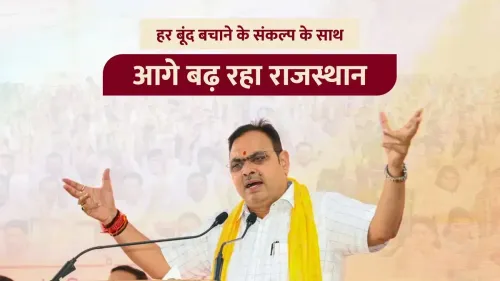
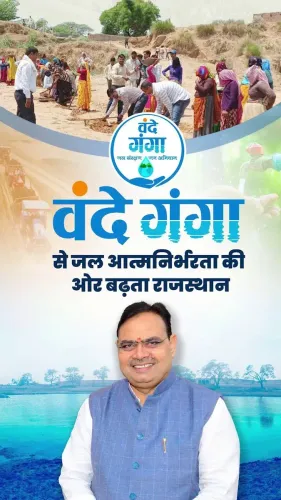
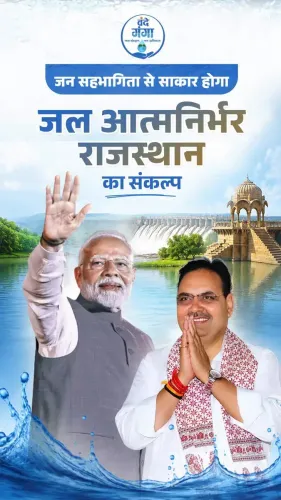
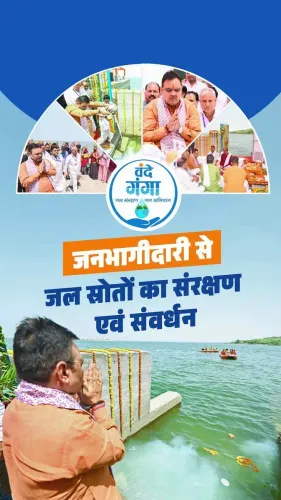
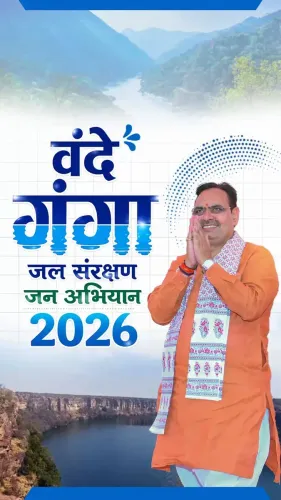
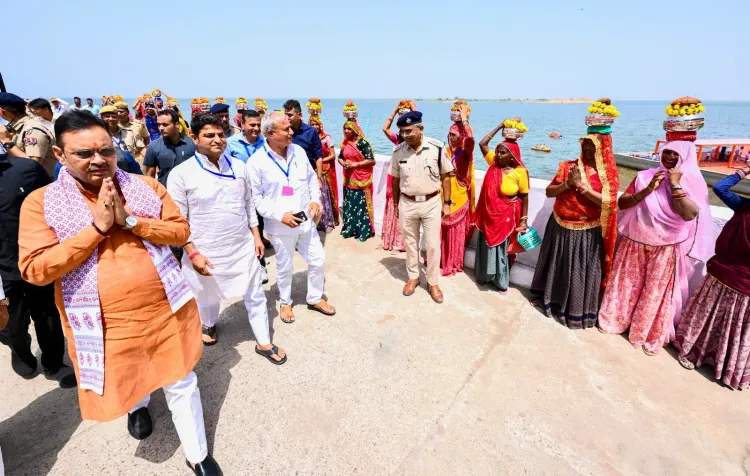
Rajasthan Chief Minister Bhajan Lal Sharma launched the Vande Ganga Jal Sanrakshan Jan Abhiyan at Bisalpur Dam on Ganga Dussehra, calling for mass citizen participation in water conservation and directing officials to ensure quality and timely implementation of water management works.
Key Takeaways
Vande Ganga Jal Sanrakshan Jan Abhiyan was officially launched by CM Bhajan Lal Sharma on 25 May 2026 .
The launch took place at the Shri Mahadev Temple at Bisalpur Dam , Tonk district , on the occasion of Ganga Dussehra .
Sharma reviewed progress of water conservation works and directed officials to ensure quality, timeliness, and effective implementation.
The campaign is framed as a jan andolan (people's movement) focused on environmental protection, water augmentation, and public participation.
Bisalpur Dam is the primary drinking water source for Jaipur and surrounding towns, underscoring the strategic significance of the launch site.
The drive builds on a policy lineage that includes the state's Mukhya Mantri Jal Swavalamban Abhiyan (2016) and the Union government's Jal Shakti Abhiyan (2019).
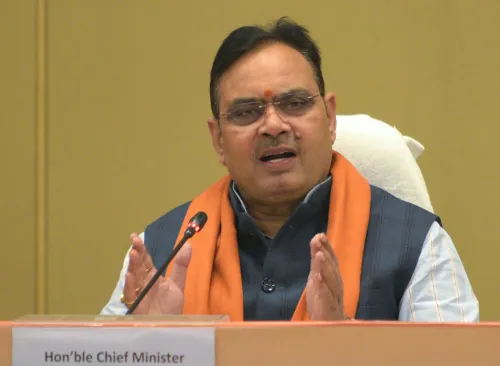
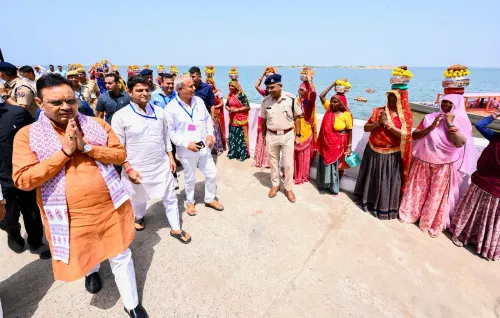
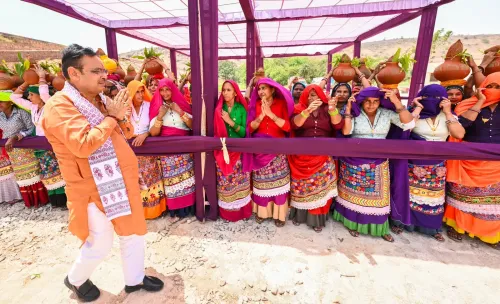
Rajasthan Chief Minister Bhajan Lal Sharma launched the Vande Ganga Jal Sanrakshan Jan Abhiyan on Monday, 25 May 2026, offering prayers at the Shri Mahadev Temple at Bisalpur Dam in Tonk district on the occasion of Ganga Dussehra. The state-wide public campaign is dedicated to water conservation, environmental protection, and citizen participation. Sharma also reviewed the progress of ongoing water conservation and management works at the site and directed officials to ensure quality, timely execution, and effective implementation.
Context
Posting in Hindi on X, CM Sharma wrote: 'Jal hai toh kal hai' — 'If there is water, there is tomorrow' — calling on every citizen to understand the importance of each drop of water and make conservation a collective resolve. He described the Vande Ganga Jal Sanrakshan Jan Abhiyan as 'an important people's movement dedicated to environmental protection, water augmentation, and public participation.' The launch was timed to coincide with Ganga Dussehra, the Hindu festival marking the descent of the Ganga river to earth, which carries deep cultural resonance around water reverence.
Policy Backdrop
Rajasthan has historically been among India's most water-stressed states, facing persistent groundwater depletion and erratic monsoon patterns across its arid and semi-arid regions. Successive state governments have anchored conservation campaigns to cultural occasions to maximise public outreach, a pattern that continued with the Congress-era Mukhya Mantri Jal Swavalamban Abhiyan launched in 2016, which built thousands of water harvesting structures through community involvement. At the national level, the Union government's Jal Shakti Abhiyan, initiated in 2019, laid a framework for rainwater harvesting and groundwater recharge that state campaigns like this one are designed to complement.
Bisalpur Dam, the site of Monday's launch, is itself a symbol of Rajasthan's water dependence — the reservoir in Tonk district has been the primary drinking water source for Jaipur and several other towns since the 1990s, making it a politically and practically significant venue for a water conservation announcement.
Stakeholders and Impact
The campaign's stated focus on jan bhagidari (public participation) means its most direct beneficiaries are farmers and rural households who depend on groundwater and surface water bodies that have faced declining levels. If district-level implementation follows the model of earlier drives, communities could see new check dams, farm ponds, and recharge structures. CM Sharma used the occasion to direct officials to maintain quality standards and adhere to timelines — a signal that the government intends active monitoring of field execution rather than a purely symbolic rollout.
What's Next
Attention will now turn to how the Vande Ganga Jal Sanrakshan Jan Abhiyan is operationalised at the district level — specifically whether formal cabinet approvals, dedicated budget allocations, or measurable targets are announced in the coming weeks. The campaign's longevity and scale will be tested against Rajasthan's approaching monsoon season, when water harvesting infrastructure must be ready to capture rainfall effectively. Any formal convergence with central Jal Shakti funding would significantly expand the campaign's reach and resources.
Point of View
Linking BJP governance to both religious sentiment and practical water security. The emphasis on 'jan bhagidari' echoes a well-worn template in Indian water policy where mass mobilisation supplements infrastructure investment, but the real test will be whether district-level targets and budgets follow. With Rajasthan heading into a critical monsoon season, the timing also serves a functional purpose: priming communities and officials to maximise rainwater capture. The campaign fits a broader BJP pattern of branding state welfare drives with patriotic or culturally resonant names to build political ownership.
NationPress
23 Sept 2026
Frequently Asked Questions
What is the Vande Ganga Jal Sanrakshan Jan Abhiyan?
The Vande Ganga Jal Sanrakshan Jan Abhiyan is a Rajasthan state government public campaign launched by Chief Minister Bhajan Lal Sharma on 25 May 2026, aimed at water conservation, environmental protection, and encouraging citizen participation in water management across the state.
Where was the Vande Ganga campaign launched?
The campaign was launched at the Shri Mahadev Temple located at Bisalpur Dam in Tonk district, Rajasthan, on the occasion of Ganga Dussehra.
What is Bisalpur Dam and why is it significant?
Bisalpur Dam is a major multi-purpose reservoir in Tonk district, Rajasthan, and has been the primary drinking water source for Jaipur and several surrounding towns since the 1990s, making it a key symbol of the state's water security.
What did CM Bhajan Lal Sharma instruct officials at the event?
CM Sharma directed officials responsible for water conservation and management works to ensure quality standards, timely completion, and effective on-ground implementation of all related projects.
How does the Vande Ganga campaign relate to earlier water conservation schemes in Rajasthan?
The campaign follows a policy lineage that includes Rajasthan's Mukhya Mantri Jal Swavalamban Abhiyan from 2016, which built water harvesting structures through community participation, and aligns with the Union government's Jal Shakti Abhiyan launched in 2019 for nationwide water conservation.