CM Bhajanlal Launches Vande Ganga Water Drive from Bisalpur Dam
Synopsis
Chief Minister Bhajanlal Sharma launched the 'Vande Ganga Jal Sanrakshan Jan Abhiyan' from Bisalpur Dam in Tonk on Ganga Dashami, performed jal pujan with Vedic chanting, and conducted an aerial survey of Isarda Dam to review progress on the Ramjal Setu Link Project.
Key Takeaways
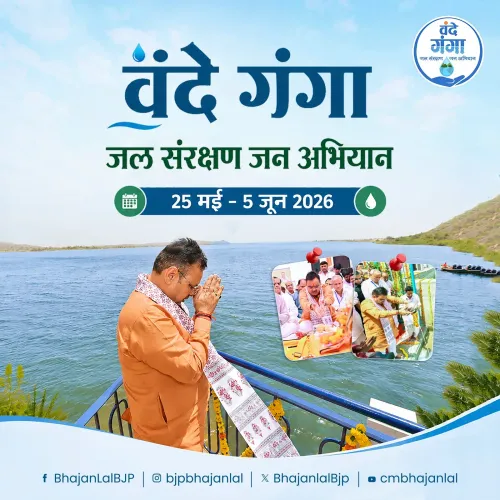
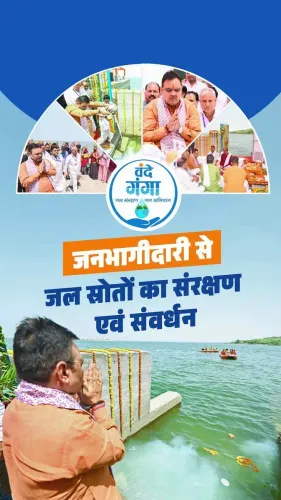
CM Bhajanlal Sharma launched the Vande Ganga Jal Sanrakshan Jan Abhiyan from Bisalpur Dam, Tonk on 25 May 2026 , coinciding with Ganga Dashami .
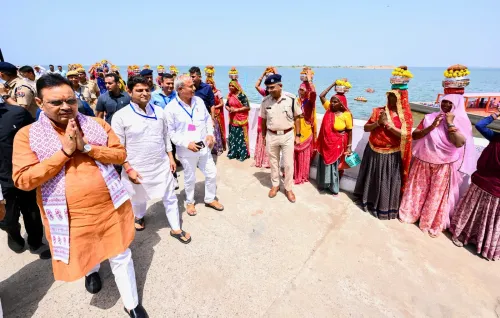
He performed a formal jal pujan with Vedic chanting at Bisalpur Dam and prayed for good rainfall across Rajasthan.
The CM visited Bisaldev Mahadev Temple and offered prayers for the prosperity of state residents.
An aerial survey of Isarda Dam was conducted to review water conservation, management, and irrigation project progress.
The Ramjal Setu Link Project feeder channel passes through three major dams — Isarda, Galwa, and Bandh Baretha — forming the backbone of Rajasthan's inter-reservoir connectivity plan.
Bisalpur Dam is a critical source of drinking water for Jaipur and surrounding areas, underscoring the strategic importance of the launch site.
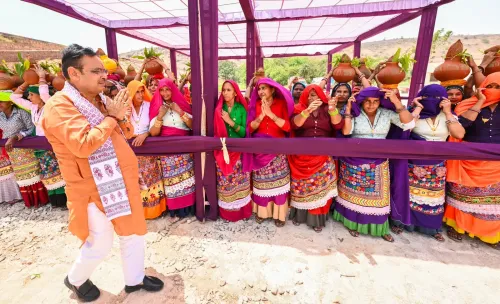
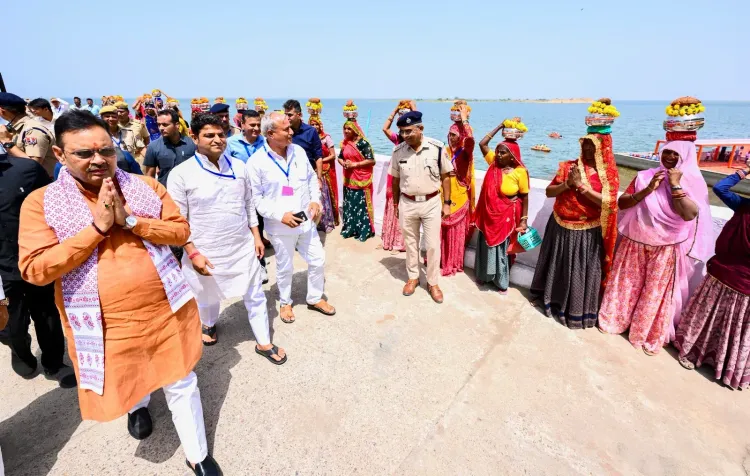
Chief Minister Bhajanlal Sharma on Monday, 25 May 2026, launched the 'Vande Ganga Jal Sanrakshan Jan Abhiyan' — a state-wide water conservation campaign — from Bisalpur Dam in Tonk district, coinciding with the auspicious occasion of Ganga Dashami. The Chief Minister's Office of Rajasthan announced the launch on X, sharing images of the ceremony and aerial survey conducted the same day.
Context
At the launch, CM Bhajanlal Sharma performed a formal jal pujan (water worship) at Bisalpur Dam accompanied by Vedic chanting, and prayed for good rainfall across the state. He subsequently visited the Bisaldev Mahadev Temple at the site, offering prayers for the well-being and prosperity of the people of Rajasthan. The decision to anchor the campaign at Bisalpur Dam — a critical reservoir supplying drinking water to Jaipur and surrounding regions — carries both practical and symbolic significance.
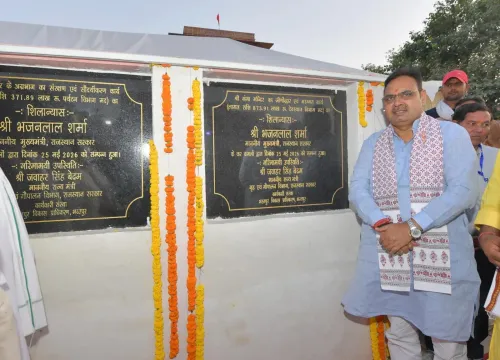
Following the inauguration, the Chief Minister conducted an aerial survey of Isarda Dam to review progress on water conservation, water management, and irrigation projects linked to the site. The survey underscored the government's intent to monitor infrastructure development firsthand.
Policy Backdrop
The new campaign follows a well-established tradition in Rajasthan of combining community outreach with water conservation policy. The earlier Mukhya Mantri Jal Swavalamban Abhiyan, launched in 2016, similarly sought to promote community-led water harvesting across the state. Rajasthan's updated state water policy of 2019 had further emphasised inter-basin transfers and dam modernisation to improve irrigation efficiency.
A key infrastructure thread running through Monday's events is the Ramjal Setu Link Project, whose feeder channel passes through three major dams: Isarda, Galwa, and Bandh Baretha. The project represents Rajasthan's broader ambition to create a more resilient and connected reservoir network to address chronic water scarcity in the semi-arid state.
Stakeholders and Impact
Bisalpur Dam in Tonk district is a lifeline for drinking water supply to Jaipur and parts of central Rajasthan, while also supporting agricultural irrigation. Isarda Dam is designed to improve water supply to the state's eastern districts, making both sites central to the livelihoods of farmers and rural households across the region. Rajasthan's location in a semi-arid zone means it is acutely dependent on monsoon performance and efficient reservoir management.
By integrating the launch with Ganga Dashami — a festival celebrating the descent of the Ganga — the government has sought to connect religious sentiment with civic participation in conservation efforts, a strategy successive Rajasthan administrations have employed to broaden the reach of such campaigns.
What's Next
The progress of the Ramjal Setu Link Project's feeder channel — spanning Isarda, Galwa, and Bandh Baretha dams — will be a key indicator of how the state's inter-reservoir connectivity ambitions translate into on-ground outcomes. Observers will also watch for any new budget allocations for dam modernisation in Rajasthan's forthcoming state budget session. The Vande Ganga Jal Sanrakshan Jan Abhiyan is positioned as a people's movement, and its scale and community uptake over the coming monsoon season will determine its policy impact.
Point of View
CM Bhajanlal Sharma is projecting hands-on governance on a resource issue that directly affects farmers and urban water consumers alike. The emphasis on the Ramjal Setu Link Project connects this campaign to a longer infrastructure arc, suggesting the BJP government is keen to demonstrate continuity and momentum on inter-basin water management. With the monsoon approaching, the timing also serves as a pre-emptive reminder of the state's water preparedness agenda.
NationPress
22 Sept 2026
Frequently Asked Questions
What is the Vande Ganga Jal Sanrakshan Jan Abhiyan?
The Vande Ganga Jal Sanrakshan Jan Abhiyan is a state-wide water conservation campaign launched by Rajasthan Chief Minister Bhajanlal Sharma on 25 May 2026 from Bisalpur Dam in Tonk, on the occasion of Ganga Dashami.
Where is Bisalpur Dam located and why is it important?
Bisalpur Dam is located in Tonk district, Rajasthan. It is a major reservoir that supplies drinking water to Jaipur and parts of central Rajasthan, and also supports agricultural irrigation in the semi-arid region.
What is the Ramjal Setu Link Project in Rajasthan?
The Ramjal Setu Link Project is an inter-reservoir connectivity initiative in Rajasthan. Its feeder channel passes through three major dams — Isarda, Galwa, and Bandh Baretha — aiming to create a more resilient irrigation and drinking water network across the state.
Why did CM Bhajanlal Sharma conduct an aerial survey of Isarda Dam?
CM Bhajanlal Sharma conducted an aerial survey of Isarda Dam on 25 May 2026 to review the progress of water conservation, water management, and irrigation projects, including work related to the Ramjal Setu Link Project feeder channel.
What is Ganga Dashami and why was it chosen for this launch?
Ganga Dashami is a Hindu festival marking the descent of the sacred river Ganga to earth. The occasion was chosen for the campaign launch to connect religious sentiment with civic participation in water conservation, a strategy that has historically helped Rajasthan governments broaden public engagement in such initiatives.