CM Bhajan Lal Marks Close of Vande Ganga Water Drive
Synopsis
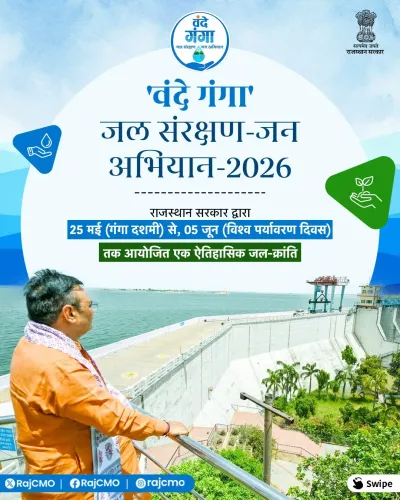
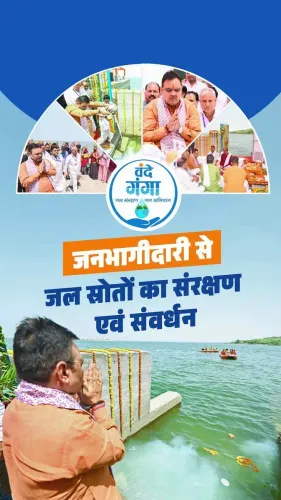
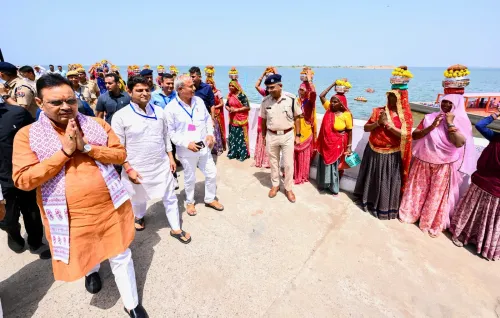
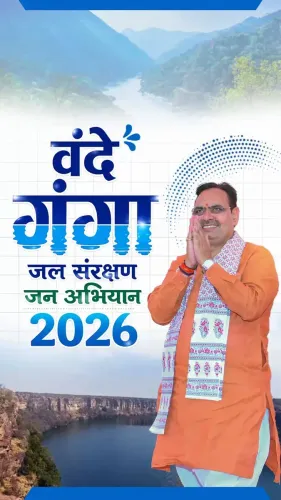
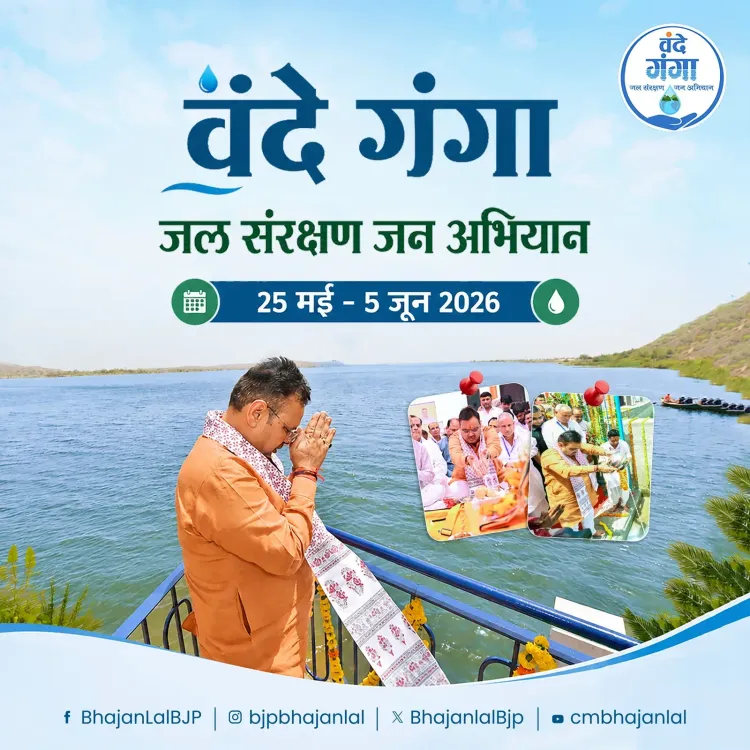
Rajasthan Chief Minister Bhajan Lal Sharma on 6 June 2026 marked the conclusion of the Vande Ganga Jal Sanrakshan Jan Abhiyan-2026, a 12-day statewide drive covering Amrit Sarovars, rivers, and traditional water bodies, and renewed the government's pledge to achieve 'Jal Atmanirbhar Rajasthan'.
Key Takeaways
The Vande Ganga Jal Sanrakshan Jan Abhiyan-2026 ran from 25 May to 5 June 2026 across Rajasthan.
CM Bhajan Lal Sharma announced the campaign's conclusion on 6 June 2026 via a post on X.
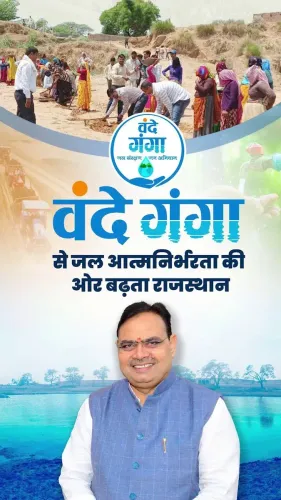
Activities covered conservation, rejuvenation, and cleaning of Amrit Sarovars , reservoirs, rivers, and traditional water sources.
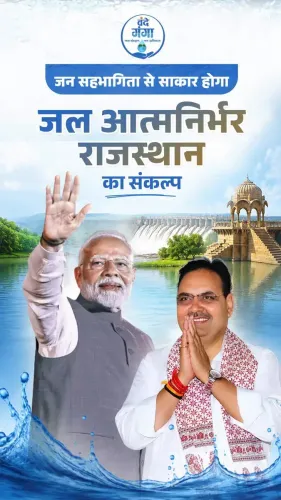
The drive is part of the state's broader 'Jal Atmanirbhar Rajasthan' initiative aimed at water self-sufficiency.
The campaign aligns with the central Amrit Sarovar scheme (2022) and the Jal Jeevan Mission (2019) .
Post-campaign data on revived water bodies and participation levels is yet to be officially published.
Rajasthan Chief Minister Bhajan Lal Sharma on Saturday, 6 June 2026 marked the conclusion of the Vande Ganga Jal Sanrakshan Jan Abhiyan-2026, a statewide water conservation campaign that ran from 25 May to 5 June across Rajasthan, calling it a milestone in building public consciousness around water security.
Context
In his post, CM Sharma stated that the campaign had 'जागरूकता और संवेदनशीलता की एक नई चेतना का संचार किया है' ('spread a new consciousness of awareness and sensitivity') across the state. The drive, conducted over 12 days, encompassed programmes focused on water conservation, water augmentation, and environmental protection. Efforts were directed at the preservation, rejuvenation, and cleaning of Amrit Sarovars, reservoirs, rivers, and traditional water sources.
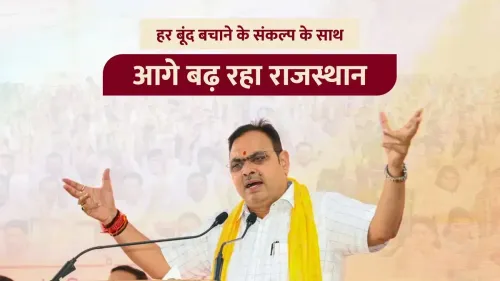
Sharma also renewed the state government's commitment to the 'Jal Atmanirbhar Rajasthan' mission, urging citizens to make water conservation an integral part of their lifestyle to build a 'water-prosperous Rajasthan' for future generations.
Policy Backdrop
The campaign draws on a layered policy lineage. The Amrit Sarovar scheme, launched by the central government in 2022, mandates the construction and rejuvenation of 75 ponds per district with community involvement — a framework the state campaign explicitly builds upon. Rajasthan's own Mukhya Mantri Jal Swavalamban Abhiyan, initiated in 2016, had earlier established community-driven water harvesting structures as a model for the state.
The Jal Jeevan Mission, announced in 2019, further underpins the broader national push to secure rural water access. The Vande Ganga Abhiyan integrates these central and state-level frameworks, linking traditional systems such as johads and talabs with modern public-participation drives.
Stakeholders and Impact
Rajasthan's arid and semi-arid geography makes it among the most water-stressed states in India, placing farmers and rural communities at the centre of any conservation effort. Local bodies were key implementers of the campaign's on-ground activities, including cleaning and desilting of water bodies. The revival of traditional water sources carries direct implications for groundwater recharge and agricultural resilience in the region.
The campaign also fits within the BJP's 'double engine government' framing — a term CM Sharma used — which positions aligned central and state governments as mutually reinforcing in delivering welfare and infrastructure outcomes. Similar conservation weeks have been conducted in other BJP-governed states as part of a coordinated approach to climate resilience and the Atmanirbhar Bharat framework.
What's Next
The government is expected to release post-campaign assessments covering the number of water bodies revived and the scale of public participation, though those figures are yet to be officially published. Observers will watch whether the momentum translates into measurable improvements in groundwater levels and whether the outcomes are linked to upcoming state budget provisions or Jal Jeevan Mission progress reviews.
With World Environment Day falling on 5 June — the final day of the campaign — the state government's timing signals an intent to anchor local conservation action within the global environmental calendar, potentially setting the stage for annual editions of the Vande Ganga Abhiyan.
Point of View
Reinforcing the 'double engine' narrative ahead of any electoral cycle. By anchoring the campaign's close to World Environment Day, the Rajasthan government signals an intent to institutionalise the drive as an annual fixture rather than a one-off event. The emphasis on traditional water bodies — johads, talabs, Amrit Sarovars — resonates with a rural constituency that faces acute groundwater stress, making water conservation a politically salient issue in an arid state. Whether the campaign delivers measurable hydrological outcomes, however, will depend on post-campaign follow-through and budget allocations that remain to be seen.
NationPress
20 Oct 2026
Frequently Asked Questions
What is the Vande Ganga Jal Sanrakshan Jan Abhiyan?
The Vande Ganga Jal Sanrakshan Jan Abhiyan is a statewide water conservation campaign run by the Rajasthan government, held from 25 May to 5 June 2026, focusing on the rejuvenation and cleaning of Amrit Sarovars, rivers, reservoirs, and traditional water sources.
What is 'Jal Atmanirbhar Rajasthan'?
'Jal Atmanirbhar Rajasthan' is a state initiative launched under CM Bhajan Lal Sharma's government to achieve water self-sufficiency in Rajasthan through conservation, augmentation, and community participation.
What is the Amrit Sarovar scheme?
The Amrit Sarovar scheme is a central government programme launched in 2022 that targets the construction and rejuvenation of 75 ponds per district across India, with active community involvement.
Why is water conservation critical for Rajasthan?
Rajasthan has an arid and semi-arid climate that makes it one of India's most water-stressed states, with farmers and rural communities heavily dependent on groundwater and traditional water harvesting structures.
How does the Vande Ganga Abhiyan relate to the Jal Jeevan Mission?
The Vande Ganga Abhiyan complements the Jal Jeevan Mission — the central scheme announced in 2019 to provide tap water to rural households — by focusing on source sustainability through conservation and rejuvenation of local water bodies.