Rajasthan CM Bhajan Lal Sharma Urges Officials to Prevent Water Shortage This Summer
Synopsis
In a crucial meeting, Rajasthan's Chief Minister Bhajan Lal Sharma emphasized the importance of effective water management to prevent shortages during the summer months. Officials are tasked with ensuring all preparations are completed to maintain continuous water supply across the state.
Key Takeaways
Effective water management is essential to prevent shortages during summer.
All drinking water complaints must be resolved within 24 hours .
A comprehensive contingency plan is in place across 41 districts .
The 'Viksit Gram–Shahari Ward' campaign aims to develop master plans.
Over 100 million saplings are targeted for planting this year.
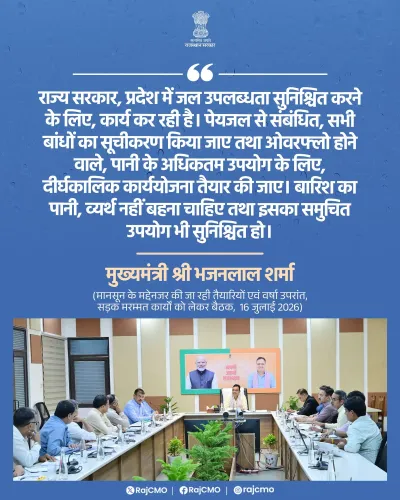
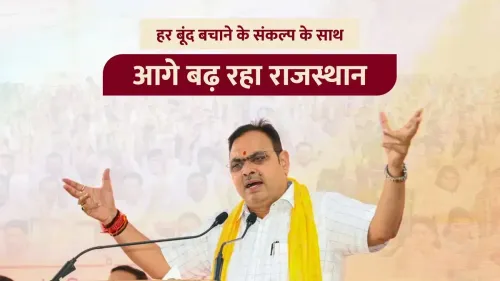
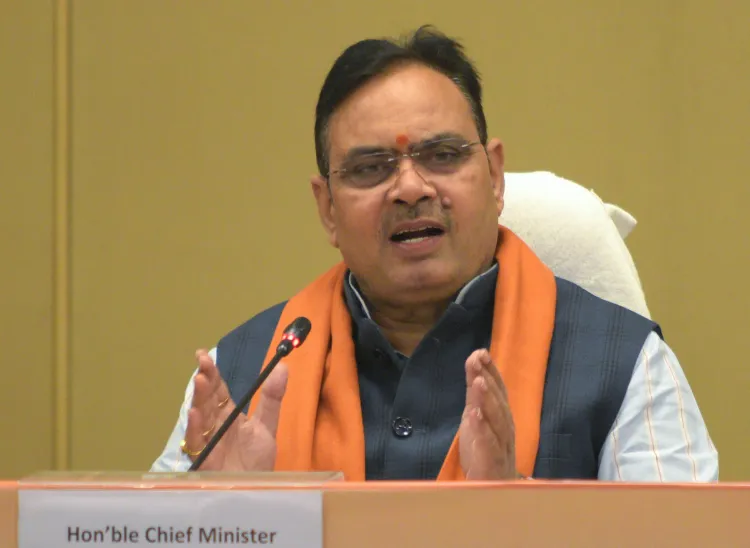
Jaipur, March 14 (NationPress) Rajasthan's Chief Minister Bhajan Lal Sharma instructed officials and district authorities on Saturday to prioritize efficient management of drinking water in all villages and towns during the upcoming summer months, emphasizing that residents must not endure any water shortages.
While leading a review meeting at the Chief Minister’s Office to assess pre-summer arrangements, Sharma insisted that officials rigorously oversee the execution of the state’s summer contingency strategy.
He urged departments to finalize all preparations—such as the installation of new hand pumps and tube wells, alongside the maintenance of existing pumps, pipelines, and water systems—before the arrival of peak summer.
The Chief Minister emphasized that any lapses in providing a consistent water supply would be unacceptable.
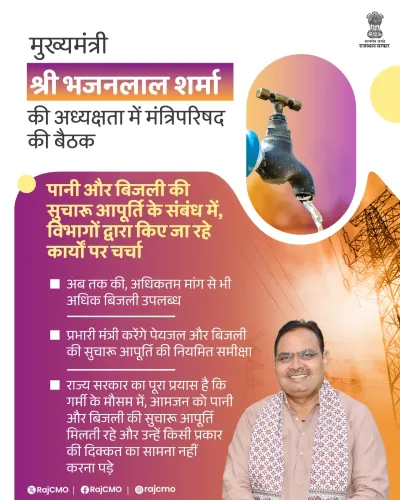
Sharma directed the officials from the Public Health Engineering Department (PHED) and the electricity sector to collaborate effectively.
All drinking water-related issues reported to the state helpline 181 must be addressed within a 24-hour timeframe, he stated.
Additionally, he requested that the frequency of water supply be increased in regions currently receiving water every 48, 72, or 96 hours.
Officials reported that a detailed contingency plan has been established for both rural and urban settings across all 41 districts.
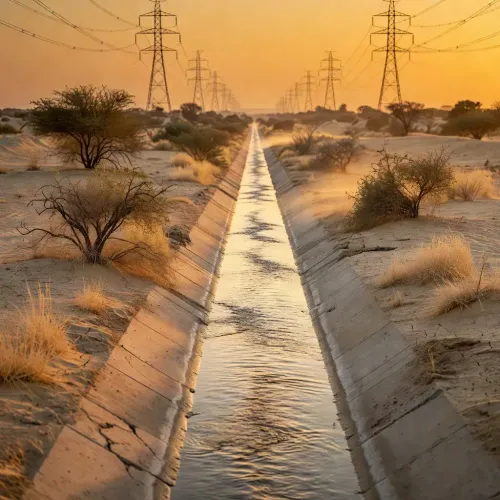
District Collectors delivered specific action plans tailored to their regions, including strategies for canal-fed zones in Bikaner, arid districts like Jodhpur, tube-well reliant areas such as Dungarpur, and tribal and mountainous regions in Udaipur.
Sharma also announced the launch of the ‘Viksit Gram–Shahari Ward’ (Developed Village–Urban Ward) initiative on March 19 as part of the state's broader development agenda.
This program aims to develop master plans for both Gram Panchayat and urban ward levels.
It will concentrate on organized development across key areas such as education, healthcare, drinking water supply, electricity, and transportation infrastructure, while also identifying potential for small and micro-enterprises in both rural and urban settings.
In terms of environmental initiatives, the Chief Minister noted that nearly 190 million saplings have been planted statewide over the last two years, with a goal of exceeding 100 million saplings in the current year.
He instructed officials to pinpoint appropriate planting locations ahead of time and to encourage the growth of fruit-bearing trees that are suited to local ecosystems, highlighting that such initiatives can enhance agricultural yields and water conservation.
The meeting included attendance from PHED Minister Kanhaiya Lal, Food and Civil Supplies Minister Sumit Godara, Chief Secretary V. Srinivas, and other senior officials, with several Divisional Commissioners and District Collectors participating via video conference.
Point of View
The proactive measures initiated by Rajasthan's Chief Minister reflect a commitment to public welfare. Ensuring a reliable water supply during the scorching summer months is crucial for both urban and rural populations, and the state's comprehensive contingency plan demonstrates strategic foresight.
NationPress
29 Sept 2026
Frequently Asked Questions
What measures is Rajasthan taking to ensure water supply this summer?
Rajasthan is implementing a comprehensive summer contingency plan, which includes installing new hand pumps, repairing existing water infrastructure, and closely monitoring water distribution.
How quickly must drinking water complaints be addressed?
All complaints related to drinking water received on the state helpline 181 must be resolved within 24 hours.
What is the goal for sapling planting in Rajasthan this year?
The state aims to plant over 100 million saplings this year, building on the 190 million planted in the past two years.
When will the 'Viksit Gram–Shahari Ward' campaign launch?
The 'Viksit Gram–Shahari Ward' campaign is set to launch on March 19, focusing on the development of master plans for villages and urban wards.
How often is water currently provided in some areas?
In certain areas, water is currently supplied once every 48, 72, or 96 hours, and officials have been instructed to reduce these intervals.