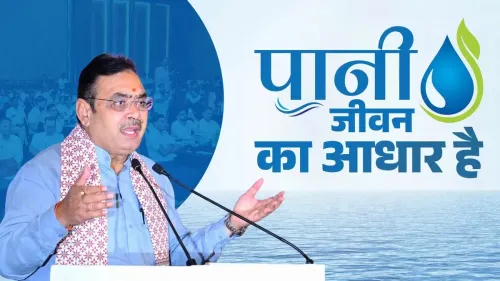
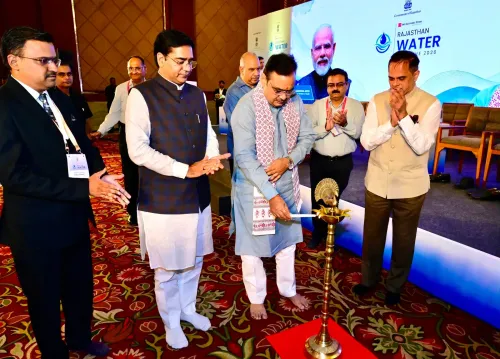
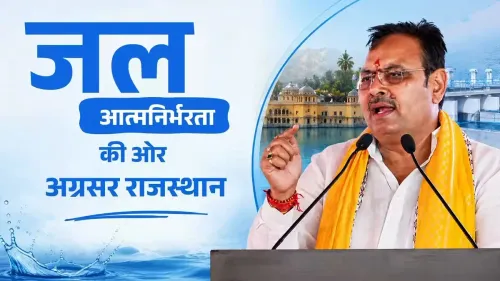
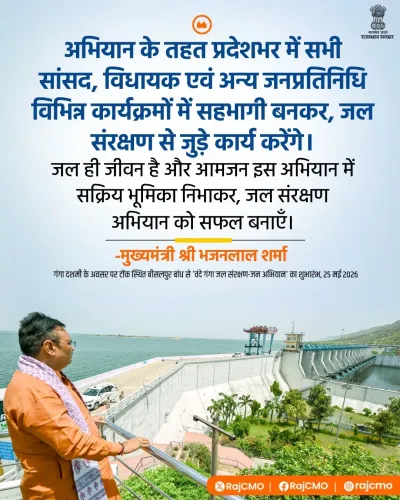
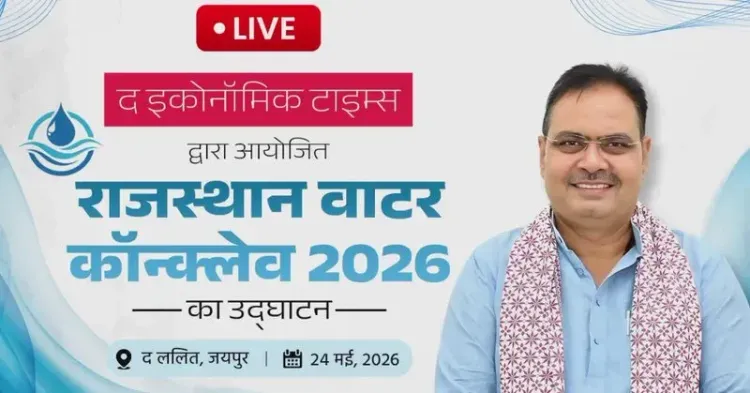
CM Bhajan Lal Sharma Inaugurates Rajasthan Water Conclave 2026
Synopsis
Rajasthan Chief Minister Bhajan Lal Sharma inaugurated the Rajasthan Water Conclave 2026 in Jaipur on 24 July, convened to address the state's acute water scarcity challenges through expert-led policy dialogue on conservation and sustainable water management.
Key Takeaways
CM Bhajan Lal Sharma inaugurated the Rajasthan Water Conclave 2026 in Jaipur on 24 July 2026 .
The conclave focuses on water management and conservation in one of India's most arid states.
Rajasthan's Mukhya Mantri Jal Swavalamban Abhiyan (launched 2016 ) and the national Jal Jeevan Mission ( 2019 ) form the key policy backdrop.
Primary beneficiaries of improved water policy include farmers and rural households across Rajasthan.
Policy recommendations from the conclave may shape state budget allocations for water infrastructure in the next fiscal cycle.
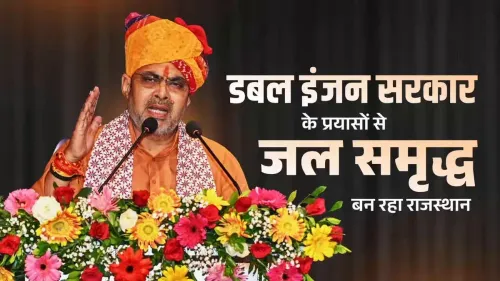
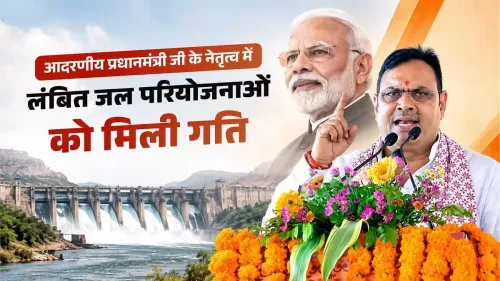
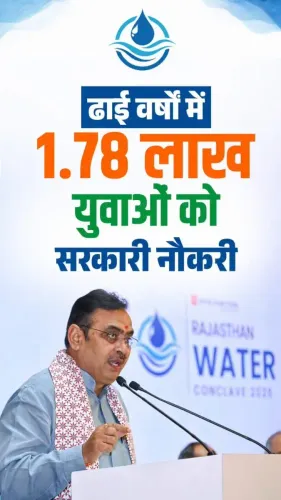
Rajasthan Chief Minister Bhajan Lal Sharma on Friday, 24 July 2026, inaugurated the Rajasthan Water Conclave 2026 in Jaipur, a conference organised by a leading Indian business daily focused on water management and conservation challenges facing the state.
Context
Sharma shared a live broadcast of the inauguration on his official X account, signalling the government's intent to place water security at the centre of public policy discourse. The conclave brings together experts, policymakers, and stakeholders to deliberate on sustainable water use in one of India's most water-stressed states.
Rajasthan covers over 10 per cent of India's land area yet receives among the lowest average annual rainfall in the country, making water governance a perennial and pressing priority for successive administrations.
Policy Backdrop
The state has a layered history of water conservation initiatives. The Mukhya Mantri Jal Swavalamban Abhiyan, launched in 2016, aimed at creating village-level water conservation structures across rural Rajasthan, mobilising communities to build check dams, ponds, and recharge structures.
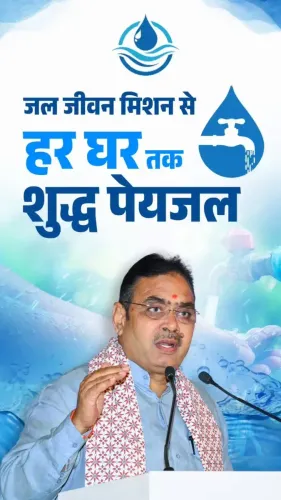
At the national level, the Jal Jeevan Mission, announced in 2019, set an ambitious target of providing functional tap water connections to every rural household in India. Rajasthan has been among the states working to align its own schemes with this central programme to accelerate last-mile water delivery.
Together, these policy frameworks form the backdrop against which the Rajasthan Water Conclave 2026 is positioned — as a platform to evaluate progress, identify gaps, and chart the next phase of water security planning.
Stakeholders and Impact
Farmers and rural households stand as the primary stakeholders in Rajasthan's water policy landscape. Agriculture in the state is heavily dependent on groundwater and seasonal rainfall, making irrigation efficiency and aquifer recharge critical concerns for the farming community.
Urban water supply, industrial demand, and inter-state river water sharing agreements add further complexity to the challenge. Conclaves of this nature provide a structured forum for diverse voices — from water scientists and civil society to district administrators and industry — to feed into actionable policy recommendations.
What's Next
Observers will watch closely for any policy announcements or project commitments that emerge from the conclave's deliberations. Recommendations from such forums often inform state budget allocations, and the next fiscal cycle's water infrastructure spending in Rajasthan could reflect priorities identified at the Jaipur event.
Chief Minister Sharma's decision to personally inaugurate the conclave underscores the political weight the BJP-led state government is placing on water security as both a governance deliverable and a public priority ahead of future electoral cycles.
Point of View
Not merely a technical concern. Rajasthan's chronic arid conditions make water a politically potent issue, and convening a high-profile forum allows the administration to demonstrate proactive engagement with a challenge that directly affects farmers and rural voters. The move also aligns with the Centre's Jal Jeevan Mission narrative, reinforcing state-Centre coordination on a visible welfare agenda. Whether the conclave translates into concrete budgetary commitments will be the real test of its policy impact.
NationPress
23 Oct 2026
Frequently Asked Questions
What is the Rajasthan Water Conclave 2026?
The Rajasthan Water Conclave 2026 is a conference held in Jaipur focused on water management, conservation, and sustainable water use in Rajasthan, inaugurated by Chief Minister Bhajan Lal Sharma on 24 July 2026.
Who inaugurated the Rajasthan Water Conclave 2026?
Rajasthan Chief Minister Bhajan Lal Sharma inaugurated the Rajasthan Water Conclave 2026 in Jaipur on 24 July 2026.
Why is water management important for Rajasthan?
Rajasthan covers over 10 per cent of India's land area but receives very low average annual rainfall, making water scarcity a persistent challenge for agriculture, drinking water supply, and overall development.
What is the Mukhya Mantri Jal Swavalamban Abhiyan?
The Mukhya Mantri Jal Swavalamban Abhiyan is a Rajasthan state scheme launched in 2016 to build village-level water conservation structures such as check dams, ponds, and recharge structures to improve rural water availability.
How does the Jal Jeevan Mission relate to Rajasthan's water policy?
The Jal Jeevan Mission, announced by the central government in 2019, aims to provide tap water connections to all rural households in India, and Rajasthan has been aligning its own schemes with this programme to accelerate water delivery at the last mile.