CM Bhajanlal Sharma Pushes Tribal Tourism on Rajasthan Map
Synopsis
The Rajasthan government under CM Bhajanlal Sharma is developing a Tribal Tourist Circuit and Maharana Pratap Tourist Circuit, backed by over ₹306 crore in tourism projects, aiming to put tribal regions on the global tourism map while boosting rural livelihoods.
Key Takeaways
The Chief Minister's Office of Rajasthan announced the initiative on 11 August 2026 under CM Bhajanlal Sharma .
A Tribal Tourist Circuit and a Maharana Pratap Tourist Circuit are being developed to expand Rajasthan's tourism geography.
Tourism projects worth more than ₹306 crore are underway across tribal regions of the state.
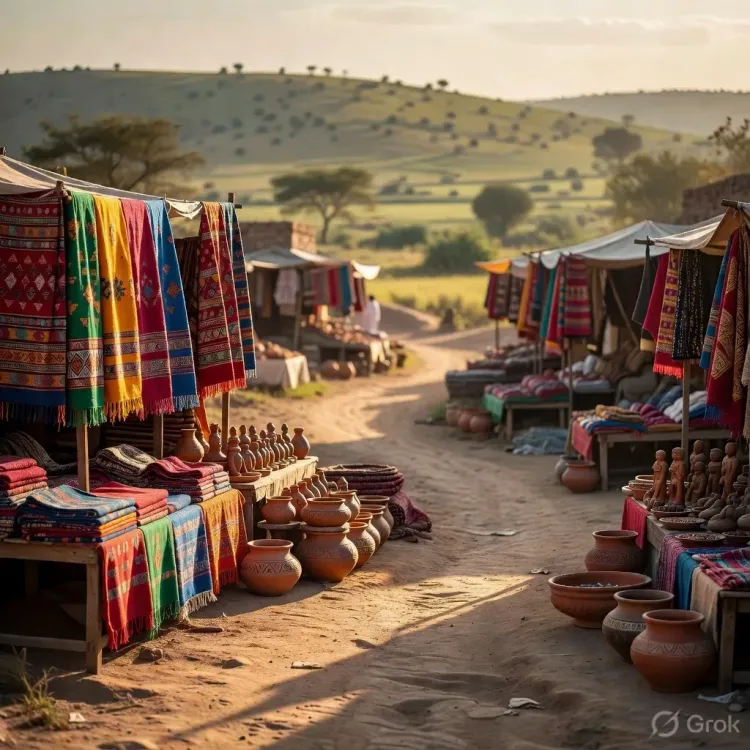
The government is simultaneously working to preserve handicrafts, natural heritage, and folk traditions in tribal areas.
The stated goal extends beyond tourism promotion to generating local employment and strengthening tribal community livelihoods.
The initiative represents a strategic shift to distribute tourism revenue toward historically underserved tribal districts .
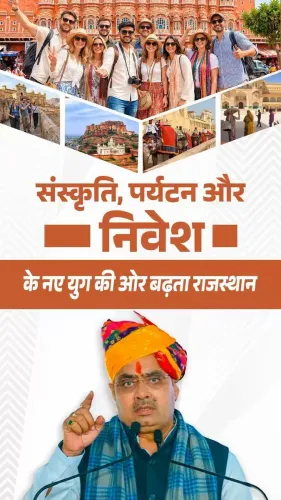
Rajasthan has long sold the world its forts and deserts. Now, Chief Minister Bhajanlal Sharma is betting that the state's tribal heartlands — their crafts, customs, and landscapes — can become the next frontier of global tourism, and a lifeline for rural communities that heritage circuits have largely bypassed.
The Chief Minister's Office of Rajasthan announced on 11 August 2026 that the state government is actively developing a Tribal Tourist Circuit and a Maharana Pratap Tourist Circuit, alongside tourism infrastructure projects worth more than ₹306 crore across tribal regions of the state. The push, the CMO stated, is as much about livelihoods as it is about footfall.
Two circuits, one strategic pivot
The Tribal Tourist Circuit is designed to spotlight destinations in Rajasthan's tribal belts that have remained off the standard itinerary — areas rich in indigenous craft traditions, folk performance, and natural landscapes. The Maharana Pratap Tourist Circuit draws on the legacy of the 16th-century Mewar ruler, linking historical sites associated with one of Rajasthan's most celebrated figures into a coherent travel route.
Together, the two circuits represent a deliberate attempt to distribute tourism's economic weight — moving it from the already-celebrated Golden Triangle adjacent zones toward districts where tribal communities form a significant share of the population.
Crafts, traditions, and the ₹306 crore question
Beyond physical infrastructure, the government says it is investing in the preservation and promotion of natural heritage, handicrafts, and folk traditions in tribal areas. The stated logic: tourists come for authenticity, and authenticity here means living traditions — hस्तशिल्प और लोक परंपराएं (handicrafts and folk traditions) — that need active support to survive.
The CMO's post frames the ₹306-crore outlay not as a tourism spend but as a rural economy intervention. Local employment generated through tourism, it argues, directly strengthens tribal communities' livelihoods — a framing that positions the initiative within a broader tribal welfare agenda rather than purely a hospitality play.
Rajasthan's longstanding tourism edge — and its limits
Rajasthan consistently ranks among India's top tourism destinations, drawing international visitors to Jaipur, Jodhpur, Udaipur, and Jaisalmer. But that success has been geographically concentrated. Tribal districts — home to communities such as the Bhils and Minas — have seen comparatively little of the revenue that heritage tourism generates in the state's western and central zones.
The Sharma government's tribal tourism push follows a pattern seen across several Indian states: using culture-led tourism as a vehicle for inclusion, channelling visitor spending toward communities that have historically been peripheral to the industry. Whether implementation matches ambition — in employment numbers, in artisan incomes, in actual tourist arrivals to tribal zones — will be the real measure of this ₹306-crore bet.
Rajasthan has always known how to tell its story to the world. The harder task is making sure that story, and its rewards, reach every corner of the state.
Point of View
While simultaneously addressing tribal welfare — a politically sensitive constituency for the BJP. Framing a ₹306-crore infrastructure spend as a livelihood programme rather than a hospitality investment is shrewd: it anchors the initiative in social equity rather than commercial aspiration. The dual-circuit model — one tribal, one Mewar-historical — also signals an attempt to serve two distinct voter and visitor segments without diluting either appeal. The harder test will come at implementation: India has a long history of announced tribal tourism schemes that underdeliver on actual community income gains.
NationPress
11 Aug 2026
Frequently Asked Questions
What is the Tribal Tourist Circuit in Rajasthan?
The Tribal Tourist Circuit is a planned tourism development initiative by the Rajasthan government to promote destinations, crafts, and folk traditions in the state's tribal regions, aiming to attract global visitors and generate local employment.
What is the Maharana Pratap Tourist Circuit?
The Maharana Pratap Tourist Circuit is a tourism route in Rajasthan linking historical sites associated with the 16th-century Mewar ruler Maharana Pratap, being developed as part of the state's expanded tourism strategy.
How much money is Rajasthan spending on tribal tourism projects?
The Rajasthan government announced tourism projects worth more than ₹306 crore in tribal areas of the state, as stated by the Chief Minister's Office in August 2026.
What is CM Bhajanlal Sharma's tribal tourism plan?
CM Bhajanlal Sharma's government is developing tribal and heritage tourist circuits, investing over ₹306 crore in tribal area tourism infrastructure, and working to preserve handicrafts and folk traditions to boost rural livelihoods alongside tourism.
How does tribal tourism help local communities in Rajasthan?
The Rajasthan government's tribal tourism initiative aims to generate local employment and increase incomes for tribal communities by attracting visitors to their regions, preserving traditional crafts, and channelling tourism spending into the rural economy.