CM Bhupendra Patel Dedicates ₹441 Cr Projects to Valsad
Synopsis
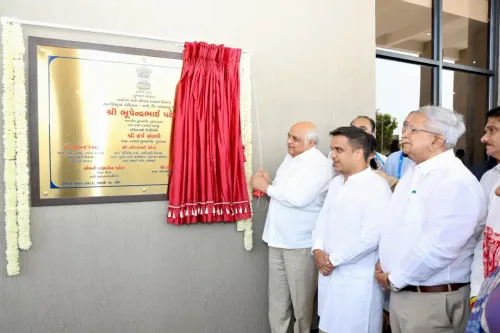
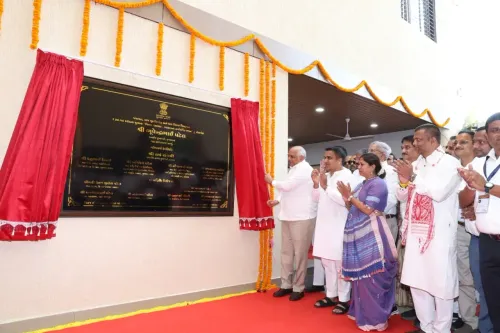
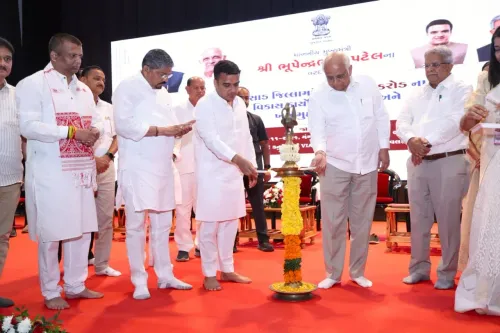
Gujarat CM Bhupendra Patel dedicated ₹441 crore worth of infrastructure projects in Valsad district from Vapi on November 3, 2026 — including a new district panchayat bhavan, a sub-district hospital, a 15-acre sports complex in Navera, and roads and bridges across Dharampur, Umargam, Pardi and Kaparada.
Key Takeaways
₹441 crore in infrastructure projects dedicated to Valsad district by CM Bhupendra Patel from Vapi on November 3, 2026 .
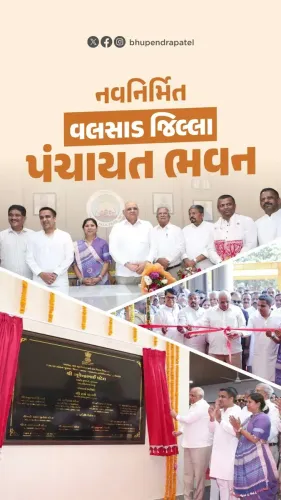
A ₹37.50 crore district panchayat bhavan will consolidate all district administration under one roof.
A ₹48.22 crore Vapi Sub-District Hospital will provide modern healthcare to lakhs of residents.
A ₹21 crore, 15-acre sports complex in Navera targets youth athletic development in the district.
New bridges and roads will improve rural-urban connectivity in Dharampur, Umargam, Pardi and Kaparada talukas.
The launches follow Gujarat BJP's established pattern of bundling district infrastructure projects around major festival periods.
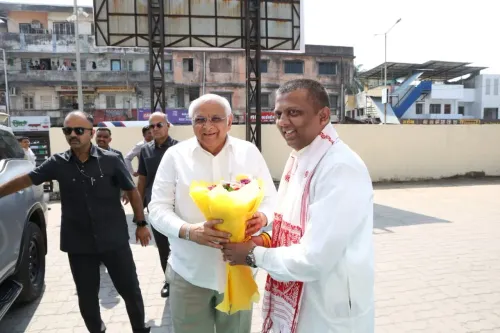
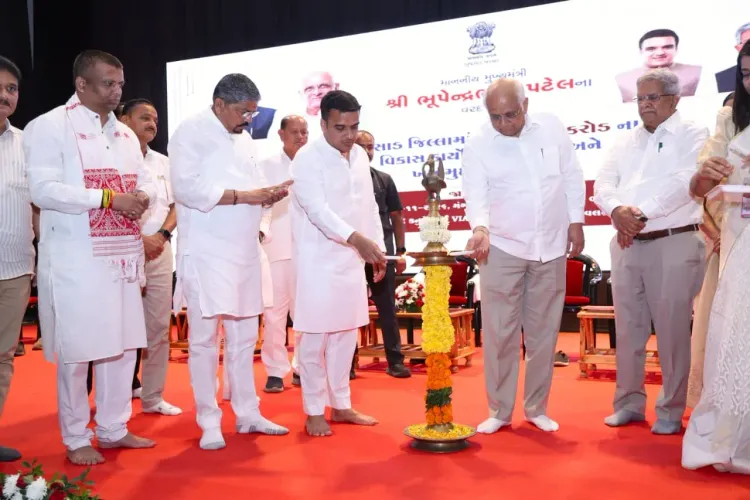
Just days before Diwali, Gujarat Chief Minister Bhupendra Patel turned Valsad district into a showcase of state-delivered infrastructure — dedicating a sweeping ₹441 crore package of projects to residents from Vapi on Tuesday, November 3, 2026. The haul spans a new district headquarters building, a modern sub-district hospital, a sprawling sports complex and a string of bridges and roads stitching rural talukas to urban centres.
What ₹441 Crore Buys Valsad
The centrepiece of the announcement is a ₹37.50 crore district panchayat bhavan — a single-roof administrative hub designed to end the inefficiency of scattered government offices. Alongside it, a ₹48.22 crore Vapi Sub-District Hospital promises modern clinical care to what the Chief Minister described as 'lakhs of citizens' across the district's urban and peri-urban belt.
In Navera, a ₹21 crore district sports complex spread across 15 acres is positioned as a launchpad for young athletes. CM Patel said the facility would give 'new wings to the dreams of youth players' — a pointed signal that the state's sporting infrastructure push is moving well beyond Ahmedabad.
Bridges and Roads for Dharampur, Umargam, Pardi, Kaparada
Beyond the headline projects, new bridges and roads across the talukas of Dharampur, Umargam, Pardi and Kaparada are designed to close the connectivity gap between Valsad's villages and its commercial centres. The district sits on Gujarat's southern edge, bordering Maharashtra, with a mix of GIDC industrial zones and heavily forested tribal talukas — a geography that makes road links both economically critical and politically resonant.
Festival Timing and Gujarat's Infrastructure Playbook
The pre-Diwali timing is no accident. Gujarat's BJP governments have maintained a deliberate cadence of bundled district-level infrastructure launches pegged to major festival windows since the 2010s — a practice that marries administrative spending cycles with maximum public visibility. The Valsad event fits that template precisely: a single high-profile visit, multiple sectors covered (health, administration, sports, connectivity), and a clear narrative of 'development delivered.'
For Valsad — a district whose residents range from industrial workers in Vapi's chemical corridor to tribal communities in Kaparada — the projects address a notably wide cross-section of needs in one stroke. Whether timelines hold will be the real test.
The Diwali lamps may flicker for a night; the real measure of these projects will be how brightly they light up Valsad in the years ahead.
Point of View
Administration, sports and connectivity in one visit, CM Patel signals breadth of delivery rather than depth in any single sector, which suits a district with sharply varied constituencies. The hospital-plus-sports-complex pairing is particularly notable: it speaks simultaneously to the middle-income industrial belt around Vapi and to the aspirational tribal belt in the eastern talukas. The real political test comes post-Diwali, when project execution timelines will need to match the celebratory optics.
NationPress
3 Nov 2026
Frequently Asked Questions
What projects were inaugurated in Valsad district on November 3 2026?
Gujarat CM Bhupendra Patel dedicated ₹441 crore in projects including a ₹37.50 crore district panchayat bhavan, a ₹48.22 crore Vapi Sub-District Hospital, a ₹21 crore sports complex in Navera, and new bridges and roads in Dharampur, Umargam, Pardi and Kaparada talukas.
Where is the new Valsad sports complex located?
The new district sports complex is located in Navera, Valsad district. It spans 15 acres and was built at a cost of ₹21 crore.
What is the Vapi Sub-District Hospital project?
The Vapi Sub-District Hospital is a ₹48.22 crore modern healthcare facility in Vapi, Valsad district, intended to provide upgraded medical treatment to lakhs of residents across the district.
Why was the Valsad infrastructure launch held before Diwali?
Gujarat governments have a long-standing practice of bundling and inaugurating district-level infrastructure projects around major festivals, aligning annual development spending cycles with high-visibility public moments.
Which talukas in Valsad will get new roads and bridges?
The talukas of Dharampur, Umargam, Pardi and Kaparada in Valsad district are set to receive new bridges and roads aimed at strengthening rural-urban connectivity.