CM Bhupendra Patel Hails CG Semi OSAT Launch in Sanand
Synopsis
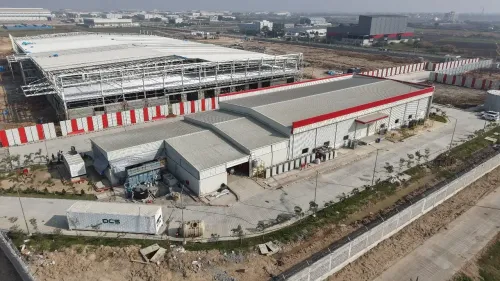
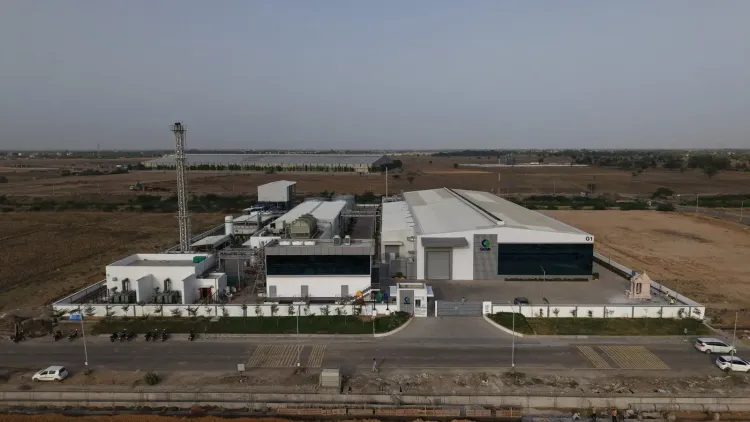
Gujarat CM Bhupendra Patel hailed the inauguration of the CG Semi OSAT semiconductor facility in Sanand on 3 July 2026, calling it a milestone in India's chip self-reliance drive under PM Modi's leadership and the India Semiconductor Mission.
Key Takeaways
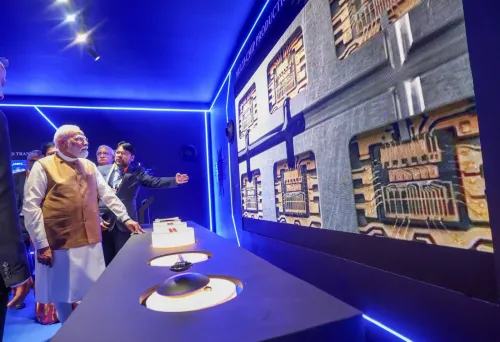
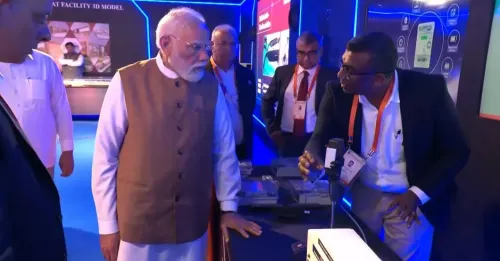
CG Semi OSAT facility was inaugurated in Sanand, Gujarat on 3 July 2026 in the presence of Prime Minister Narendra Modi .
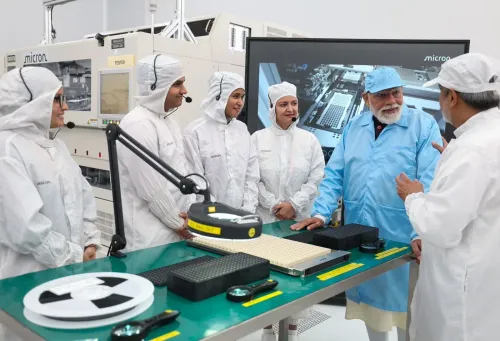
The plant is an Outsourced Semiconductor Assembly and Test (OSAT) unit, a key post-fabrication link in the global chip supply chain.
The project falls under India's ₹76,000 crore PLI scheme for semiconductors and display manufacturing approved in December 2021 .
India Semiconductor Mission guidelines, notified in 2022 , provide fiscal support specifically for OSAT, ATMP, and fabrication facilities.
Gujarat has positioned itself as India's semiconductor growth engine, competing with Tamil Nadu , Assam , and Uttar Pradesh for chip-sector investments.
The facility is expected to reduce India's dependence on overseas chip packaging services and generate skilled employment in Ahmedabad district .
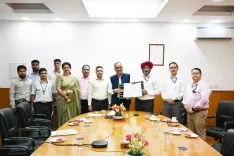
Gujarat Chief Minister Bhupendra Patel on Friday, 3 July 2026, welcomed Prime Minister Narendra Modi to the state as the CG Semi OSAT facility in Sanand was inaugurated, calling it a proud moment for Gujarat and a significant milestone in India's semiconductor journey.
Context
In his post, CM Patel described the inauguration as 'yet another step towards strengthening India's self-reliance in advanced electronics manufacturing and building a future-ready economy.' He credited the development to the 'visionary leadership' of Prime Minister Modi and positioned Gujarat as the 'nation's semiconductor growth engine.'
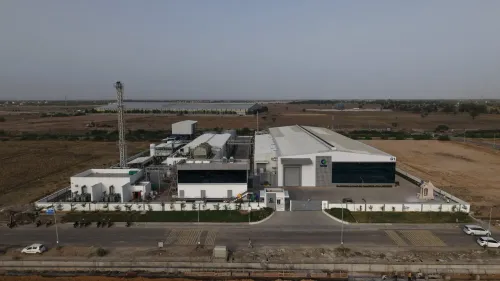
The facility is an OSAT (Outsourced Semiconductor Assembly and Test) unit — a category of plant that packages and tests chips after they are fabricated, forming a critical link in the global semiconductor supply chain. Its location in Sanand, an industrial corridor in Ahmedabad district, underlines the area's evolution from an automobile manufacturing hub into a broader electronics and advanced manufacturing destination.
Policy Backdrop
The inauguration sits within a larger policy architecture built by the central government. The Union Cabinet approved a ₹76,000 crore Production Linked Incentive scheme for semiconductors and display manufacturing in December 2021, followed by the notification of India Semiconductor Mission (ISM) guidelines in 2022 to provide fiscal support specifically for OSAT, ATMP, and fabrication units.
The India Semiconductor Mission, launched under the Atmanirbhar Bharat initiative, was designed to reduce India's dependence on imported chips — a vulnerability that became acutely visible during the global semiconductor shortage after 2020, which disrupted automobile, consumer electronics, and defence supply chains worldwide.
Gujarat has actively competed with states including Tamil Nadu, Assam, and Uttar Pradesh to attract semiconductor assembly, test, and packaging investments under this policy umbrella, leveraging its established industrial infrastructure and investor-friendly reputation.
Stakeholders and Impact
The OSAT facility at Sanand is expected to benefit domestic electronics manufacturers who currently rely heavily on overseas chip packaging and testing services, adding a layer of supply-chain resilience within India. Workers in Gujarat's industrial belt stand to gain from skilled and semi-skilled employment opportunities that semiconductor assembly operations typically generate.
For the broader ecosystem, an operational OSAT unit signals to global chip designers and fabless companies that India now offers end-to-end post-fabrication services domestically. This could attract further investment proposals to the India Semiconductor Mission pipeline in coming quarters.
What's Next
Attention will now turn to the ramp-up of production capacity at the Sanand facility and whether its commissioning accelerates further approvals under the India Semiconductor Mission. Policymakers and industry observers will watch for announcements on additional OSAT or fabrication projects, as India seeks to move up the semiconductor value chain from assembly and testing toward indigenous chip design and wafer fabrication.
With Gujarat now hosting a functioning OSAT unit, the state's pitch as India's preferred semiconductor destination gains tangible evidence — raising the competitive stakes for other states vying for the next wave of chip-sector investments.
Point of View
Not just an economic one. CM Patel's framing of Gujarat as the 'nation's semiconductor growth engine' is a deliberate pitch to cement the state's lead over rival states competing for the next tranche of India Semiconductor Mission approvals. For PM Modi, the event reinforces the Atmanirbhar Bharat narrative with a ribbon-cutting moment in a flagship home state. The real test, however, will be whether assembly and test capacity translates into the higher-value fabrication investments that would mark a genuine leap up the semiconductor value chain.
NationPress
3 Jul 2026
Frequently Asked Questions
What is the CG Semi OSAT facility in Sanand?
The CG Semi OSAT facility in Sanand, Gujarat is an Outsourced Semiconductor Assembly and Test plant that packages and tests semiconductor chips after fabrication, forming a critical link in the electronics supply chain. It was inaugurated on 3 July 2026.
What is OSAT in semiconductors?
OSAT stands for Outsourced Semiconductor Assembly and Test. These facilities take fabricated chips and perform packaging, assembly, and testing services — functions that are essential before chips can be used in consumer electronics, automobiles, or industrial equipment.
What is India's semiconductor mission?
The India Semiconductor Mission is a central government programme launched in 2021 under Atmanirbhar Bharat to develop domestic semiconductor design, fabrication, and assembly capabilities. It is backed by a ₹76,000 crore PLI scheme approved by the Union Cabinet in December 2021.
Why is Sanand important for semiconductor manufacturing?
Sanand in Ahmedabad district, Gujarat, is an established industrial corridor previously known for automobile manufacturing. Its infrastructure, connectivity, and state government support have made it an attractive location for electronics and semiconductor investments.
Which states are competing for semiconductor investments in India?
Gujarat, Tamil Nadu, Assam, and Uttar Pradesh are among the states competing to host semiconductor assembly, test, and packaging facilities under the India Semiconductor Mission's fiscal support framework.