CM Bhupendra Patel Hails PM Modi's Visit to Gujarat's ET-IVF Bovine Lab
Synopsis
PM Modi visited the Bharat Bovine Breeding and Research Centre's ET-IVF lab in Bhildi, Banaskantha on 30 October 2026. The 127-acre facility — India's first of its kind for the Kankrej breed — can accelerate genetic improvement 10–20 times, boosting Gujarat's dairy and pastoral economy.
Key Takeaways
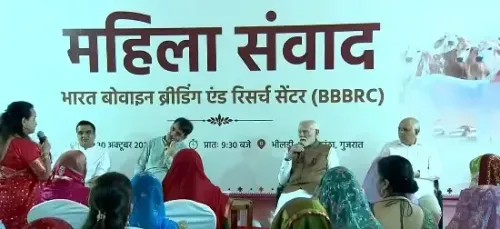
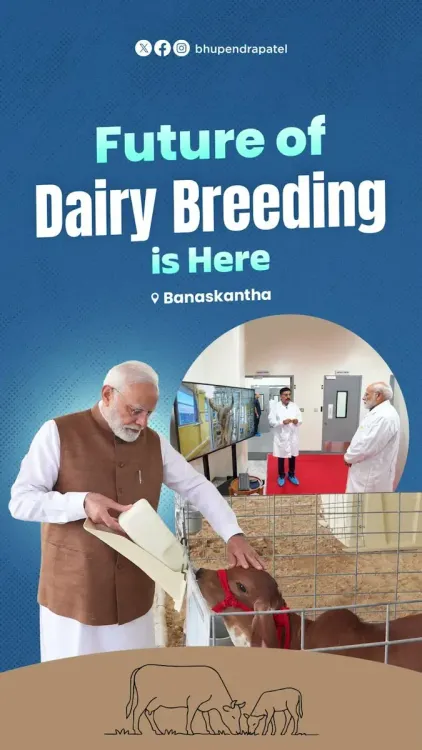
PM Narendra Modi visited the ET-IVF Laboratory and cattle farm of the Bharat Bovine Breeding and Research Centre in Bhildi, Banaskantha on 30 October 2026 .
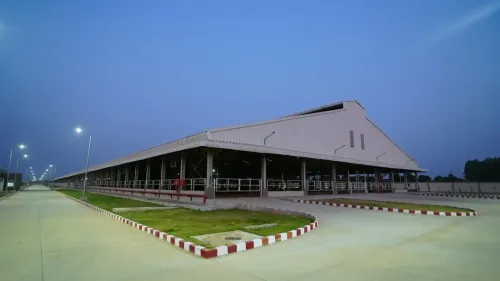
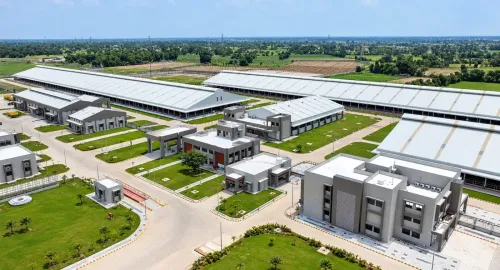
The centre spans 127 acres and is India's first dedicated facility for the Kankrej indigenous cattle breed .
ET-IVF technology can speed up genetic improvement in cattle by 10 to 20 times over conventional breeding.
The facility aligns with the Rashtriya Gokul Mission launched in 2014 to conserve and develop indigenous bovine breeds.
Livestock keepers of Banaskantha district — one of Gujarat's densest pastoral communities — stand to benefit directly from faster breed improvement.
The model may be extended to other states to create a national network of ET-IVF bovine breeding hubs.
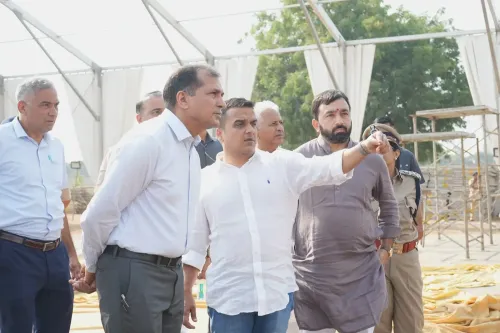
A cattle farm in Bhildi, Banaskantha just became the most consequential plot of agricultural land in India's dairy story. Gujarat Chief Minister Bhupendra Patel announced on Friday, 30 October 2026, that Prime Minister Narendra Modi visited the newly established Embryo Transfer Technology – In Vitro Fertilisation (ET-IVF) Laboratory and the cattle farm of the Bharat Bovine Breeding and Research Centre at Bhildi — a facility that promises to rewrite the genetics of India's most prized indigenous cattle.
India's first centre of excellence for the Kankrej breed
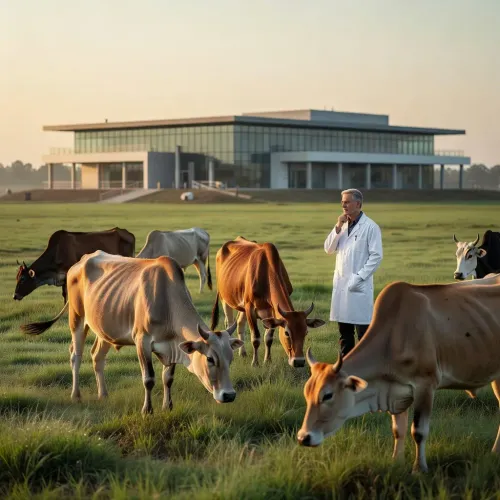
Built across 127 acres, the Centre of Excellence at Bhildi holds a singular distinction: it is the country's first dedicated facility for the Kankrej cow, the hardy, dual-purpose indigenous breed native to Gujarat's Banas region, revered for both draught strength and milk yield. The Prime Minister toured the ET-IVF laboratory and was briefed on the advanced reproductive technologies being deployed there — technologies that, according to CM Patel's post, can accelerate genetic improvement in the breed by 10 to 20 times compared with conventional breeding methods.
CM Patel captured the moment in Gujarati: 'પશુપાલનમાં વિજ્ઞાનનો નવો અધ્યાય!' — 'A new chapter of science in animal husbandry!' — before noting that the hardworking livestock keepers of Banaskantha will now have the force of modern science behind them.
What ET-IVF actually does for a cattle herd
Embryo Transfer Technology combined with In Vitro Fertilisation allows scientists to harvest embryos from genetically superior donor cows, fertilise them in a laboratory setting, and implant them into surrogate cattle. The result: a single elite Kankrej cow can produce dozens of high-value offspring in the time it would naturally produce one or two. Applied at scale across Banaskantha's large pastoral community, the technology compresses decades of selective breeding into a few breeding cycles.
The facility fits squarely within the Rashtriya Gokul Mission, launched in 2014, which set the national mandate for conserving and scientifically developing indigenous bovine breeds. Gujarat — India's leading dairy state — has been at the forefront of that mission, and Bhildi now anchors its most technologically advanced node.
Banaskantha's dairy farmers and the science now backing them
Banaskantha district is home to one of the country's densest concentrations of pastoral households, many of whom rear Kankrej cattle as their primary livelihood asset. The arrival of a world-class breeding facility in their backyard is not merely symbolic. Faster genetic gains mean higher milk productivity, stronger draught animals, and improved economic returns — directly inside communities where cattle are both capital and culture.
The broader ambition, as both central and state governments have signalled, is to replicate this ET-IVF model in other states with their own indigenous breeds, creating a network of biotechnology-driven breeding hubs that raise India's bovine genetic baseline without diluting native breed characteristics.
If Bhildi delivers on its promise, the Kankrej cow's next generation will be built not just in the fields of Banaskantha — but in a laboratory that just got a prime ministerial inspection.
Point of View
A state whose dairy cooperative network is a political as much as an economic asset, hosting India's first Kankrej-specific breeding centre strengthens the BJP's rural and pastoral constituency ahead of any electoral cycle. The 10–20x genetic gain claim, if validated at scale, could reshape the economics of indigenous cattle rearing nationally. The real test will be whether the Bhildi model can be replicated in other breed-endemic zones without diluting the very genetic purity it seeks to improve.
NationPress
30 Oct 2026
Frequently Asked Questions
What is the ET-IVF laboratory inaugurated in Bhildi, Gujarat?
The ET-IVF (Embryo Transfer Technology – In Vitro Fertilisation) laboratory in Bhildi is part of the Bharat Bovine Breeding and Research Centre, a 127-acre facility that uses advanced reproductive science to accelerate genetic improvement in indigenous cattle, particularly the Kankrej breed.
What is the Kankrej cow and why is it important?
The Kankrej is an indigenous cattle breed native to Gujarat's Banas region, prized for its dual-purpose traits — both strong draught capacity and reasonable milk yield. It is an economically vital breed for pastoral communities in Banaskantha district.
How does embryo transfer technology help in cattle breeding?
ET-IVF allows embryos from genetically superior cows to be fertilised in a laboratory and implanted into surrogates, enabling one elite cow to produce many more high-quality offspring in a short time, speeding up breed improvement by 10–20 times over conventional methods.
What is the Rashtriya Gokul Mission?
The Rashtriya Gokul Mission is a central government scheme launched in 2014 to conserve and scientifically develop indigenous bovine breeds in India, supporting infrastructure like ET-IVF labs and breed improvement centres across the country.
Why did PM Modi visit Bhildi in Gujarat?
PM Modi visited the Bharat Bovine Breeding and Research Centre in Bhildi on 30 October 2026 to inspect the ET-IVF laboratory and cattle farm, and to learn about the advanced reproductive technologies being used to improve indigenous cattle breeds.