Shekhawat shares PM Modi's live visit to ET-IVF Lab in Banaskantha

Synopsis
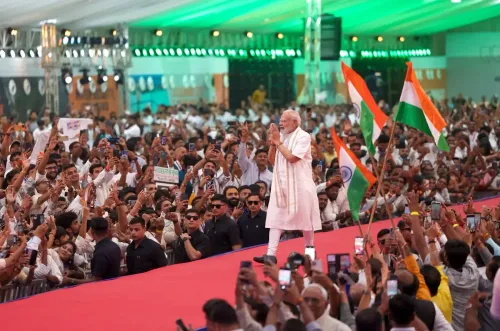
PM Narendra Modi visited the ET-IVF Lab and BBBRC Cattle Farm in Banaskantha, Gujarat on October 30, 2026. Minister Gajendra Singh Shekhawat broadcast the visit live on X, spotlighting the government's push to boost milk yields via advanced cattle-breeding technologies under the Rashtriya Gokul Mission.
Key Takeaways
PM Narendra Modi personally visited the ET-IVF Lab and BBBRC Cattle Farm in Banaskantha, Gujarat on October 30, 2026 .
Union Minister Gajendra Singh Shekhawat shared a live broadcast of the visit on X, amplifying visibility for the dairy-sector initiative.
The ET-IVF (Embryo Transfer – In-Vitro Fertilization) technology multiplies high-yield calves from genetically superior indigenous cows.
Banaskantha is a key node of Gujarat's dairy cooperative belt, historically linked to the Amul model and a recurring site of high-level agricultural attention.
The visit aligns with the Rashtriya Gokul Mission (launched 2014 ), which promotes assisted reproductive technologies to develop indigenous bovine breeds.
Watchers will track whether the visit translates into new ET-IVF centre expansions or fresh allocations in upcoming animal-husbandry policy updates.
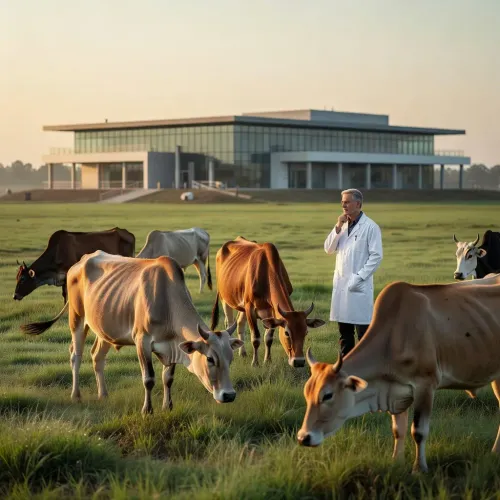
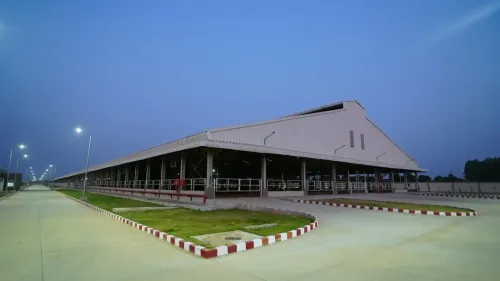
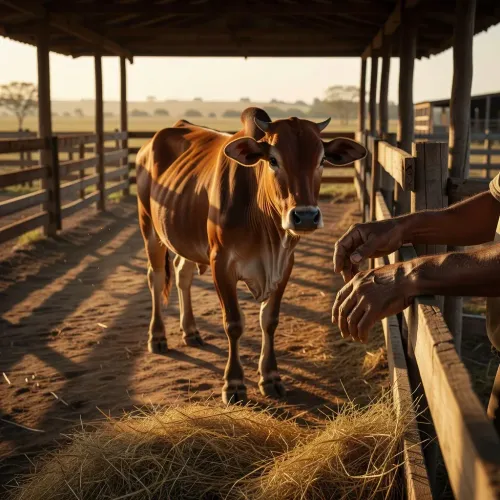
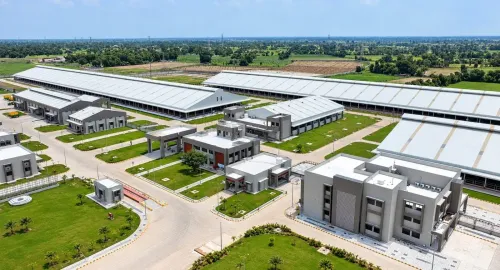
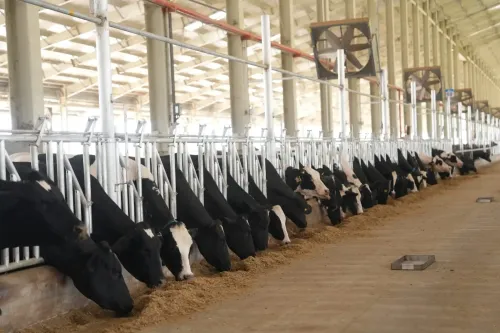
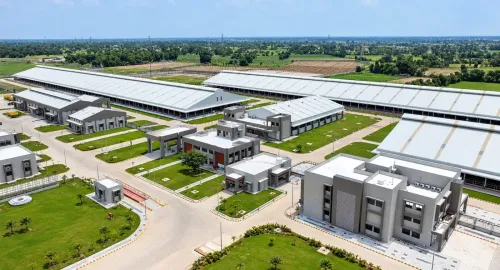
Where science meets the cowshed — Prime Minister Narendra Modi visited the ET-IVF Lab and the BBBRC Cattle Farm in Banaskantha, Gujarat, on Friday, October 30, 2026, in a hands-on tour of cutting-edge livestock breeding infrastructure that the government has championed as a pillar of rural prosperity. Union Culture and Tourism Minister Gajendra Singh Shekhawat shared a live broadcast of the visit on X, drawing national attention to the event.
What happens inside an ET-IVF Lab for cattle
The ET-IVF (Embryo Transfer – In-Vitro Fertilization) Lab represents one of the most advanced nodes of India's livestock-improvement network. Scientists here fertilise eggs from elite indigenous cows outside the womb, then transfer the resulting embryos into surrogate cattle — dramatically multiplying the number of high-yield calves a single genetically superior cow can produce in a year. The technology directly targets the core challenge facing Indian dairy: a large bovine population whose average milk yield remains far below its genetic potential.
Banaskantha's role in India's dairy story
Banaskantha district is no incidental backdrop. It is home to one of the most productive dairy cooperative belts in the country, its network of village societies feeding into the broader Amul ecosystem that turned Gujarat into a model for national dairy policy. Repeated prime ministerial visits to the region's animal-husbandry infrastructure reflect the state's long-standing status as a proving ground for programmes later scaled across India.
Rashtriya Gokul Mission and the breeding push
The visit fits squarely within the policy arc of the Rashtriya Gokul Mission, launched in 2014, which made ET-IVF and other assisted reproductive technologies central to conserving and developing indigenous bovine breeds. The mission's ambition: raise milk yields, reduce the import of exotic genetics, and keep India's dairy economy anchored in native breeds like Gir and Kankrej — both historically associated with the Gujarat belt. A prime ministerial walkthrough of a functioning lab sends an unmistakable signal about where policy emphasis lies heading into the next budget cycle.
The dairy sector feeds the livelihoods of tens of millions of farmers and livestock breeders across rural India. When the country's top leader personally inspects the petri dishes and cattle pens, it is more than a photo opportunity — it is a very public statement that the government intends to keep this infrastructure in the spotlight.
Point of View
And spotlighting ET-IVF technology ties indigenous-breed conservation to modern science in a way that resonates with both rural voters and urban technocrats. The timing, ahead of potential budget deliberations, keeps the Rashtriya Gokul Mission in the national conversation and signals continued federal commitment to livestock productivity as a rural-income lever. If the optics translate into fresh allocations or expanded centre rollouts, this visit will mark a policy inflection point rather than a ceremonial one.
NationPress
30 Oct 2026
Frequently Asked Questions
What is an ET-IVF Lab for cattle?
An ET-IVF (Embryo Transfer – In-Vitro Fertilization) lab for cattle fertilises eggs from genetically superior cows outside the womb and implants the embryos into surrogates, allowing one elite cow to produce many more high-yield calves per year than through natural reproduction.
Why did PM Modi visit Banaskantha in Gujarat?
PM Modi visited the ET-IVF Lab and BBBRC Cattle Farm in Banaskantha on October 30, 2026 to inspect advanced livestock-breeding infrastructure that supports the government's dairy productivity and indigenous-breed conservation goals.
What is the Rashtriya Gokul Mission?
The Rashtriya Gokul Mission is a central government programme launched in 2014 to conserve and develop indigenous bovine breeds using modern techniques including embryo transfer and IVF, with the goal of raising milk yields across India.
What is the BBBRC Cattle Farm in Banaskantha?
The BBBRC Cattle Farm in Banaskantha, Gujarat is a cattle-breeding facility visited by PM Modi on October 30, 2026. Specific operational details of the farm have not been independently verified.
Why is Banaskantha important for India's dairy sector?
Banaskantha district in northern Gujarat has a strong dairy cooperative presence tied to the Amul network and has historically served as a model for national dairy policy, making it a frequent destination for high-level government attention on animal husbandry.