Uttarakhand CMO: Pauri Garhwal man returns home, creates jobs

Synopsis
The Uttarakhand CMO has highlighted Sanjeev Bacheti of Kandai village, Pauri Garhwal, as a reverse-migration success story — a local who returned home and became a job creator, embodying the state's rural entrepreneurship push.
Key Takeaways
Sanjeev Bacheti of Kandai village, Pauri Garhwal reversed his migration and became a job creator, as highlighted by the Uttarakhand CMO on October 30, 2026 .
Pauri Garhwal has long faced severe out-migration, leaving villages depopulated and productive land fallow.
The 2020 COVID-19 pandemic triggered a large-scale reverse-migration wave to Uttarakhand's hill districts, prompting expanded state self-employment programmes.
The state government has framed individual returnee-entrepreneur stories as proof of its rural development policy working on the ground.
The CMO's targeted social-media spotlight — naming person, village, and district — is a deliberate strategy to signal to other potential returnees that coming home can be viable.
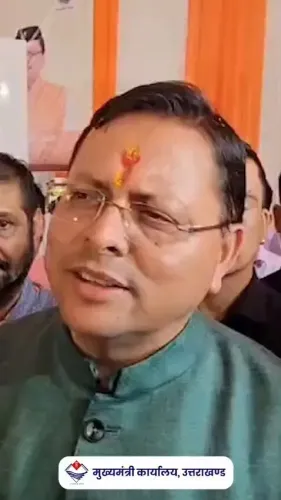
From a hill village that once watched its young men leave for the plains, a quiet reversal is underway. The Chief Minister's Office of Uttarakhand highlighted on Friday, October 30, 2026, how Sanjeev Bacheti of Kandai village, Pauri Garhwal district, chose to come back — and turned himself from a job-seeker into a job-giver.
The CMO's post read: 'Pauri Garhwal jile ke Kandai gaon ke Sanjeev Bacheti reverse migration kar bane job giver' — 'Sanjeev Bacheti of Kandai village, Pauri Garhwal district, reversed his migration and became a job creator.' Short, deliberate, pointed.
What Pauri Garhwal's out-migration crisis looks like
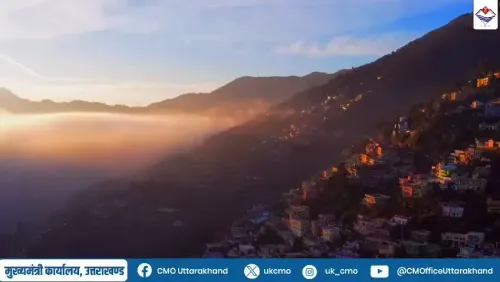
Pauri Garhwal sits in Uttarakhand's Garhwal Himalayan belt and carries one of the state's most visible migration scars. Entire hamlets here have thinned over decades as working-age residents moved to Dehradun, Delhi, and beyond, chasing employment the hills couldn't supply. The demographic toll — school closures, fallow land, ageing populations — has been a persistent policy headache for successive state governments.
The problem sharpened in 2020, when the COVID-19 pandemic triggered a mass reverse-migration wave, sending hundreds of thousands of Uttarakhandi workers back to their native villages almost overnight. The crisis also handed the state government a window: returnees were already home — the challenge was to make them stay.
How Uttarakhand's self-employment push fits in
In the wake of that wave, the state expanded self-employment and skill-training programmes specifically targeting returning migrants across hill districts. The policy logic was straightforward: seed enough micro-enterprises and individual success stories, and the tide of out-migration slows — perhaps reverses.
Bacheti's story is precisely the kind the government wants amplified. A resident of a small Kandai village who chose return over relocation and built something that now employs others. The CMO's decision to feature him individually — name, village, district — gives the narrative a human anchor that aggregate statistics rarely can.
Uttarakhand has regularly used such personal vignettes as proof-of-concept for its rural entrepreneurship drive, signalling to other potential returnees that the infrastructure of support exists and that the bet on coming home can pay off.
One returnee who creates even two or three local jobs carries an outsized signal value in a district where depopulation has made every employed household visible to its neighbours. That ripple effect — one story encouraging the next potential returnee — is exactly what the state is counting on.
Frequently Asked Questions
Who is Sanjeev Bacheti from Pauri Garhwal?
Sanjeev Bacheti is a resident of Kandai village in Pauri Garhwal district, Uttarakhand, who reversed his migration — meaning he returned to his home village after living elsewhere — and became a local job creator, as spotlighted by the Chief Minister's Office of Uttarakhand.
What is reverse migration in Uttarakhand?
Reverse migration in Uttarakhand refers to the return of workers and residents to their native hill villages after having moved to plains cities for employment. The trend accelerated during the 2020 COVID-19 pandemic and has since been promoted as a development opportunity by the state government.
Why does Pauri Garhwal have high out-migration?
Pauri Garhwal, like many hill districts in Uttarakhand, has historically offered limited local employment opportunities, pushing working-age residents toward cities. This has resulted in depopulation, abandoned farmland, and declining village populations over several decades.
What schemes does Uttarakhand have for returning migrants?
After the 2020 COVID-19 migration wave, Uttarakhand expanded self-employment and skill-training programmes targeting returnees in hill districts, aimed at seeding micro-enterprises and reducing dependence on out-migration for livelihood.
Why does the Uttarakhand CMO highlight individual migration success stories?
The Chief Minister's Office regularly features personal stories of returnee entrepreneurs to demonstrate the impact of state self-employment policies and to signal to other potential returnees that building a livelihood back home is viable, amplifying the message through social media.