Uttarakhand CM Office: 12 Hilans Eateries Open in Chamoli
Synopsis
The Uttarakhand Chief Minister's Office announced the launch of 12 Hilans Bhojanalyas in Chamoli district under the Gramoththan Pariyojana, aiming to promote local Pahadi cuisine and create livelihood opportunities for youth, women, and hill farmers.
Key Takeaways
12 Hilans Bhojanalyas have been launched across Chamoli district under the Gramoththan Pariyojana .
The outlets are designed to promote traditional Pahadi (mountain) cuisine and local produce .
Direct beneficiaries include local youth, rural women, and hill farmers (kashtkars) .
Chamoli , a Garhwal Himalayan district known for pilgrimage circuits, provides a ready footfall of visitors for the initiative.
The scheme aligns with Uttarakhand's broader strategy of linking self-help groups, local agriculture, and tourism to reduce out-migration.
Employment figures and plans for expansion to other districts remain to be officially reported.
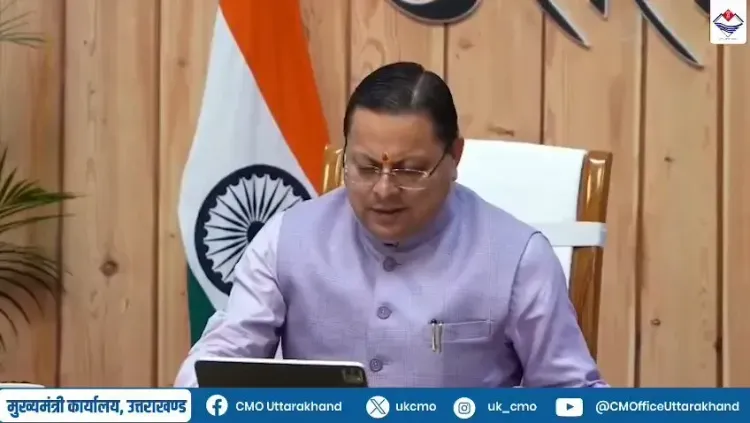
Twelve new community eateries are now serving the flavours of the Garhwal Himalayas — and quietly changing livelihoods for the people who live there. The Chief Minister's Office of Uttarakhand announced on Friday, 30 October 2026 that 12 Hilans Bhojanalyas (hill eateries) have been launched across Chamoli district under the Gramoththan Pariyojana (Village Uplift Project), with a direct mandate to promote local mountain cuisine, indigenous produce, and grassroots enterprise.
What the Hilans Bhojanalyas bring to Chamoli's villages
The eateries are designed as a triple win: they put local hill farmers (kashtkars), rural women, and youth at the centre of a small but tangible economic engine. By sourcing and showcasing traditional Pahadi dishes and produce — think indigenous millets, mountain herbs, and fermented staples rarely seen outside Garhwali kitchens — each outlet becomes a living market for the agricultural ecosystem that surrounds it.
The Gramoththan Pariyojana fits squarely within Uttarakhand's recurring policy instinct: stitch livelihood schemes to tourism and local food systems to stem the relentless out-migration that has hollowed out many Himalayan villages over the past two decades.
Chamoli as a testing ground for hill-economy revival
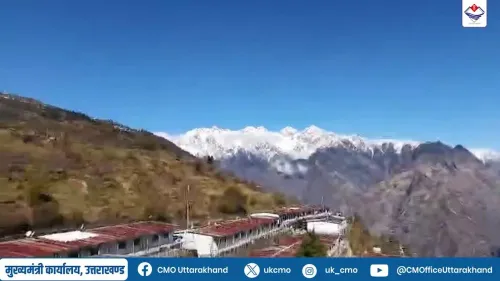
Chamoli, nestled in the Garhwal Himalayas, is better known for pilgrimage circuits — Badrinath, Auli, Valley of Flowers — than for structured rural enterprise. That footfall of devotees and trekkers, however, creates a ready audience for authentic local food. Routing that demand through community-run Hilans outlets, rather than highway dhabas, is the calculus behind the scheme.
Uttarakhand governments have repeatedly tried to combine self-help groups (SHGs), traditional agriculture, and hospitality to create sustainable income at the village level. The Hilans Bhojanalya model — a branded, organised outlet rather than an informal stall — signals an attempt to give that combination a durable institutional form.
Who gains, and what to watch
The stated beneficiaries are specific: local youth who might otherwise migrate to plains cities, women who form the backbone of mountain agriculture and home-based food production, and hill farmers whose indigenous varieties struggle to find remunerative markets. Twelve outlets across one district is a modest start — the question now is whether employment data backs the ambition, and whether the model scales to other hill districts facing the same pressures.
If Chamoli demonstrates measurable numbers — jobs created, women-led units, volume of local produce absorbed — it becomes the template. If not, it joins a long list of well-intentioned hill-economy pilots that never quite found their footing.
Point of View
The state is attempting to convert cultural capital — unique mountain cuisine — into a structured livelihood asset. The model echoes similar state-backed rural enterprise pilots elsewhere in the hills, but its success will hinge on whether women-led SHGs receive sustained backend support, or whether the outlets fade once the inaugural momentum dissipates. The real test is scalability: Chamoli is the pilot, and a dozen other hill districts are watching.
NationPress
30 Oct 2026
Frequently Asked Questions
What is a Hilans Bhojanalya in Uttarakhand?
A Hilans Bhojanalya is a community-run eatery launched under Uttarakhand's Gramoththan Pariyojana that serves traditional Pahadi (mountain) cuisine and locally sourced produce, with the aim of supporting rural livelihoods in hill districts.
What is the Gramoththan Pariyojana in Uttarakhand?
The Gramoththan Pariyojana, or Village Uplift Project, is a rural development scheme by the Uttarakhand government designed to promote local produce, create employment, and reduce out-migration from hill districts through enterprise-linked livelihood initiatives.
How many Hilans Bhojanalyas have been opened in Chamoli?
Twelve Hilans Bhojanalyas have been launched at 12 locations across Chamoli district as part of the Gramoththan Pariyojana.
Who benefits from the Hilans Bhojanalya scheme?
The scheme is designed to create livelihood opportunities for local youth, rural women, and hill farmers (kashtkars) in Chamoli district by promoting indigenous mountain food products and cuisine.
Why is Chamoli chosen for hill-economy livelihood schemes?
Chamoli is a Garhwal Himalayan district with significant pilgrim and trekker footfall — including sites like Badrinath and the Valley of Flowers — making it a natural testing ground for tourism-linked rural enterprise and local food promotion.