CM Bhupendra Patel Hails Ramapir Tekra Slum-to-Home Transformation
Synopsis
Gujarat CM Bhupendra Patel shared Union Minister Amit Shah's emotional reaction to modern homes replacing Ramapir Tekra slums in Ahmedabad, spotlighting the PMAY-U in-situ redevelopment model as a flagship achievement of the Housing for All mission.
Key Takeaways
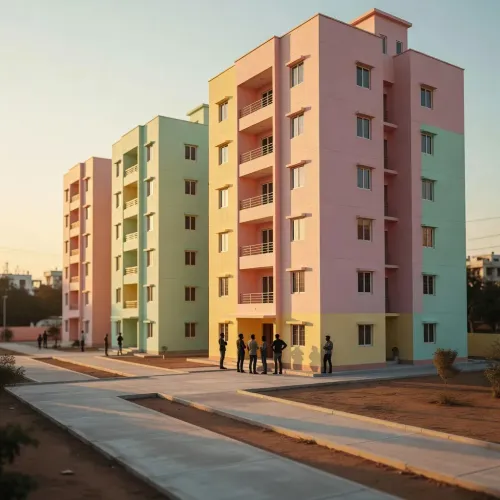
Ramapir Tekra in Ahmedabad has seen its slum settlements replaced with modern residential buildings under in-situ redevelopment.
Union Minister Amit Shah expressed personal joy at the transformation, quoted by CM Bhupendra Patel on 9 November 2026.
The project falls under the Pradhan Mantri Awas Yojana (Urban) , launched in June 2015 with an in-situ slum rehabilitation component.
The model keeps urban poor housed on the same land rather than relocating them to city outskirts.
Gujarat's BJP leadership is using Ramapir Tekra as a visible proof-of-concept for the national Housing for All mission.
Progress at Ramapir Tekra and similar phases in other Gujarat cities will be the next policy milestone to monitor.
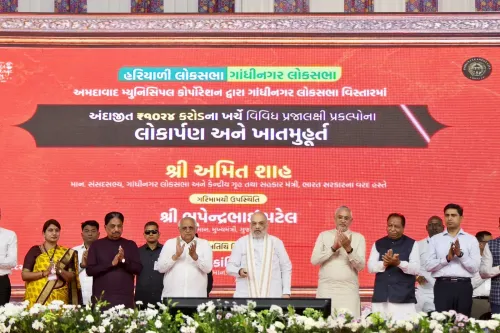
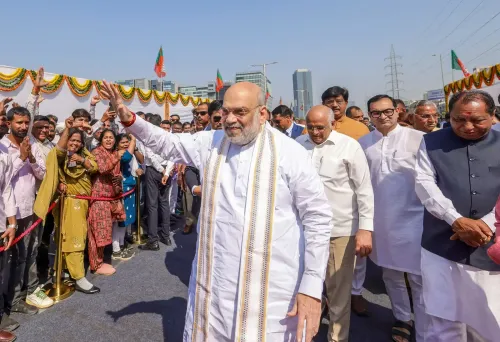
Where once makeshift shelters crowded the hillside of Ramapir Tekra in Ahmedabad, modern residential buildings now stand — and that sight moved Union Home and Cooperation Minister Amit Shah to words that Gujarat Chief Minister Bhupendra Patel shared publicly on Monday, 9 November 2026.
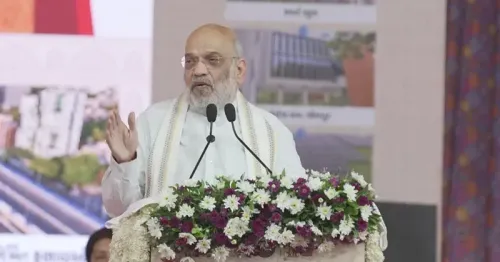
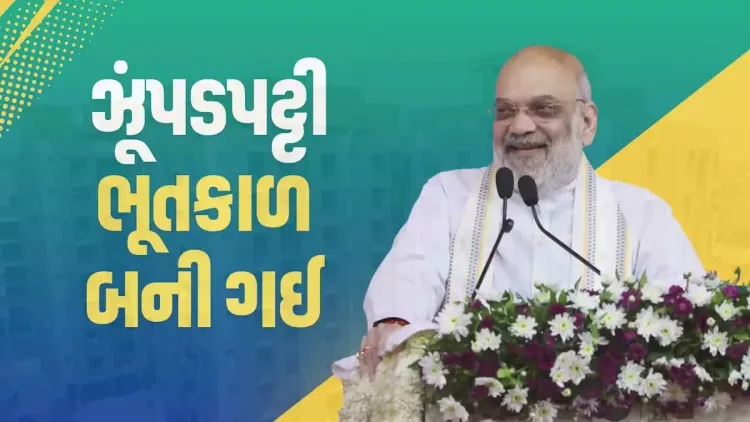
CM Patel quoted Shah on X: 'રામાપીરના ટેકરાની ઝૂંપડપટ્ટીના સ્થાને બનેલા આધુનિક મકાનો જોઈ મારું મન પ્રફુલ્લિત થઈ ગયું' — 'Seeing the modern homes built in place of the slums at Ramapir Tekra, my heart was filled with joy.' The post, accompanied by a video, underlines the political weight both leaders are placing on the in-situ redevelopment of one of Ahmedabad's most visible informal settlements.
Ramapir Tekra: From Informal Hillside to Formal Housing
Ramapir Tekra has long been one of Ahmedabad's prominent slum clusters. Its in-situ redevelopment — replacing jhuggi settlements with pucca, amenity-equipped apartment blocks on the same land — is precisely the model the central government designed when it launched the Pradhan Mantri Awas Yojana (Urban) in June 2015. The PMAY-U slum rehabilitation component was built on a simple but ambitious premise: eligible urban households should not be displaced to the city's periphery but upgraded where they already live, preserving community ties and livelihoods.
Gujarat has been an active participant in that national Housing for All mission. For the state's BJP leadership, Ramapir Tekra represents a flagship proof-of-concept — a named, visible site where the policy narrative can be anchored to brick-and-mortar reality.
Shah's Joy, Patel's Amplification
The choice to quote Amit Shah rather than issue an independent statement is deliberate optics. Shah, as a senior BJP leader and Union Home Minister, carries enormous political weight in his home state of Gujarat. His personal emotional response — 'my heart was filled with joy' — frames the housing project not as a bureaucratic achievement but as a human one. CM Patel's amplification of that sentiment signals alignment between state delivery and central vision.
The video attached to the post is expected to show the completed housing blocks, giving voters and beneficiaries a visual document of the transformation. The urban poor of Ahmedabad — the primary stakeholders of this redevelopment — now have formal addresses where they once had temporary structures.
PMAY-U and the Replication Question
The attention Ramapir Tekra is receiving raises a natural question for urban planners and residents in other Gujarat cities: where does the model go next? The state government is expected to push similar in-situ slum redevelopment phases in other Ahmedabad neighbourhoods and beyond, with PMAY-U providing the financial architecture. The progress of completions at Ramapir Tekra and the rollout of comparable phases elsewhere will be the next metric to watch.
A slum that once defined a hillside in Ahmedabad has become a symbol on a national policy billboard — and the ministers who built it are making sure everyone sees it.
Point of View
CM Patel is running a classic governance-communication play: humanising a policy delivery to make it stick in voters' minds. Ramapir Tekra is being elevated from a local redevelopment site to a symbolic marker of the BJP's urban welfare record ahead of future electoral cycles in Gujarat. The PMAY-U model's replication across other Gujarat cities will determine whether this moment becomes a one-off headline or the opening chapter of a broader urban transformation narrative. For the urban poor, the tangible gain — a pucca home in their own neighbourhood — is real regardless of the politics framing it.
NationPress
9 Nov 2026
Frequently Asked Questions
What is Ramapir Tekra and why is it in the news?
Ramapir Tekra is a slum locality in Ahmedabad, Gujarat, that has undergone in-situ redevelopment under PMAY-U, replacing informal settlements with modern housing. It is in the news because Union Minister Amit Shah's emotional reaction to the transformation was shared by CM Bhupendra Patel on 9 November 2026.
What is the Pradhan Mantri Awas Yojana Urban scheme?
PMAY-U is a central government scheme launched in June 2015 that provides affordable housing for the urban poor, including an in-situ slum redevelopment component that upgrades existing slum land into formal housing without displacing residents.
What did Amit Shah say about Ramapir Tekra?
Amit Shah said, 'Seeing the modern homes built in place of the slums at Ramapir Tekra, my heart was filled with joy,' expressing personal satisfaction at the housing transformation.
How does in-situ slum redevelopment work under PMAY-U?
Under the PMAY-U slum rehabilitation component, eligible slum dwellers receive pucca homes built on the same land as their previous informal settlements, preserving their community ties and access to city livelihoods rather than relocating them to the urban periphery.
Will similar housing projects be taken up in other Gujarat cities?
Gujarat's state government and the central PMAY-U framework are expected to extend similar in-situ slum redevelopment to other Ahmedabad neighbourhoods and cities, with Ramapir Tekra serving as a template for the broader Housing for All mission.