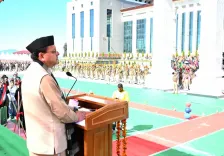
CM Mohan Yadav releases ₹65.66 cr for MP gaushalas on Govardhan Puja
Synopsis
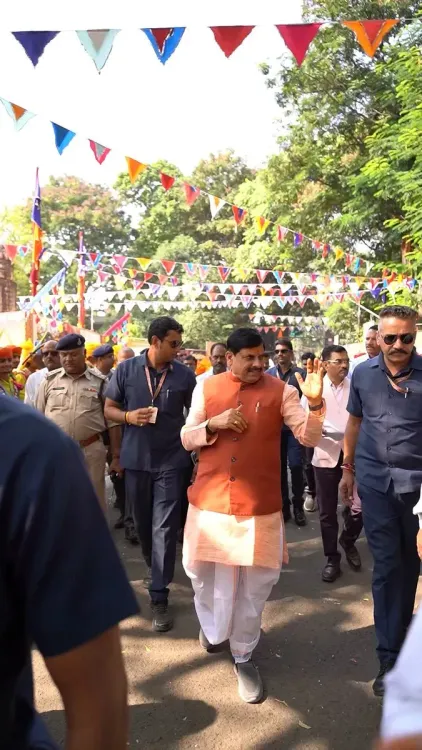
On Govardhan Puja 2026, MP CM Dr. Mohan Yadav transferred ₹65.66 crore to over 3,000 registered gaushalas, awarded 466 livestock farmers ₹2.95 crore under the Gopal-Krishna Gram Puraskar Yojana, and announced Shwet Kranti 2.0 to make MP the country's milk capital within two years.
Key Takeaways
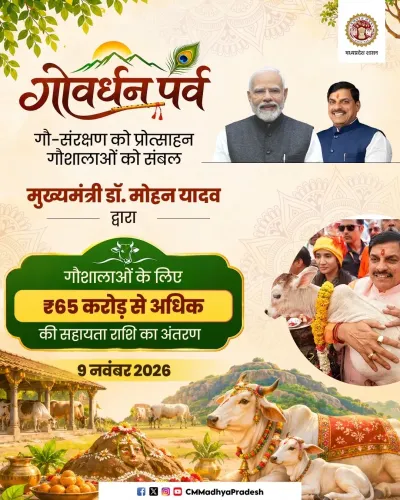
₹65.66 crore in state grants transferred on 9 November 2026 for upkeep of 5.51 lakh-plus cattle in registered gaushalas.
Over 3,000 registered gaushalas across Madhya Pradesh are covered by this round of funding.
466 livestock farmers received a combined ₹2.95 crore under the Gopal-Krishna Gram Puraskar Yojana .
Shwet Kranti 2.0 targets dairy cooperative expansion and aims to make Madhya Pradesh the country's Milk Capital within two years .
The state also plans to increase Gau-Ambulance numbers and develop modern, self-reliant gaushala infrastructure.
Organic farming, fisheries, and horticulture are being promoted alongside livestock to diversify rural incomes.
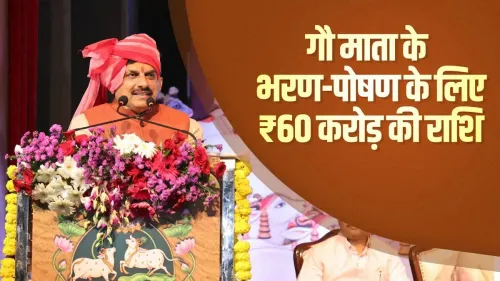
On Govardhan Puja, Monday, 9 November 2026, Madhya Pradesh Chief Minister Dr. Mohan Yadav turned a religious festival into a policy moment — channelling ₹65.66 crore in state grants to over 3,000 registered gaushalas across the state and declaring the ambition to make Madhya Pradesh the country's 'Milk Capital' within two years.
₹65.66 crore and 5.51 lakh cattle: the numbers behind the announcement
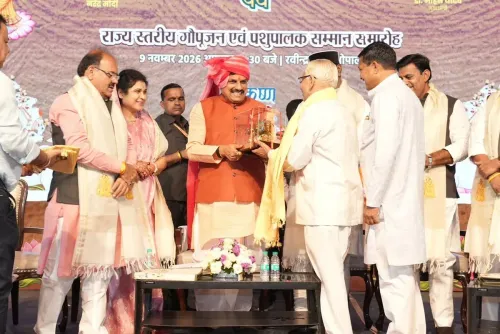
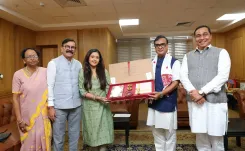
At a state-level Gau-Pujan evam Pashupalak Samman Samaroh (cow-worship and livestock-rearer felicitation ceremony) held in Bhopal, Dr. Yadav transferred the grant amount directly for the upkeep of 5.51 lakh-plus cattle sheltered in those registered gaushalas. The scale is not incidental — Madhya Pradesh's gaushala network is one of the larger state-funded ones in the country, built incrementally since the early 2010s and bolstered after 2014 by the Centre's Rashtriya Gokul Mission, which pushed dairy infrastructure and indigenous-breed conservation at the state level.
The CM framed the outlay in explicitly economic terms: 'Gaupalkan, dharmik aastha hi nahin, balki gramin arthvyavastha aur aatmnirbharta ka mazboot aadhar hai' — 'Cow rearing is not merely religious faith, but a strong foundation of the rural economy and self-reliance.'
Gopal-Krishna Gram Puraskar Yojana: 466 farmers, ₹2.95 crore in prizes
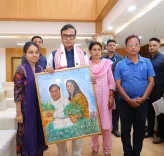
Beyond the gaushala grant, the ceremony doubled as an awards platform. Under the Gopal-Krishna Gram Puraskar Yojana — a state scheme that recognises outstanding animal rearers and gaushala management — 466 exceptional livestock farmers received a combined ₹2.95 crore in prize money. The state's top-10 animal rearers and milk producers were separately honoured on stage, putting a human face on what is otherwise a large bureaucratic transfer.
Shwet Kranti 2.0 and the two-year 'Milk Capital' target
The headline ambition Dr. Yadav articulated is 'Shwet Kranti 2.0' — a sequel to the original White Revolution dairy cooperative push — through which the government intends to position Madhya Pradesh as the country's milk capital within the next two years. The strategy involves strengthening dairy cooperatives, expanding the fleet of Gau-Ambulances for injured or sick cattle, and developing what the CM described as 'modern, self-reliant gaushalas.'
The White Revolution framing is a deliberate callback: India's first Shwet Kranti transformed the country into the world's largest milk producer across several decades, and invoking that lineage signals both the scale of aspiration and the cooperative model the government intends to follow. BJP-ruled states including Uttar Pradesh and Gujarat have deployed similar playbooks — blending cow-protection sentiment with dairy-cooperative economics — but the explicit 'Milk Capital' branding gives Madhya Pradesh a distinctive, measurable target to be held against.
Organic farming and fisheries folded into the rural income push
Dr. Yadav broadened the frame beyond cattle, stating that animal husbandry, fisheries, horticulture, and organic and natural farming are all being promoted together to strengthen annadata (farmers') incomes and the rural economy at large. The bundling reflects a wider state strategy of diversifying agricultural income streams rather than relying on a single commodity — a pattern that resonates with Central government messaging on doubling farmer incomes.
Whether the ₹65.66 crore grant and the Shwet Kranti 2.0 roadmap translate into measurable milk procurement growth and gaushala self-sufficiency will be the real test — and the state has set itself a two-year clock to show results.
Point of View
Giving the government a performance narrative to construct. How robust the cooperative infrastructure actually becomes — not just the grant disbursements — will determine whether this is transformative rural policy or well-packaged festival optics.
NationPress
9 Nov 2026
Frequently Asked Questions
How much money did Madhya Pradesh give to gaushalas on Govardhan Puja 2026?
MP CM Dr. Mohan Yadav transferred ₹65.66 crore to over 3,000 registered gaushalas for the upkeep of more than 5.51 lakh cattle at a state ceremony in Bhopal on 9 November 2026 .
What is the Gopal-Krishna Gram Puraskar Yojana?
It is a Madhya Pradesh government award scheme that recognises outstanding livestock farmers and gaushala managers. This year, 466 farmers received a combined prize money of ₹2.95 crore .
What is Shwet Kranti 2.0 in Madhya Pradesh?
Shwet Kranti 2.0 is an initiative by the Madhya Pradesh government to strengthen dairy cooperatives and expand milk production capacity, with the goal of making the state India's Milk Capital within two years .
How many registered gaushalas are there in Madhya Pradesh?
According to CM Dr. Mohan Yadav's announcement on 9 November 2026 , Madhya Pradesh has over 3,000 registered gaushalas housing more than 5.51 lakh cattle .
What is a Gau-Ambulance and what did MP plan for it?
A Gau-Ambulance is a mobile veterinary-response vehicle for injured or sick cattle. CM Dr. Mohan Yadav announced that the state will increase the number of Gau-Ambulances as part of its broader livestock welfare drive.