CM Conrad Sangma opens bridges, flags off ₹136 Cr road in South Garo Hills
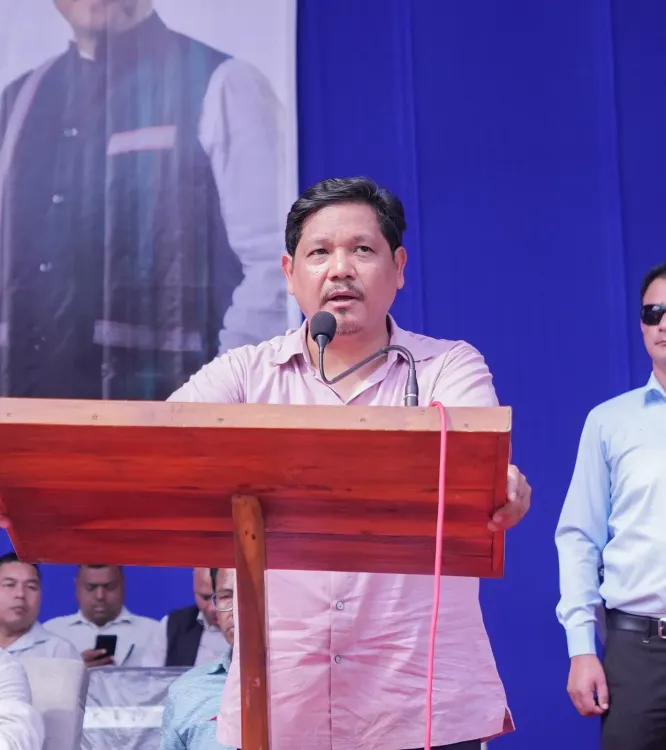
Synopsis
Meghalaya CM Conrad Sangma inaugurated Bridge No. 6/6 on NH 51, the Gonggangre High Level Bridge over the Dareng River, and laid the foundation stone for the ₹136 Crore, 46.08-km Chokpot–Kharukol Road under NESIDS, promising all-weather connectivity to 14 villages and over 330 households in South Garo Hills.
Key Takeaways
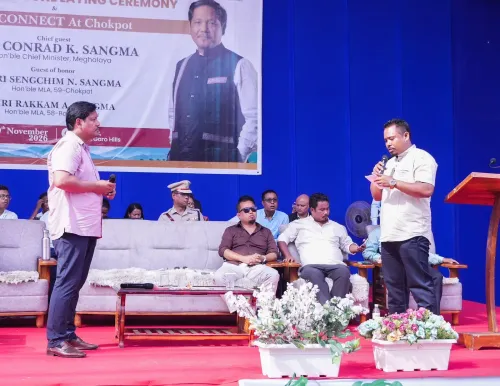
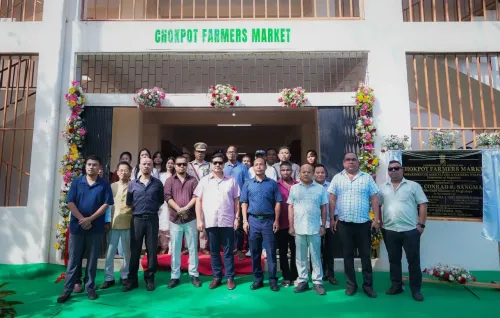
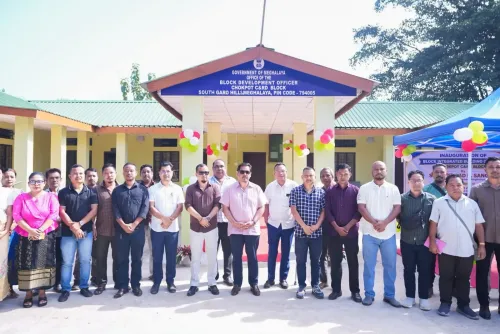
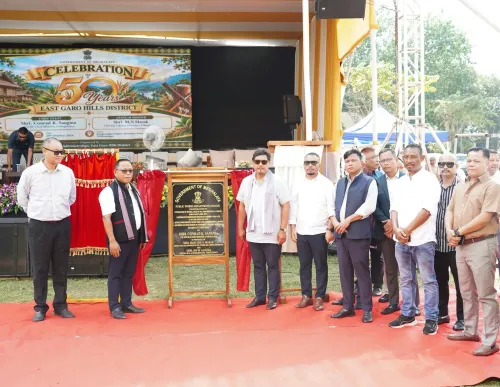
CM Conrad Sangma inaugurated two bridges and laid the foundation stone for the Chokpot–Kharukol Road in South Garo Hills on 9 November 2026 .
6/6 on the NH 51 (Dalwagre)–Chokpot Road strengthens the only surface link between Chokpot and district HQ Tura .
The Gonggangre High Level Bridge over the Dareng River , built at ₹4.79 Crore , will deliver all-weather access to over 330 households across multiple villages.
The ₹136 Crore Chokpot–Kharukol Road , spanning 46.08 km , is funded under the NESIDS scheme and will connect 14 villages with a shorter route to Shillong and Guwahati .
The projects are backed by the Ministry of Development of North Eastern Region (MDoNER) , with Union Minister Jyotiraditya Scindia tagged in the announcement.
The road is expected to improve market access, reduce travel time, and boost tourism potential in South Garo Hills District .
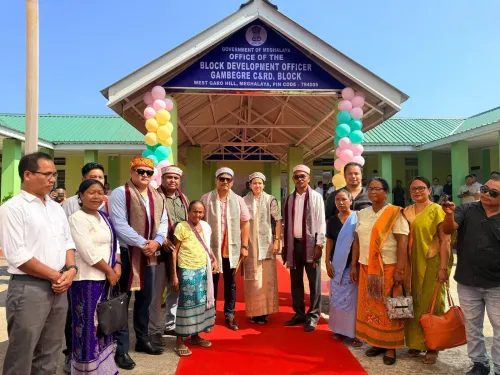
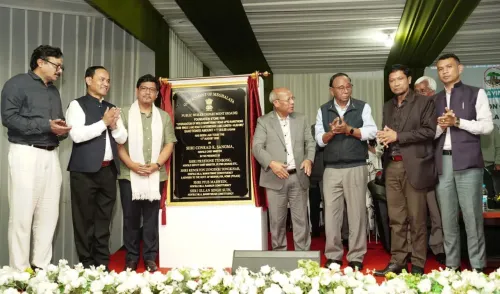
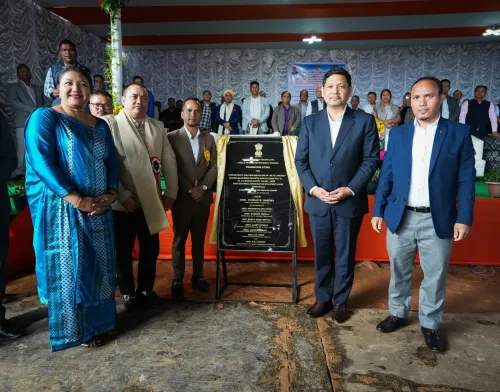
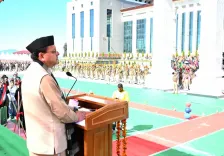
Two new bridges and a ₹136 Crore, 46.08-kilometre road — South Garo Hills just got a connectivity overhaul that its communities have waited years for. Meghalaya Chief Minister Conrad Sangma inaugurated the infrastructure projects on Monday, 9 November 2026, laying the foundation stone for the Chokpot–Kharukol Road and cutting the ribbon on two critical bridge structures in the district.
Bridge No. 6/6: keeping Chokpot's only lifeline open
The first structure — Bridge No. 6/6 on the NH 51 (Dalwagre)–Chokpot Road — is not a bypass or a convenience. It is, as CM Sangma described it, the sole road link connecting Chokpot with the district headquarters of Tura. That single-road dependency has long made the region vulnerable during monsoons and emergencies; this bridge is designed to close that vulnerability.
Gonggangre High Level Bridge: ₹4.79 Crore for 330 households
The second inauguration — the Gonggangre High Level Bridge over the Dareng River, developed at ₹4.79 Crore — directly serves over 330 households spread across several villages. All-weather access, once a seasonal luxury for these communities, is now its stated promise. The bridge is a small-ticket project by infrastructure standards, but for the families on the other side of the Dareng, the numbers are secondary to the daily reality it changes.
The ₹136 Crore Chokpot–Kharukol Road and the NESIDS push in the Northeast
The headline project — the Chokpot–Kharukol Road — runs 46.08 km, will connect 14 villages, and is funded under the North East Special Infrastructure Development Scheme (NESIDS), a central sector programme steered by the Ministry of Development of North Eastern Region (MDoNER). CM Sangma tagged Union Minister Jyotiraditya Scindia and the MDoNER handle in his post, signalling the Centre-state partnership behind the project.
NESIDS was introduced in 2017-18 to plug critical infrastructure gaps across the eight northeastern states, succeeding the earlier NLCPR scheme. The Chokpot–Kharukol corridor fits squarely into that mandate: by offering a shorter surface route toward Shillong and Guwahati, the road is expected to cut travel time, reduce freight costs, and open up access to markets and tourism destinations for communities in South Garo Hills that have historically operated at the edge of the state's connectivity grid.
What these projects mean for South Garo Hills' economy and isolation
South Garo Hills has long sat at the periphery of Meghalaya's road network. Successive state and central governments have prioritised all-weather links in the Garo Hills region to reduce travel time to Tura, Shillong and Guwahati — but progress has been uneven. Three infrastructure announcements on a single day represent a concentrated push that few districts in the region see at once.
For the 14 villages along the new road alignment, the promise extends beyond pavement: shorter routes to markets mean lower spoilage for perishable goods, faster access to hospitals, and a realistic shot at tourism revenue from visitors moving between South Garo Hills and larger urban centres. The bridge over the Dareng River alone transforms the daily calculus for more than 330 households that previously faced seasonal cutoffs.
With the foundation stone laid, the clock on the ₹136 Crore Chokpot–Kharukol corridor now starts — and the region will be watching whether construction timelines hold as closely as the ambition behind them.
Point of View
CM Sangma publicly embeds the NPP-BJP alliance's development optics ahead of potential state-level electoral cycles. NESIDS has become the primary vehicle for Meghalaya's rural connectivity push, and the Chokpot–Kharukol corridor's approval suggests the scheme's annual pipeline is increasingly favouring the historically underserved Garo Hills sub-region. The broader pattern — all-weather roads as a tool to integrate peripheral districts into regional market networks — mirrors Centre-driven Northeast connectivity doctrine, where surface links are framed as both economic and strategic investments.
NationPress
9 Nov 2026
Frequently Asked Questions
What is the Chokpot–Kharukol Road project in Meghalaya?
The Chokpot–Kharukol Road is a 46.08-km, ₹136 Crore road project in South Garo Hills, Meghalaya , funded under the NESIDS scheme. It will connect 14 villages and provide a shorter surface route toward Shillong and Guwahati.
What is NESIDS and how does it fund Northeast road projects?
NESIDS (North East Special Infrastructure Development Scheme) is a central sector scheme introduced in 2017-18 by the Ministry of Development of North Eastern Region (MDoNER) to fund critical roads, bridges and connectivity infrastructure across the eight northeastern states.
What bridges did CM Conrad Sangma inaugurate in South Garo Hills?
CM Conrad Sangma inaugurated Bridge No. 6/6 on the NH 51 (Dalwagre)–Chokpot Road and the Gonggangre High Level Bridge over the Dareng River, built at ₹4.79 Crore , on 9 November 2026 .
How many villages will benefit from the new road in South Garo Hills?
The Chokpot–Kharukol Road will directly connect 14 villages in South Garo Hills, while the Gonggangre High Level Bridge will provide all-weather access to over 330 households across several villages.
Why is South Garo Hills connectivity important for Meghalaya?
South Garo Hills has historically had limited all-weather road links to district headquarters Tura , state capital Shillong , and Guwahati . Better connectivity reduces travel time, cuts freight costs, improves emergency access, and opens up market and tourism opportunities for communities in the district.