CM Mohan Yadav Eyes No. 1 Milk Rank With White Revolution-2
Synopsis
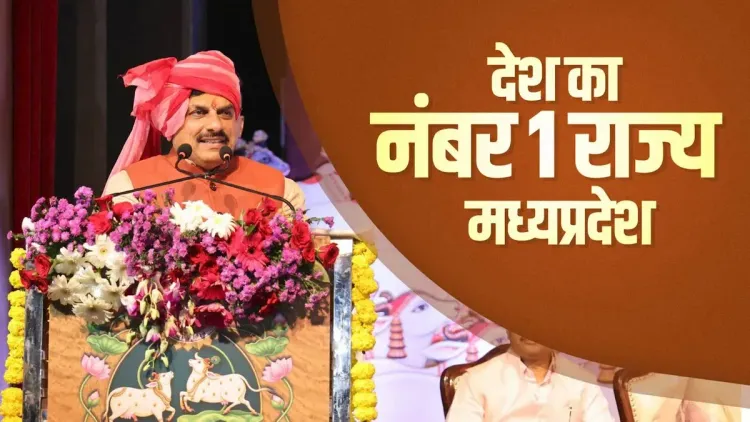
Madhya Pradesh CM Dr. Mohan Yadav declared on 9 November 2026 that the state, currently third in national milk output and a leader in organic farming, will drive White Revolution-2 through indigenous cattle breed improvement to reach the number-one spot in Indian dairy production.
Key Takeaways
Madhya Pradesh currently ranks third nationally in milk production, according to CM Dr.
Mohan Yadav's post on 9 November 2026 .
The state is already described as a national leader in natural and organic farming .
White Revolution-2 is the CM's framing for a new dairy push centred on improving indigenous cattle breeds .
The original Operation Flood (launched 1970 ) made India the world's top milk producer; this initiative aims to replicate that impact at the state level.
The Rashtriya Gokul Mission (started 2014 ) provides an existing national framework for indigenous breed conservation that the state's push can leverage.
Key beneficiaries are dairy farmers and livestock breeders across Madhya Pradesh.
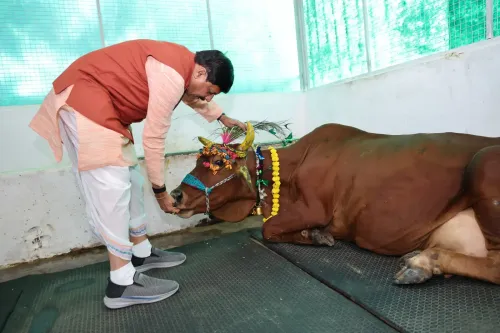
Madhya Pradesh is already the country's leader in natural and organic farming — and Madhya Pradesh Chief Minister Dr. Mohan Yadav is not stopping there. On Monday, 9 November 2026, he announced an ambitious push to vault the state from its current third-place national ranking in milk production to the very top, powered by a targeted drive to improve indigenous cattle breeds under what he is calling Shwet Kranti-2 — White Revolution-2.
From third place to the summit: the dairy ambition
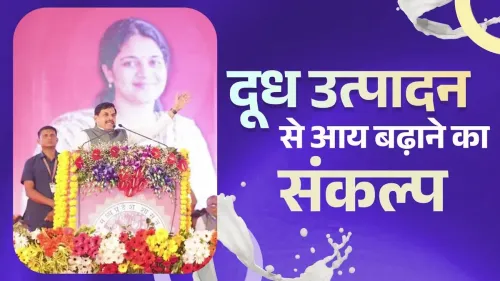
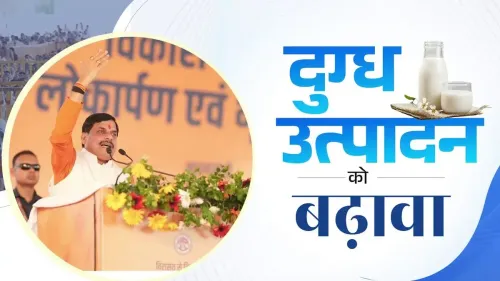
In his post, Dr. Yadav stated plainly: 'Madhya Pradesh prakritik evam jevik kheti mein desh mein agrani evam dugdh utpadan mein teesre sthan par hai' — 'Madhya Pradesh is a national leader in natural and organic farming and stands third in milk production.' The goal, he said, is to accelerate White Revolution-2 by promoting superior indigenous cattle breeds and make Madhya Pradesh number one in milk production across India.
The scale of that leap matters. India is the world's largest milk producer, and competition among states for the top domestic ranking is fierce. Madhya Pradesh staking a claim to first place signals a serious reallocation of political will and state resources toward the dairy sector.
White Revolution-2 and the breed-improvement blueprint
The original White Revolution — better known as Operation Flood, launched in 1970 — transformed India from a milk-deficit nation into the global leader. White Revolution-2, as framed by Dr. Yadav, is not simply a volume play; it is explicitly anchored in improving the genetics of indigenous govansh (cattle). That emphasis dovetails directly with the Rashtriya Gokul Mission, the central scheme started in 2014 to conserve and develop indigenous breeds for higher yields — giving the state's push an existing national policy scaffold to build on.
Improving breed quality is a longer-cycle intervention than simply expanding herd numbers. It requires investment in artificial insemination infrastructure, trained veterinary personnel, and farmer-level awareness — all of which place dairy farmers and livestock breeders at the centre of this agenda.
Organic farming leadership as the other half of the story
Madhya Pradesh's claimed national leadership in natural and organic farming is not incidental to this dairy push — it is the other pillar of the same rural-economy vision. States across India are racing to integrate organic practice with livestock improvement, recognising that the two reinforce each other: healthier land supports healthier animals, and premium organic dairy commands better prices for farmers.
Together, the organic-farming lead and the dairy ambition position Madhya Pradesh as a state betting its agricultural identity on quality and sustainability, not just quantity — a strategic posture that aligns with both national self-reliance goals and rising consumer demand for traceable, clean-label food.
The concrete test of White Revolution-2 will be visible in official milk-production data from the National Dairy Development Board and the Union agriculture ministry in the coming annual cycles. For now, the target has been set loudly and publicly — the clock is running.
Point of View
Lending historical legitimacy to what is essentially a state-level competitive play in dairy rankings. By anchoring the ambition in indigenous breed improvement rather than herd-size expansion, the CM aligns himself with the BJP's longstanding govansh protection and rural-economy narrative while also speaking the language of modern agricultural efficiency. The dual emphasis on organic-farming leadership and dairy ambition positions Madhya Pradesh as a model for integrating sustainable practice with productivity — a template other states will watch. Whether the political declaration translates into measurable output gains will depend heavily on veterinary infrastructure investment and ground-level extension work, neither of which are quick wins.
NationPress
9 Nov 2026
Frequently Asked Questions
What is White Revolution-2 in Madhya Pradesh?
White Revolution-2 is Madhya Pradesh CM Dr. Mohan Yadav's initiative to boost the state's milk production to the national number-one position by promoting superior indigenous cattle breeds, drawing on the legacy of Operation Flood — the original White Revolution launched in 1970.
What is Madhya Pradesh's current milk production ranking in India?
According to CM Dr. Mohan Yadav's post on 9 November 2026, Madhya Pradesh currently ranks third in national milk production, and the state's stated goal is to reach first place.
How is Madhya Pradesh leading in organic farming?
CM Dr. Mohan Yadav described Madhya Pradesh as the national leader in natural and organic farming. The state has been pursuing an integrated approach to sustainable agriculture that combines organic practices with livestock improvement.
What is the Rashtriya Gokul Mission and how does it relate to this push?
The Rashtriya Gokul Mission is a central government scheme launched in 2014 to conserve and develop indigenous cattle breeds for higher milk yields. Madhya Pradesh's White Revolution-2 aligns with this national framework, giving the state's breed-improvement drive additional policy and funding infrastructure.
Who benefits from Madhya Pradesh's dairy expansion plans?
The primary beneficiaries are dairy farmers and livestock breeders across Madhya Pradesh, who stand to gain from improved cattle genetics, better milk yields, and the broader rural income growth that a top national dairy ranking would signal.