CM Bhupendra Patel hosts PM Modi's anti-drug youth drive in Gandhinagar
Synopsis
Prime Minister Narendra Modi virtually launched the 'Nasha Mukt Yuva for Viksit Bharat Sankalp Abhiyan' from Gandhinagar on 2 August 2026, with Gujarat CM Bhupendra Patel hosting the event. The youth-focused anti-drug campaign extends the 2020 Nasha Mukt Bharat Abhiyan and ties substance-abuse prevention to India's Viksit Bharat 2047 goals.
Key Takeaways
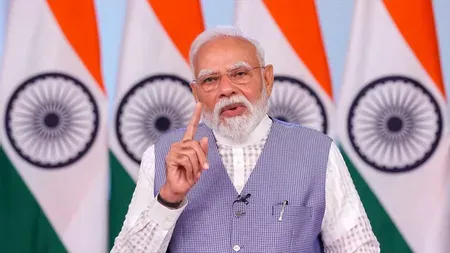
PM Narendra Modi launched the 'Nasha Mukt Yuva for Viksit Bharat Sankalp Abhiyan' virtually on 2 August 2026 .
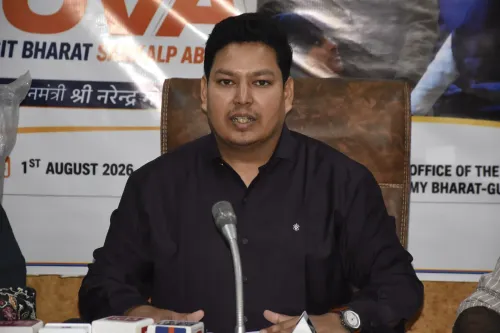
The physical launch event was held in Gandhinagar , hosted by Gujarat CM Bhupendra Patel .
The campaign targets youth substance abuse and links it explicitly to the Viksit Bharat 2047 national development vision.
It builds on the Nasha Mukt Bharat Abhiyan launched in August 2020 by the Ministry of Social Justice and Empowerment.
State governments, including Gujarat, are responsible for district-level rollout through schools, colleges, and local administration.
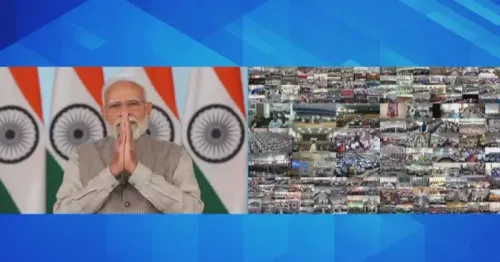
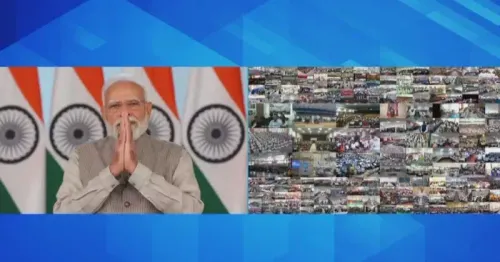
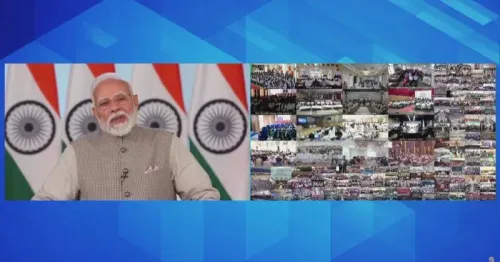
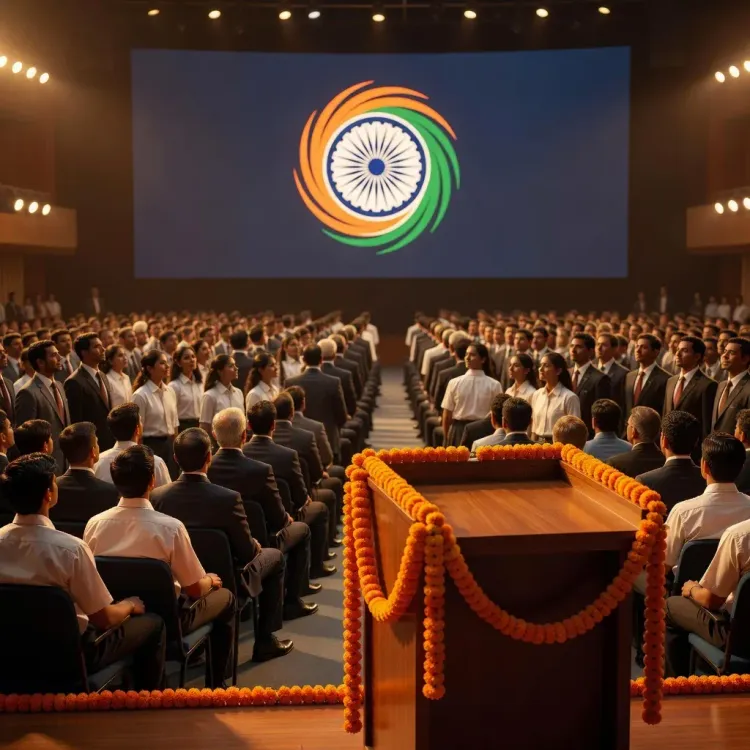
A national pledge against substance abuse took shape in Gandhinagar on Sunday, 2 August 2026, as Prime Minister Narendra Modi virtually launched the 'Nasha Mukt Yuva for Viksit Bharat Sankalp Abhiyan' — a youth-focused anti-drug campaign anchored to India's long-horizon development goals. Gujarat Chief Minister Bhupendra Patel hosted the physical event at the state capital, signalling Gujarat's front-row role in rolling out the initiative.
What the Abhiyan targets — and why youth are at the centre
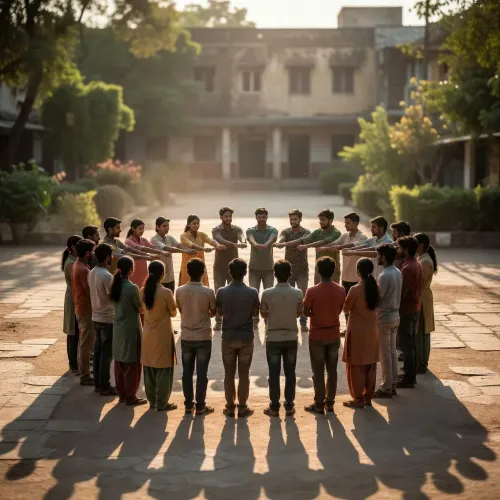
The campaign's name says it plainly: drug-free youth, developed India. It connects two threads the Central government has woven together consistently — curbing substance abuse among young people and channelling that energy toward the Viksit Bharat 2047 vision. The logic is demographic: India's youth bulge is its biggest asset, and addiction is one of the sharpest threats to that dividend.
This initiative builds on the Nasha Mukt Bharat Abhiyan, launched in August 2020 by the Ministry of Social Justice and Empowerment, which established the framework of state-level coordination, community awareness drives, and outreach to schools and colleges. The new 'Sankalp' variant deepens that architecture with an explicit Viksit Bharat framing — tying sobriety to national ambition.
Gandhinagar as the launch pad
Gandhinagar, Gujarat's planned capital, served as the physical anchor for what was a virtual address by the Prime Minister — a format that allows a single launch event to simultaneously activate participation across multiple states. CM Bhupendra Patel's presence at the venue underlines Gujarat's institutional commitment to the campaign's ground-level execution.
State governments are the operational spine of campaigns like these: they coordinate district-level awareness programmes, rope in educational institutions, and mobilise local administration. How swiftly and widely Gujarat — and other states — deploy those mechanisms will determine whether this Abhiyan moves beyond a launch-day headline.
A generation's choices are being contested in real time. The government has placed its bet on a named, nationally branded campaign — now the states must deliver the field work that makes the pledge stick.
Point of View
Aspirational identity rather than a purely prohibitionist one. By using a virtual launch format, PM Modi can activate simultaneous state-level mobilisation without being physically present — a governance style that has become a BJP signature. Gujarat's role as the host state is consistent with its positioning as a model for Central scheme implementation. The real test, as with the 2020 Abhiyan before it, will be whether awareness drives translate into measurable reductions in youth substance abuse at the district level.
NationPress
2 Aug 2026
Frequently Asked Questions
What is the Nasha Mukt Yuva for Viksit Bharat Sankalp Abhiyan?
It is a youth-focused anti-drug campaign launched virtually by Prime Minister Narendra Modi on 2 August 2026 in Gandhinagar, Gujarat. The campaign aims to curb substance abuse among young people and links drug-free living to India's Viksit Bharat 2047 development vision.
Who launched the Nasha Mukt Yuva Abhiyan and where?
Prime Minister Narendra Modi launched the campaign virtually, with the physical event hosted by Gujarat Chief Minister Bhupendra Patel in Gandhinagar on 2 August 2026.
How is this campaign different from the Nasha Mukt Bharat Abhiyan of 2020?
The 2020 Nasha Mukt Bharat Abhiyan, launched by the Ministry of Social Justice and Empowerment, established the foundational framework for anti-drug outreach. The new 'Sankalp' variant explicitly ties the mission to the Viksit Bharat 2047 national development goal, adding an aspirational, youth-empowerment dimension to the earlier campaign.
What is Viksit Bharat 2047?
Viksit Bharat 2047 is the Central government's vision to make India a developed nation by 2047, the centenary of independence. Several welfare and youth-empowerment schemes have been linked to this long-term goal.
What will happen after the launch of the Nasha Mukt Yuva Abhiyan?
State governments are expected to roll out district-level awareness activities through schools, colleges, and local administration. Progress reports from the Ministry of Social Justice and Empowerment will indicate how effectively the campaign is being implemented across states.