Giriraj Singh shares ethanol balance sheet: Rs 1.97 lakh cr forex savings
Synopsis
Union Textiles Minister Giriraj Singh has shared government data showing India's Ethanol Blended Petrol Programme has generated Rs 1.97 lakh crore in foreign exchange savings, while also delivering cheaper petrol — underscoring two decades of progressive blending policy under the National Policy on Biofuels 2018.
Key Takeaways
Union Textiles Minister Giriraj Singh shared government data on 2 August 2026 highlighting the ethanol blending programme's balance sheet.
Cumulative foreign exchange savings cited stand at Rs 1.97 lakh crore under the Ethanol Blended Petrol (EBP) Programme .
The programme also delivers cheaper petrol for consumers by displacing imported crude oil with domestically produced ethanol.
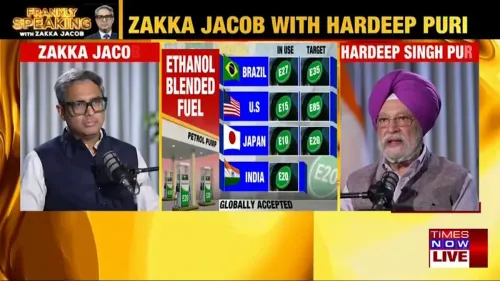
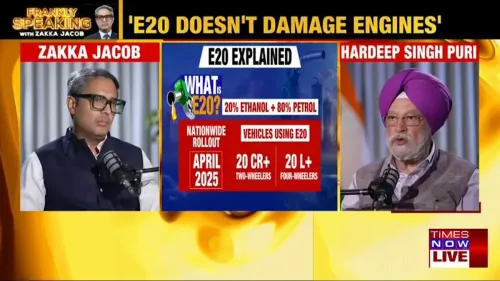
The EBP Programme was launched in 2003 with a 5 percent blending target; the National Policy on Biofuels 2018 set the path toward a 20 percent blending milestone .
India's annual crude oil import bill exceeds $100 billion , making ethanol blending one of the most impactful levers for reducing the forex burden.
Beneficiaries include sugarcane and grain farmers , oil marketing companies, and petrol consumers across India.
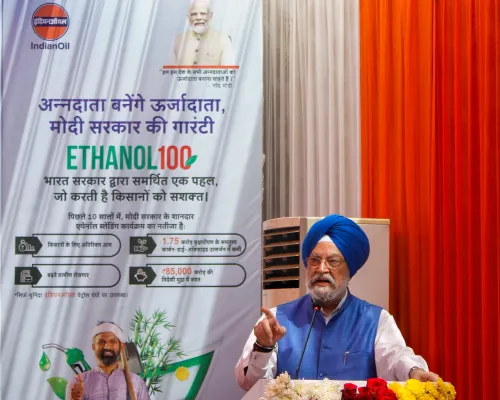
India's ethanol blending push has quietly rewritten the country's energy import bill — and Union Textiles Minister Giriraj Singh put the headline number front and centre on Sunday, 2 August 2026, sharing government data that pegs cumulative foreign exchange savings at Rs 1.97 lakh crore, alongside a tangible benefit for every motorist: cheaper petrol at the pump.
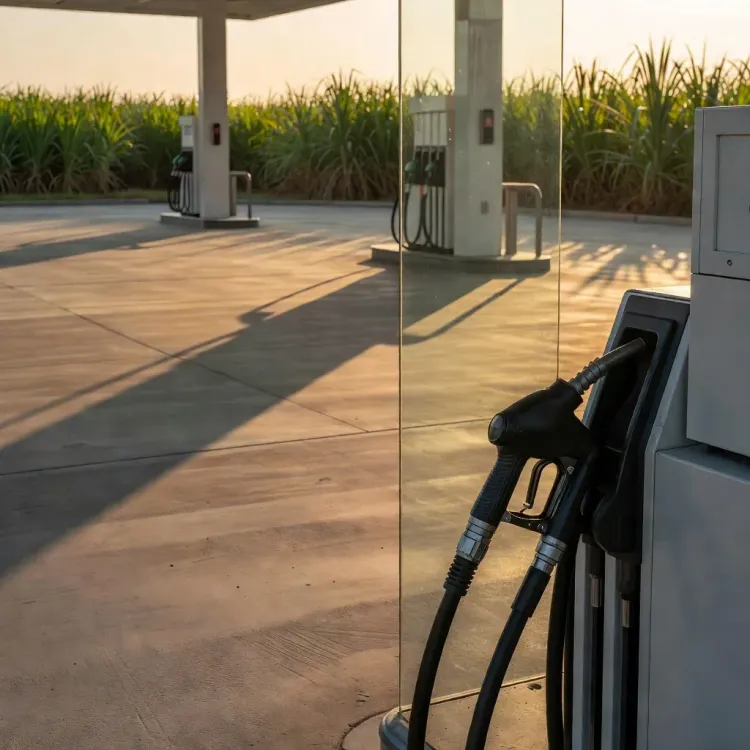
The post amplifies a government accounting of the Ethanol Blended Petrol (EBP) Programme, India's decades-long initiative to mix domestically produced ethanol — derived from sugarcane juice, molasses, and food grains — with petrol, thereby displacing crude oil that must otherwise be purchased in dollars on global markets.
Two decades of blending, one landmark number
The EBP Programme was first launched in 2003 with a modest 5 percent blending target. It remained a slow-burn policy for years, constrained by feedstock availability and supply-chain gaps. The turning point came with the National Policy on Biofuels 2018, which widened the basket of permissible feedstocks and set a roadmap of progressively higher blending targets, with the current administration pushing toward a 20 percent blending milestone. Each percentage point of blending achieved translates directly into fewer barrels of imported crude — and fewer dollars leaving the country. India's annual crude oil import bill routinely exceeds $100 billion, making it one of the largest single drains on the nation's foreign exchange reserves. Ethanol blending chips away at that figure barrel by barrel, and the government's cumulative tally — now cited as Rs 1.97 lakh crore in forex savings — is the programme's most striking advertisement yet.Who gains: farmers, consumers, oil companies
The EBP Programme's beneficiaries span the supply chain. Sugarcane and grain farmers gain a guaranteed offtake channel for surplus produce, smoothing out commodity price cycles. Oil marketing companies reduce their dollar-denominated procurement exposure. And petrol consumers — the most visible constituency — see a direct pass-through in the form of lower pump prices, the 'cheaper petrol' headline the government is now leading with. The Ministry of Petroleum and Natural Gas sets blending targets and monitors the programme's performance, publishing periodic supply reports that track ethanol procurement from distilleries across states. The next annual supply report will be closely watched to see whether the 20 percent blending target is on track — and whether the forex savings figure continues its upward march. For a government that has consistently framed energy security as a pillar of economic sovereignty, a number like Rs 1.97 lakh crore is not just a statistic — it is a political argument, and one that is getting louder.Point of View
The Rs 1.97 lakh crore number stitches together two popular narratives: fiscal prudence and farmer welfare, since distilleries buying ethanol feedstock directly support sugarcane growers. The timing also matters — with global crude prices remaining volatile, a domestic energy security win is a durable political asset. Whether the 20 percent blending target is met on schedule will be the next real test of whether the balance sheet holds.
NationPress
2 Aug 2026
Frequently Asked Questions
What is India's Ethanol Blended Petrol Programme?
India's Ethanol Blended Petrol (EBP) Programme, launched in 2003, mixes domestically produced ethanol from sugarcane and grains with petrol to reduce dependence on imported crude oil and cut the country's foreign exchange outgo.
How much forex has India saved through ethanol blending?
The government has cited cumulative foreign exchange savings of Rs 1.97 lakh crore under the Ethanol Blended Petrol Programme, as shared by Union Textiles Minister Giriraj Singh on 2 August 2026.
Does ethanol blending make petrol cheaper in India?
Yes. By substituting a portion of imported crude-derived petrol with domestically produced ethanol, the blending programme helps lower the cost of petrol at the pump for consumers.
What is India's ethanol blending target?
India is working toward a 20 percent ethanol blending target in petrol. The National Policy on Biofuels 2018 laid out a progressive roadmap of higher blending targets to reach this milestone.
Who benefits from India's ethanol blending programme?
The programme benefits sugarcane and grain farmers through guaranteed ethanol offtake, oil marketing companies through reduced dollar-denominated crude procurement, and petrol consumers through lower pump prices.