CM Siddaramaiah Puts Amicable Cauvery Deal First, Cites Karnataka's Drought
Synopsis
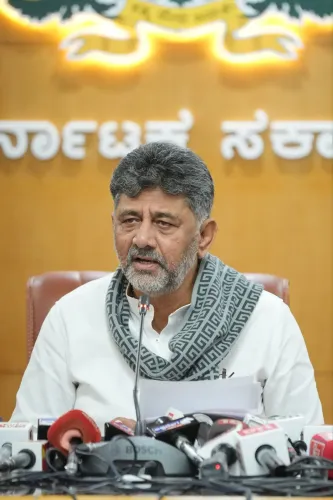
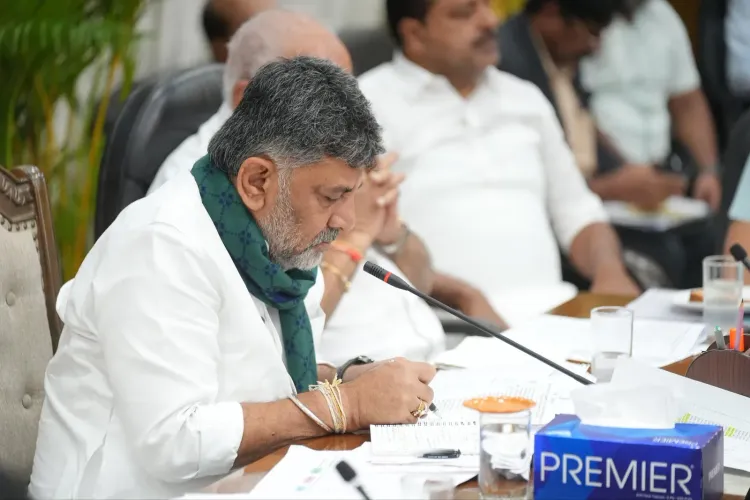
At an all-party meeting on 2 August 2026, Karnataka CM D.K. Shivakumar said the state has appealed against the CWMA's 9.9 TMC Cauvery release order, cited drought conditions, confirmed Kabini reservoir is full, and called for an amicable bilateral resolution with Tamil Nadu.
Key Takeaways
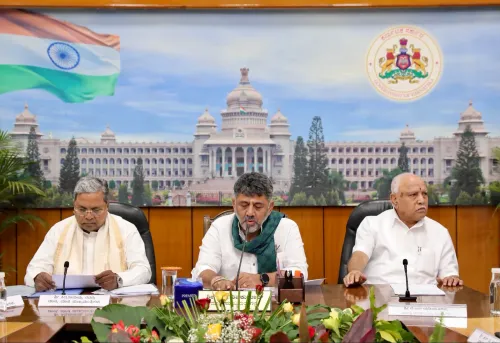
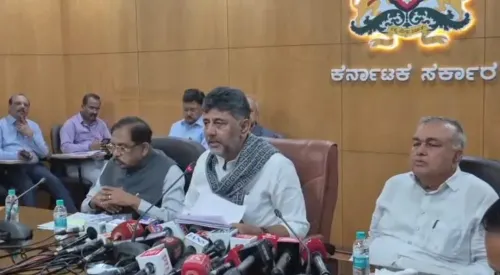
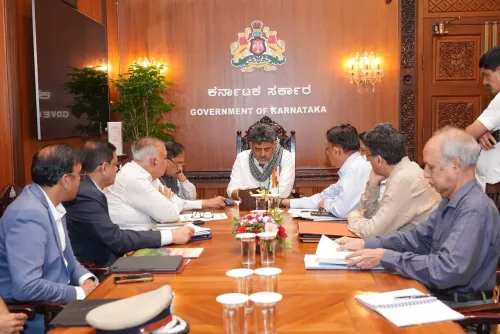
Shivakumar addressed an all-party meeting on Cauvery water at the Home Office, Krishna on 2 August 2026 .
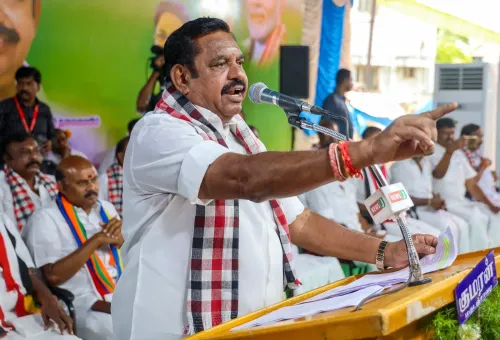
Tamil Nadu CM Vijay indicated readiness for talks; Karnataka asked him to wait until the water situation stabilises.
Karnataka has filed an appeal against the CWMA directive to release 9.9 TMC to Tamil Nadu, citing severe drought.
The Kabini reservoir is at full capacity; 57 TMC is currently available with inflows rising and 3,500 cusecs flowing daily.
Canals from KRS and Kabini have been opened to protect standing crops; drinking water supply is ring-fenced.
Union Jal Shakti Minister C.R.
Patil has backed Karnataka on Cauvery, Krishna allocation, Tungabhadra crest gates, and the river-linking proposal.
With Karnataka's Kabini reservoir brimming full and good rains finally soaking the Kodagu catchment, Chief Minister D.K. Shivakumar struck a carefully calibrated note at an all-party meeting on Sunday, 2 August 2026 — Karnataka wants peace on the Cauvery, but it will not release water it cannot spare while its own farmers and drinkers are still counting every drop.
Tamil Nadu's invitation, Karnataka's condition
Shivakumar told the all-party gathering at the Home Office, Krishna that Tamil Nadu Chief Minister Vijay had signalled willingness to hold bilateral talks on Cauvery water sharing. Karnataka's response was measured: come to the table, but let the situation stabilise first. 'Sauhaardayutavaagi samasyeya bagaharisikol' — 'resolving the dispute amicably' — is the stated priority.
That stance carries real weight right now. The Cauvery Water Management Authority (CWMA), the central body set up in June 2018 to implement the Supreme Court's modified Cauvery award, had directed Karnataka to release 9.9 TMC of water to Tamil Nadu. Karnataka has already filed an appeal against that order, arguing that the state is in the grip of a severe drought and that downstream demands cannot override upstream survival.
What the reservoirs are actually saying
The ground reality is shifting fast. Shivakumar told the meeting that Karnataka's catchment zones are receiving 'good rainfall' and that conditions are improving. The Kabini reservoir is at full capacity; because it cannot absorb additional inflow, water is flowing through naturally. Canals from KRS (Krishna Raja Sagara) and Kabini have already been opened, directly benefiting farmers who had already sown their crops.
The state currently has 57 TMC of water available, with inflows rising. An order to release 3,500 cusecs of Cauvery daily is in force — and with reservoirs overflowing, that water is moving downstream regardless. The Chief Minister was candid: 'We cannot hold the water back.'
Drinking water ring-fenced, farmers told to plan smart
Shivakumar said Karnataka has stockpiled sufficient water to ensure there is no disruption to drinking water supply across the state — that remains the government's first priority. He also recalled that the Prime Minister had earlier issued a drought advisory, on the basis of which he had urged farmers to prioritise drinking water and plan their crop calendar according to actual water availability.
Centre's Jal Shakti hand in multiple river deals
The Chief Minister acknowledged the role of Union Jal Shakti Minister C.R. Patil, saying Patil had extended cooperation to Karnataka at every stage. That support reportedly extends beyond Cauvery: Patil has backed Karnataka's positions on Krishna river water allocation, the restoration of Tungabhadra dam crest gates, the proposed Navile balancing reservoir, and the larger Krishna–Godavari–Cauvery river-linking proposal.
It is a pointed signal — Karnataka is framing its water diplomacy not as a bilateral tussle with Tamil Nadu alone, but as part of a broader, Centre-backed river management architecture.
The appeal against the CWMA's 9.9 TMC directive is now the hinge on which the next chapter turns. If Karnataka's reservoirs keep filling and the appeal holds, Bengaluru may finally negotiate from a position of strength rather than scarcity.
Point of View
Releases only when conditions permit' — is a deft political move that lets Karnataka hold the moral high ground while the appeal buys legal time. By publicly crediting Union Minister C.R. Patil across multiple river files, the Congress-led state government is signalling cross-party pragmatism and building a federal coalition of support, which is unusual in a dispute that typically pits state against Centre. The improving reservoir position gives Bengaluru rare leverage: if the rains hold, Karnataka can negotiate from abundance rather than scarcity for the first time in years. How the CWMA and the Supreme Court respond to the appeal will set the template for interstate water politics in a warming, drought-prone Deccan.
NationPress
2 Aug 2026
Frequently Asked Questions
Why has Karnataka filed an appeal against the CWMA order?
Karnataka filed an appeal against the Cauvery Water Management Authority's directive to release 9.9 TMC to Tamil Nadu, arguing that the state is facing a severe drought and that the order does not adequately account for Karnataka's own drinking water and irrigation needs.
What is the current status of Cauvery reservoirs in Karnataka?
As of 2 August 2026 , the Kabini reservoir is at full capacity and Karnataka has 57 TMC of water available, with inflows rising due to good rainfall in the Kodagu catchment. Water is flowing naturally at 3,500 cusecs daily.
What did Tamil Nadu Chief Minister Vijay say about Cauvery talks?
Tamil Nadu CM Vijay indicated willingness to hold bilateral talks with Karnataka on Cauvery water sharing. Karnataka CM Shivakumar responded by asking him to wait until the water situation in Karnataka stabilises before meeting.
What is the CWMA and what power does it have?
The Cauvery Water Management Authority (CWMA) is a central body constituted in June 2018 under the Inter-State River Water Disputes Act to implement the Supreme Court's modified Cauvery award and oversee daily water releases between Karnataka and Tamil Nadu.
How is Karnataka protecting farmers during the Cauvery dispute?
The Karnataka government has released water into canals from both KRS (Krishna Raja Sagara) and Kabini reservoirs to protect crops already sown by farmers, while also ensuring that drinking water reserves across the state remain unaffected.