CM Bhupendra Patel Launches Namo Swachhata and Amrutpaan Abhiyan in Gujarat
Synopsis
Gujarat Chief Minister Bhupendra Patel launched the Namo Swachhata Abhiyan and Amrutpaan Abhiyan on 1 July 2026, calling cleanliness and health inseparable and urging citizens to sustain hygiene as a daily habit beyond the seven-day campaign, with special focus on mothers and children.
Key Takeaways
Two campaigns launched: CM Bhupendra Patel launched Namo Swachhata Abhiyan and Amrutpaan Abhiyan in Gujarat on 1 July 2026 .
Beyond seven days: CM Patel explicitly stated the Namo Swachhata Abhiyan must not remain limited to its opening seven days but become a year-round daily habit .
Cultural grounding: The drives invoke the Gujarati proverb 'પહેલું સુખ તે જાતે નર્યા' — 'the first happiness is a healthy body' — linking sanitation to tradition.
Central policy lineage: The campaigns extend PM Modi's decade-long agenda including the Swachh Bharat Mission (2014) , Jal Jeevan Mission (2019) , and AMRUT (2015) .
Priority group: CM Patel made a specific call for special efforts for mothers and children's health .
Medical tourism angle: Cleanliness is framed as a competitiveness factor for Gujarat's growing medical tourism sector.
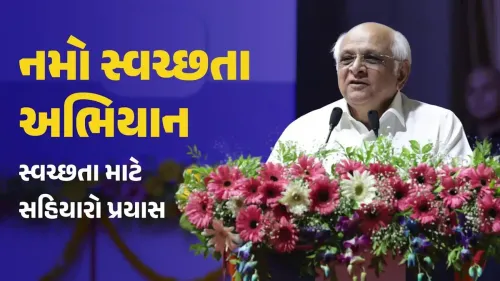
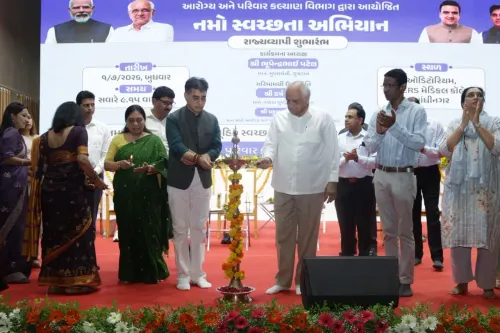
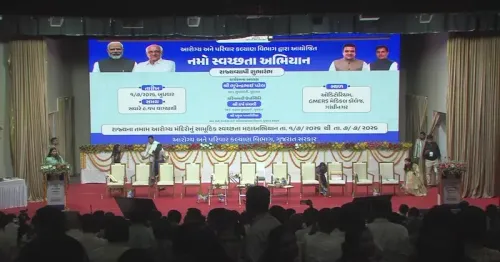
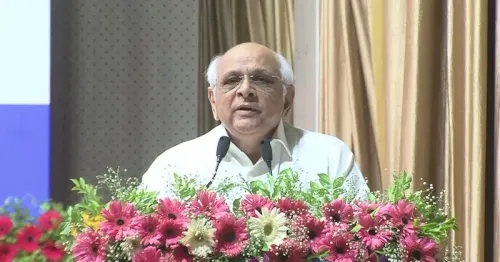
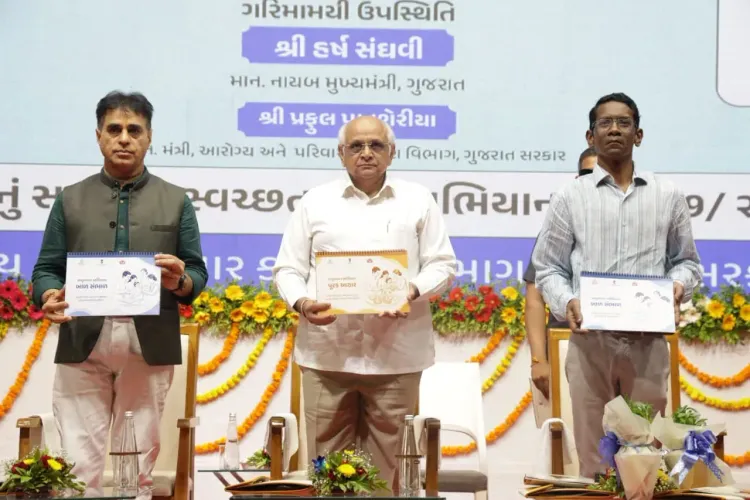
Gujarat Chief Minister Bhupendra Patel on Wednesday, 1 July 2026, launched two public health and sanitation drives — 'Namo Swachhata Abhiyan' and 'Amrutpaan Abhiyan' — calling them a 'confluence of cleanliness and health' and urging every citizen to make hygiene a year-round daily habit rather than a seven-day campaign.
Context
Posting in Gujarati on 1 July 2026, CM Patel framed the two campaigns as inseparable: 'સ્વચ્છતા અને સ્વાસ્થ્ય બંને એકબીજા સાથે અભિન્ન રીતે જોડાયેલા છે' ('Cleanliness and health are inseparably linked and cannot be separated from each other'). He invoked the Gujarati proverb 'પહેલું સુખ તે જાતે નર્યા' — roughly, 'the first happiness is a healthy body' — to anchor the drives in cultural tradition. The Chief Minister was explicit that the Namo Swachhata Abhiyan must not remain confined to its opening seven days but must be woven into citizens' daily behaviour across all twelve months of the year.
Policy Backdrop
The twin campaigns extend the decade-long policy lineage of Prime Minister Narendra Modi's sanitation agenda. CM Patel credited the Prime Minister with a range of citizen-health initiatives — clean drinking water, the national cleanliness mission, freedom from indoor smoke pollution, and yoga promotion — describing them as expressions of the Centre's sustained concern for public wellbeing. The Swachh Bharat Mission, launched in 2014, set the behavioural-change template that Gujarat's new drives now seek to deepen at the state level. Complementary national programmes — the Jal Jeevan Mission (announced 2019) for household tap-water access and AMRUT (initiated 2015) for urban water and sewerage — have already expanded the infrastructure base on which these campaigns operate.
The Amrutpaan Abhiyan (literally, 'campaign for drinking nectar/clean water') sits within this continuum, linking water quality directly to the health outcomes the state is targeting. Together, the two drives represent Gujarat's attempt to translate central government infrastructure investment into lasting citizen habits.
Stakeholders and Impact
CM Patel specifically called for special efforts for the health of mothers and children, signalling that maternal and child health outcomes are a primary metric for the campaigns. Research consistently links household water quality and domestic hygiene to reductions in infant mortality and maternal morbidity, giving the drives measurable public-health stakes beyond visible cleanliness. Gujarat's growing profile as a medical tourism destination adds a second dimension: the Chief Minister noted that visitors from abroad who come to Gujarat for hospital treatment or tourism should be impressed by the state's cleanliness, making sanitation a factor in economic competitiveness as well as public health.
For ordinary Gujarat residents, the campaigns ask for self-motivated civic participation — ensuring that neither their immediate surroundings nor public spaces become sources of filth. The emphasis on individual awareness ('દરેક નાગરિકે સ્વયં જાગૃત થવું પડશે' — 'every citizen must become self-aware') marks a shift from infrastructure-led to behaviour-led governance.
What's Next
The critical test for both campaigns will be sustained citizen engagement after the initial seven-day window closes. Gujarat government reporting on district-level participation rates, household water quality indicators, and open-defecation-free status will signal whether the drives achieve the behavioural permanence CM Patel has set as the benchmark. The explicit focus on mothers and children suggests that health metrics — rather than cleanliness optics alone — will shape how the state ultimately evaluates the campaigns' success. If participation holds beyond the launch phase, the model could inform similar state-level adaptations of central sanitation missions elsewhere in India.
Point of View
Patel adds an economic argument to the moral one, broadening the political constituency for the drives beyond public-health advocates. The invocation of PM Modi's full suite of health initiatives — clean water, sanitation, smoke-free kitchens, yoga — signals coordinated messaging ahead of what may be a broader national campaign cycle. The real test of political will, however, lies in whether the state produces measurable district-level data on sustained participation once the seven-day launch window expires.
NationPress
1 Jul 2026
Frequently Asked Questions
What is the Namo Swachhata Abhiyan in Gujarat?
The Namo Swachhata Abhiyan is a cleanliness campaign launched by Gujarat Chief Minister Bhupendra Patel on 1 July 2026 , aimed at making hygiene a permanent daily habit for all citizens rather than a time-limited drive.
What is the Amrutpaan Abhiyan?
The Amrutpaan Abhiyan is a companion campaign launched alongside the Namo Swachhata Abhiyan, focused on clean drinking water and its direct link to public health, particularly for mothers and children in Gujarat .
How long will the Namo Swachhata Abhiyan run?
While the campaign began with a seven-day drive, CM Patel has stated it must not remain limited to seven days and should instead become a year-round daily practice for every Gujarat citizen.
How is Gujarat's cleanliness drive connected to Swachh Bharat Mission?
The Gujarat campaigns extend the Swachh Bharat Mission launched nationally in 2014 by PM Modi, deepening its behavioural-change goals at the state level and complementing related central schemes like the Jal Jeevan Mission and AMRUT .
Why does Gujarat link cleanliness to medical tourism?
CM Patel noted that international visitors who come to Gujarat for hospital treatment or tourism should be impressed by the state's cleanliness, positioning sanitation as a factor in Gujarat's competitiveness as a medical tourism destination.