CM Bhupendra Patel Reviews Flood Relief in Ahmedabad
Synopsis
Gujarat Chief Minister Bhupendra Patel visited flood-affected areas of Bopal, Ambli and Ghuma in Ahmedabad on 24 July 2026, reviewed relief operations with AMC and police officials, and ordered war-footing action to drain waterlogged zones and prioritise post-flood sanitation.
Key Takeaways
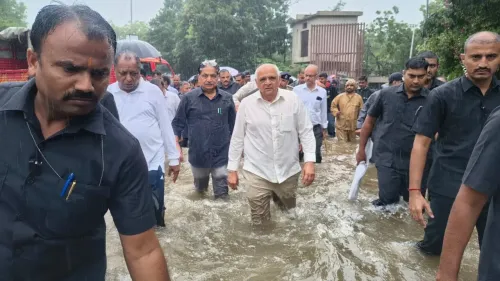
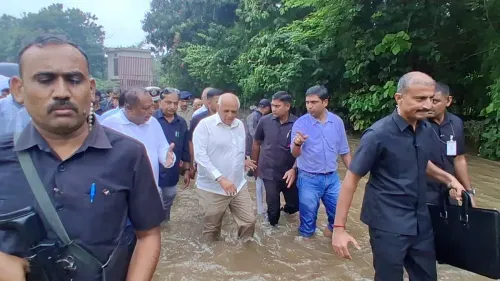
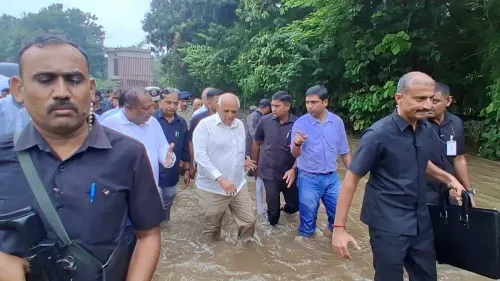
CM Bhupendra Patel personally visited flood-hit Bopal , Ambli , and Ghuma in Ahmedabad on 24 July 2026 .
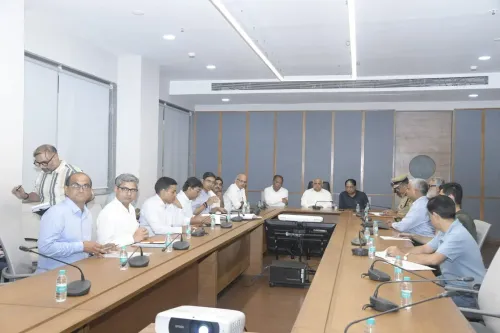
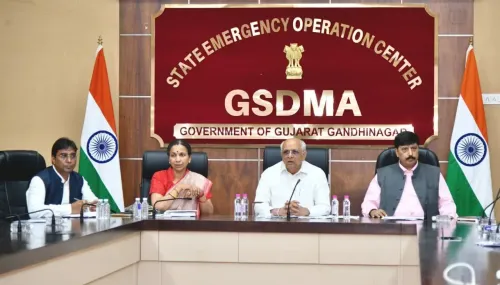
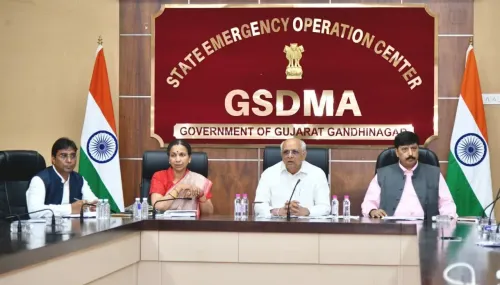
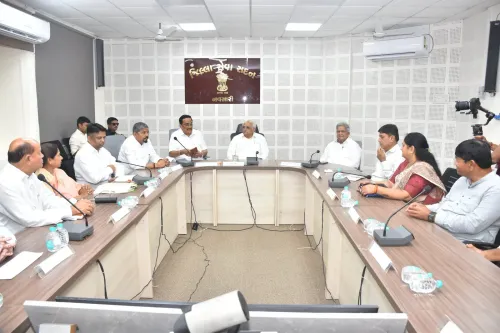
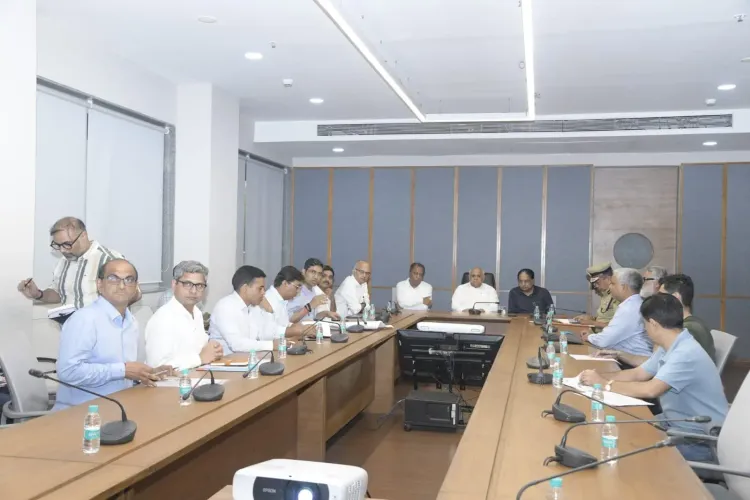
A review meeting was held with AMC and police officials to assess relief and rescue operations.
The Chief Minister directed agencies to work on a 'war footing' to drain waterlogged areas and resolve citizen hardships swiftly.
Post-flood sanitation and public health measures in affected localities were flagged as a top priority once waters recede.
The response follows the institutional framework of the Gujarat State Disaster Management Authority , established in 2001 .
Western Ahmedabad suburbs including Bopal and Ambli face recurring waterlogging challenges during the monsoon season.
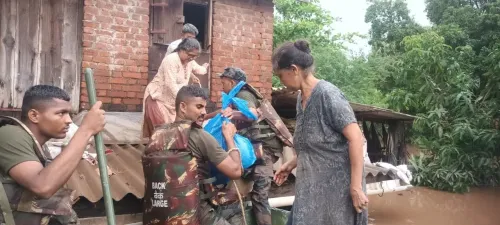
Gujarat Chief Minister Bhupendra Patel on Friday, 24 July 2026, visited flood-hit localities of Bopal, Ambli, and Ghuma in Ahmedabad before convening a review meeting with officials from the Ahmedabad Municipal Corporation (AMC) and the police to assess ongoing relief and rescue operations triggered by heavy monsoon rainfall across the city.
Context
Heavy rainfall lashed Ahmedabad in the days leading up to 24 July 2026, causing significant waterlogging across several western and peripheral suburbs. Bopal, Ambli, and Ghuma — localities on the city's western fringe — were among the worst affected, with standing water disrupting daily life for residents and straining civic infrastructure.
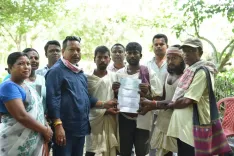
Chief Minister Patel conducted ground-level inspections of these areas before returning to chair a multi-department coordination meeting. He directed authorities to undertake relief work 'yuddhna dharane' (on a war footing) and to accelerate efforts to drain waterlogged areas and address citizen hardships without delay.
Policy Backdrop
The Gujarat State Disaster Management Authority, established in 2001, provides the institutional framework for coordinating flood and calamity responses across the state. Successive Gujarat governments have followed a pattern of on-site reviews and inter-departmental coordination during the monsoon season to manage urban waterlogging in Ahmedabad and other cities.
The Ahmedabad Municipal Corporation is the primary civic body responsible for drainage infrastructure, water management, and municipal relief operations within the city. Its officials were present at the review meeting convened by the Chief Minister to take stock of the situation and receive operational directives.
Stakeholders and Impact
Residents of Bopal, Ambli, Ghuma, and other affected localities across Ahmedabad are the most directly impacted, facing disrupted mobility, property damage, and health risks associated with stagnant water. The AMC, police, and allied civic departments have been placed on an emergency operational footing to respond to distress calls and clear waterlogged zones.
Chief Minister Patel specifically emphasised that once floodwaters recede, sanitation and public health measures in affected areas must be treated as a priority. This directive is aimed at preventing the outbreak of water-borne diseases — a common secondary concern following urban flooding during the monsoon.
What's Next
Authorities are expected to fast-track drainage clearance operations across the identified localities while simultaneously preparing sanitation and health drives for the post-flood phase. The Chief Minister's instructions signal that state and municipal machinery will remain on heightened alert through the remainder of the monsoon season.
Longer-term, the recurrence of waterlogging in Ahmedabad's western suburbs each monsoon points to the need for sustained investment in drainage infrastructure upgrades — a matter that civic planners and the AMC are likely to face renewed pressure to address in the coming months.
Point of View
The recurring nature of waterlogging in Bopal, Ambli and Ghuma signals that reactive monsoon responses have yet to translate into durable drainage infrastructure reform. The political calculus is clear: swift, visible relief management in an urban centre like Ahmedabad carries significant electoral and administrative credibility for the ruling dispensation.
NationPress
24 Jul 2026
Frequently Asked Questions
Why did CM Bhupendra Patel visit Bopal, Ambli and Ghuma in Ahmedabad?
Chief Minister Bhupendra Patel visited these localities on 24 July 2026 because they were among the worst-affected areas following heavy monsoon rainfall that caused widespread waterlogging across Ahmedabad.
What instructions did Gujarat CM give to AMC after the flood review meeting?
CM Patel directed the Ahmedabad Municipal Corporation and police to work on a war footing to drain waterlogged areas, resolve citizen hardships swiftly, and prioritise sanitation and public health operations once floodwaters recede.
Which areas of Ahmedabad were flooded in July 2026?
Bopal, Ambli, and Ghuma — western and peripheral suburbs of Ahmedabad — were among the localities significantly impacted by waterlogging following heavy rainfall in July 2026.
What is the role of the Ahmedabad Municipal Corporation in flood relief?
The AMC is the primary civic body responsible for drainage, water management and municipal relief in Ahmedabad. Its officials participated in the review meeting chaired by CM Patel and are executing relief and rescue operations on the ground.
Does Gujarat have a disaster management authority for flood response?
Yes. The Gujarat State Disaster Management Authority was established in 2001 to coordinate responses to floods and other calamities across the state, providing the institutional backbone for relief operations.