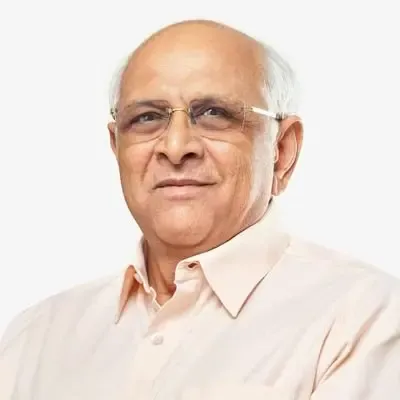
CM Bhupendra Patel Slams Opposition's U-Turn on Voter Roll Revision
Synopsis
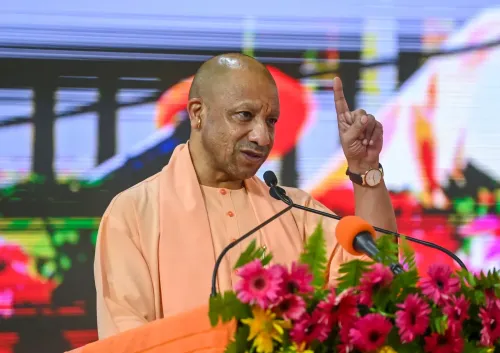
Gujarat Chief Minister Bhupendra Patel on October 14, 2026 accused the opposition of hypocrisy for opposing the Election Commission of India's Special Intensive Revision, a door-to-door voter roll clean-up the same leaders had previously demanded.
Key Takeaways
Gujarat CM Bhupendra Patel posted on October 14, 2026 calling out the opposition's reversal on electoral roll revision.
The Election Commission of India launched a nationwide Special Intensive Revision (SIR) to remove deceased, duplicate, and migrated voter entries.
Patel argued that opposition leaders had previously demanded exactly this kind of voter-list clean-up, making their current objections contradictory.
The SIR includes structured appeal mechanisms and doorstep verification to protect genuine voters from wrongful deletion.
The Election Commission has conducted similar Special Summary Revisions in past cycles, including 2018–2019 , ahead of major elections.
CM Patel framed electoral accuracy as 'a victory for every honest citizen' and called the opposition's stance 'opportunistic politicization.'
When the Election Commission of India launched a door-to-door Special Intensive Revision (SIR) to clean up voter rolls — removing deceased, duplicate, and migrated entries — it was doing precisely what opposition leaders had long demanded. That contradiction is now the centre of a sharp political broadside from Gujarat Chief Minister Bhupendra Patel, who called out the reversal on Wednesday, October 14, 2026.
The U-Turn That Sparked the Charge
CM Patel's argument is pointed and sequential: senior opposition voices had, not long ago, repeatedly flagged discrepancies in voter rolls and demanded that bogus names and duplicate entries be purged to protect electoral sanctity. Now, with the Election Commission running a statutory, structured exercise to do exactly that, those same leaders have mounted what Patel calls 'an unnecessary uproar.'
'One cannot demand pure, error-free voter lists and simultaneously oppose the statutory mechanism designed to achieve it,' he wrote. The framing is deliberate — it places the opposition in the position of arguing against their own earlier position.
What the SIR Actually Does
The Special Intensive Revision is a nationwide, doorstep verification exercise conducted by the Election Commission of India, a constitutional authority with mandate over the superintendence and control of all elections. The process targets deceased entries, migrant names, and duplicate registrations — chronic problems that have drawn criticism from across the political spectrum in previous election cycles, including during the 2018–2019 revision rounds.
Crucially, the SIR includes structured appeal mechanisms so that genuine voters who may be inadvertently flagged can contest removal. CM Patel emphasised this safeguard: 'With structured appeal mechanisms and doorstep verification in place, genuine voters remain fully protected.'
Consistency as the Political Test
The broader argument Patel is making goes beyond this specific exercise. He frames it as a test of democratic consistency — whether a party's commitment to electoral integrity is principled or purely tactical. 'Democratic integrity demands consistency and adherence to facts, not opportunistic politicization,' he posted. 'An accurate voter list is a victory for every honest citizen.'
Indian political discourse has long cycled through mutual accusations on voter roll accuracy, with demands for clean lists surfacing reliably before major elections and fading just as reliably when the process inconveniences one side. Patel's post plants a marker: the BJP intends to hold the opposition to its own prior record on this issue.
With the SIR still in progress and the possibility of court petitions on the horizon, this debate is far from settled — but the terms have now been set publicly and on the record.
Point of View
Using the opposition's own historical record as the weapon. The argument is structurally strong — if past demands for voter-list cleaning can be documented, the current resistance becomes difficult to justify on principle. This fits a broader BJP pattern of pre-empting electoral-process disputes by locking in the narrative of institutional legitimacy early. The real test will come if court challenges or SIR completion reports surface data that complicates the clean-up story.
NationPress
14 Oct 2026
Frequently Asked Questions
What is the Special Intensive Revision (SIR) of voter rolls?
The Special Intensive Revision is a door-to-door verification exercise conducted by the Election Commission of India to clean electoral rolls by removing deceased voters, duplicate entries, and migrated names, while enrolling eligible citizens who may have been missed.
Why is Gujarat CM Bhupendra Patel criticising the opposition over voter rolls?
CM Patel argues that opposition leaders who previously demanded clean, error-free voter lists are now opposing the Election Commission's SIR — the very mechanism designed to achieve that goal — which he calls an opportunistic and contradictory stance.
Does the SIR protect genuine voters from being wrongly removed?
According to CM Patel and the process design, yes. The SIR includes structured appeal mechanisms and doorstep verification so that genuine voters who are flagged in error can contest their removal.
Has the Election Commission done this kind of voter roll revision before?
Yes. The Election Commission of India has conducted multiple rounds of Special Summary Revision of electoral rolls ahead of general and assembly elections in previous cycles, including in 2018–2019 .
What happens after the Special Intensive Revision is completed?
The Election Commission is expected to publish progress and completion reports on the SIR. Any disputes over deletions or enrolments can potentially be challenged through the appeal mechanisms built into the process or through courts.