CM Bhupendra Patel Visits Banaskantha, Reviews Back to School Mission
Synopsis
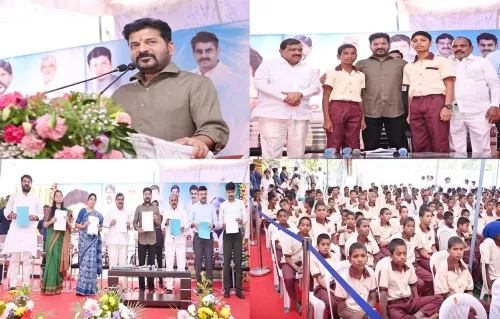
Gujarat CM Bhupendra Patel visited Teniwada in Banaskantha on 11 July 2026, meeting re-enrolled children, parents, and mentors under the Back to School Mission. He said over 29,000 children have been brought back to school in Banaskantha alone and urged all parents to ensure regular attendance, with special focus on girls' education.
Key Takeaways
Gujarat CM Bhupendra Patel visited Teniwada, Banaskantha on 11 July 2026 to interact with children re-enrolled under the Back to School Mission.
A district-wide survey in Banaskantha has facilitated the re-enrollment of more than 29,000 children in schools so far.
The Back to School Mission targets dropout children and brings them back into the formal education mainstream through community surveys and mentorship.
CM Patel placed special emphasis on girls' education , linking the initiative to PM Modi's vision that no child should be deprived of schooling.
The Chief Minister made a direct appeal to parents to ensure their children attend school regularly.
The mission aligns with the Right to Education Act, 2009 and the centrally sponsored Beti Bachao Beti Padhao scheme.
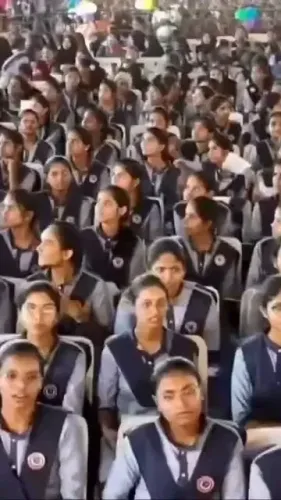
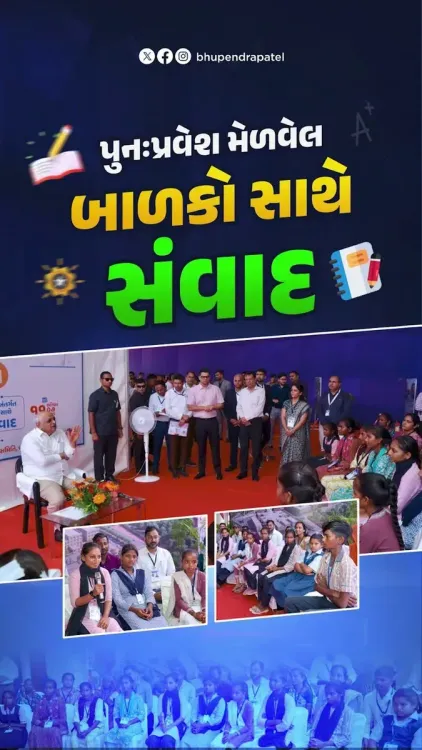
Gujarat Chief Minister Bhupendra Patel on Saturday, 11 July 2026, visited Teniwada in Banaskantha district and held a direct interaction with children who have been re-enrolled in school under the state government's 'Back to School Mission', along with their parents and mentors. The Chief Minister said the enthusiasm of children returning to classrooms after dropping out filled him with immense joy. He reaffirmed the government's resolve to ensure no child is left out of the education system, with special emphasis on girls' education.
Context
Posting on X in Gujarati, CM Patel wrote: 'Shikshan e samajna sarvangee vikasno payo chhe' — 'Education is the foundation of the all-round development of society.' He described the Back to School Mission as a concerted effort to bring dropout children back into the mainstream of formal education. The Chief Minister noted that a comprehensive survey conducted across Banaskantha district has so far resulted in the re-enrollment of more than 29,000 children in schools, calling it a commendable achievement.
Patel also made a personal appeal to parents across Gujarat, urging them to ensure their children attend school regularly. 'Come, let us all participate in brightening the lives of innocent children,' he wrote.
Policy Backdrop
The Back to School Mission is Gujarat's state-level initiative to identify school dropouts through district-wide surveys and facilitate their re-entry into the formal education system. The drive aligns with the Right to Education Act, 2009, which mandates free and compulsory education for children aged 6 to 14 and places an obligation on states to reduce dropout rates.
CM Patel cited Prime Minister Narendra Modi's stated resolve that 'no child should be deprived of education,' anchoring the state campaign within the broader national vision. The post specifically highlighted girls' education as a priority area, echoing the objectives of the centrally sponsored Beti Bachao Beti Padhao scheme launched in 2015, which targets gender gaps in school enrollment and retention.
Gujarat has historically aligned its state education campaigns with national goals of universal elementary education, using community outreach and local surveys to address dropout spikes — a pattern that intensified following post-pandemic disruptions to schooling.
Stakeholders and Impact
The primary beneficiaries of the mission are dropout children — particularly girls — in rural and semi-urban pockets of Gujarat. Banaskantha, a district in northern Gujarat with a significant tribal and agrarian population, has been a focus area given its historically higher dropout rates compared to more urbanised districts.
Parents, community mentors, and local school administrators are key actors in the re-enrollment process. By meeting these stakeholders directly at Teniwada, the Chief Minister signalled that political leadership is actively monitoring ground-level execution rather than leaving implementation solely to the bureaucracy. The involvement of mentors suggests a structured support system to prevent re-enrolled children from dropping out again.
What's Next
The government's stated intent is to extend the mission's reach beyond Banaskantha to other districts across the state. Observers will watch for the release of the next annual school education survey data, which will indicate whether re-enrollment numbers translate into sustained attendance and learning outcomes. State budget allocations for expanding the Back to School Mission to additional districts will be a key indicator of the administration's long-term commitment to closing Gujarat's dropout gap — especially for girls.
Point of View
Not merely an administrative metric. By citing PM Modi's universal education mandate and foregrounding girls' schooling, the state is tying a ground-level welfare drive to the national Beti Bachao Beti Padhao narrative — useful optics ahead of any electoral cycle. The 29,000 re-enrollment figure from a single district, if sustained across Gujarat, would represent a meaningful dent in the state's dropout numbers, but the real test lies in retention rates and learning outcomes rather than re-entry headcounts. The emphasis on mentors and parental accountability suggests the administration is aware that enrollment without follow-through has historically been the weak link in such missions.
NationPress
11 Jul 2026
Frequently Asked Questions
What is the Back to School Mission in Gujarat?
The Back to School Mission is a Gujarat government initiative that identifies children who have dropped out of school through district-level surveys and facilitates their re-enrollment into the formal education system, with support from mentors and community outreach.
How many children were re-enrolled in Banaskantha under this mission?
According to CM Bhupendra Patel's post on 11 July 2026, more than 29,000 children have been re-enrolled in schools in Banaskantha district following a comprehensive survey.
Why did CM Bhupendra Patel visit Banaskantha?
CM Patel visited Teniwada in Banaskantha to hold a direct interaction with children who have been re-enrolled in school, along with their parents and mentors, as part of the Back to School Mission.
What is the focus on girls' education in Gujarat's Back to School Mission?
CM Patel stated that the government is placing special emphasis on girls' education as part of the mission, aligning with PM Modi's vision that no child — especially girls — should be deprived of schooling, echoing the goals of the central Beti Bachao Beti Padhao scheme.
Which law mandates reducing school dropout rates in India?
The Right to Education Act, 2009 mandates free and compulsory education for children aged 6 to 14 and requires state governments to take steps to reduce dropout rates and ensure universal enrollment.