CM Fadnavis flags off Bodhgaya Darshan Yatra for 800 seniors

Synopsis
Maharashtra Chief Minister Devendra Fadnavis flagged off the Bodhgaya Darshan Railway Yatra in Nagpur on 11 July 2026, dispatching 800 senior citizens on a state-sponsored pilgrimage under the Mukhyamantri Tirtha Darshan Yojana — a scheme designed to remove financial and logistical barriers for elderly pilgrims.
Key Takeaways
800 senior citizen pilgrims from Maharashtra departed for Bodhgaya, Bihar on 11 July 2026 under the state-sponsored Bodhgaya Darshan Railway Yatra.
The yatra is part of the Mukhyamantri Tirtha Darshan Yojana , a Maharashtra government scheme covering travel costs for senior citizens to pilgrimage sites.
CM Devendra Fadnavis flagged off the train in Nagpur , describing the scheme as fulfilling lifelong dreams of elderly citizens held back by cost or mobility constraints.
The flag-off was attended by Minister Sanjay Shirsat , MoS Ashish Jaiswal , three MLAs, and Nagpur Mayor Neetatai Thakre .
Similar senior-citizen pilgrimage subsidy schemes have been implemented by BJP-led state governments , including Madhya Pradesh , since the early 2010s.
Bodhgaya is the Buddhist pilgrimage site in Bihar where Gautam Buddha attained enlightenment under the Bodhi tree .
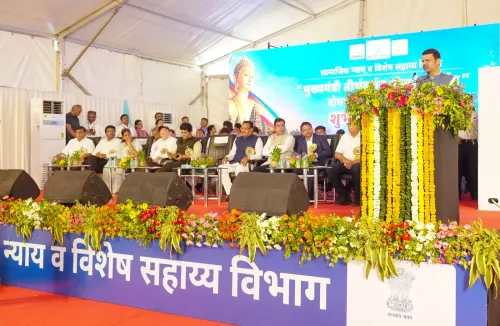
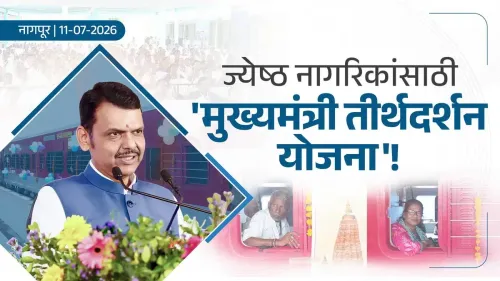
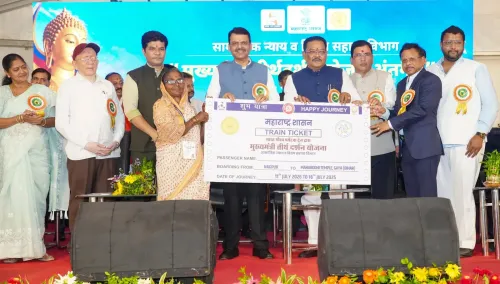
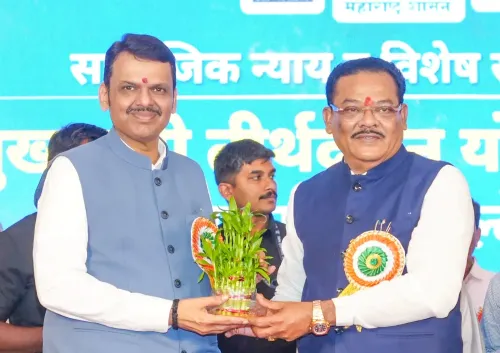
Maharashtra Chief Minister Devendra Fadnavis on Saturday, 11 July 2026, flagged off the Bodhgaya Darshan Railway Yatra under the state's Mukhyamantri Tirtha Darshan Yojana, sending 800 senior citizen pilgrims on a state-sponsored journey to one of Buddhism's holiest sites in Bihar.
Context
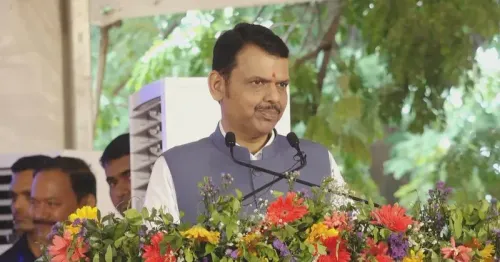
Posting on X, Fadnavis described the flag-off as 'fulfilling lifelong dreams, one sacred journey at a time.' He noted that Bodhgaya is the land where Bhagwan Gautam Buddha attained enlightenment under the Bodhi tree, calling it a place of 'timeless thoughts of peace and compassion.' The Chief Minister added that he had personally experienced the 'profound, divine energy' of Gaya during a visit in 2020, making the occasion personally significant for him.
The event was held in Nagpur and attended by Minister Sanjay Shirsat, Minister of State Adv. Ashish Jaiswal, MLA Krishna Khopde, MLA Sameer Meghe, MLA Charansing Thakur, and Nagpur Mayor Neetatai Thakre, among other dignitaries.
Policy Backdrop
The Mukhyamantri Tirtha Darshan Yojana is a Maharashtra government welfare scheme designed to enable senior citizens to undertake pilgrimage journeys to sacred sites across India at state expense. Fadnavis stated the scheme was launched 'specifically for our senior citizens who have always held a lifelong desire to visit such sacred pilgrimage sites but were held back by personal challenges or a lack of travel facilities.'
Similar tirtha yatra programmes have been active in other BJP-governed states, notably Madhya Pradesh, since the early 2010s. Maharashtra's adoption of this model fits a broader pattern of state governments using subsidised religious travel as a social-security instrument for elderly citizens. The Nagpur-based launch reflects the scheme's regional rollout across Maharashtra's administrative divisions.
Stakeholders and Impact
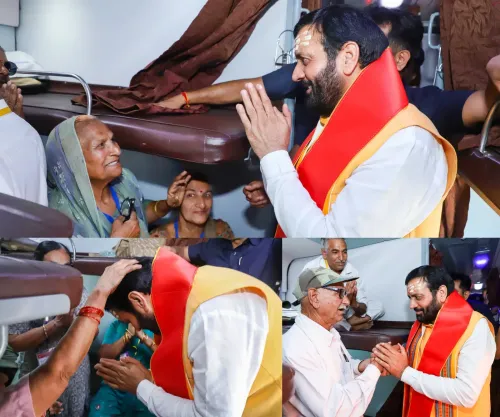
The immediate beneficiaries are the 800 pilgrims departing on this yatra, with the scheme addressing two key barriers — mobility and cost — that have historically prevented many seniors from visiting sites such as Bodhgaya. For many participants, the journey represents a decades-long aspiration made possible through state support.
The programme also carries significance for Bodhgaya as a domestic pilgrimage destination, potentially boosting footfall and the local economy in Bihar. Broader beneficiaries include Maharashtra's senior citizen population, who gain access to a structured, state-backed travel mechanism for religious tourism across the country.
What's Next
Attention will now turn to subsequent yatras planned under the Mukhyamantri Tirtha Darshan Yojana to other pilgrimage sites beyond Bodhgaya. Any supplementary budget allocations, eligibility expansions, or new destination announcements in the forthcoming Maharashtra legislative session will indicate how ambitiously the government intends to scale the programme. The Bodhgaya leg sets a visible precedent that could accelerate demand from senior citizens in other districts of the state.
Point of View
Fadnavis adds an emotive, experiential dimension that elevates the event beyond routine scheme administration. The Nagpur-centric rollout also signals the administration's intent to demonstrate grassroots delivery in the Chief Minister's own political base. How quickly the scheme scales to other sites and districts will test whether this is a sustained welfare commitment or a high-visibility pilot.
NationPress
11 Jul 2026
Frequently Asked Questions
What is the Mukhyamantri Tirtha Darshan Yojana in Maharashtra?
The Mukhyamantri Tirtha Darshan Yojana is a Maharashtra government welfare scheme that sponsors senior citizens to undertake pilgrimage journeys to sacred sites across India, covering travel costs and logistics so that financial or mobility constraints do not prevent elders from visiting places of religious significance.
How many pilgrims travelled to Bodhgaya under the Maharashtra yatra scheme?
According to CM Devendra Fadnavis's post on 11 July 2026, 800 pilgrims departed for Bodhgaya under the Bodhgaya Darshan Railway Yatra on that date.
Why is Bodhgaya significant as a pilgrimage site?
Bodhgaya, located in Bihar, is the site where Gautam Buddha attained enlightenment under the Bodhi tree. It is one of the most sacred destinations in Buddhism and draws pilgrims and tourists from across India and the world.
Who attended the Bodhgaya yatra flag-off event in Nagpur?
The flag-off was attended by Maharashtra Minister Sanjay Shirsat, Minister of State Adv. Ashish Jaiswal, MLAs Krishna Khopde, Sameer Meghe, and Charansing Thakur, along with Nagpur Mayor Neetatai Thakre and other dignitaries.
Which other states have similar free pilgrimage schemes for senior citizens?
BJP-led states, most notably Madhya Pradesh, have run senior-citizen pilgrimage subsidy programmes since the early 2010s. Maharashtra's Mukhyamantri Tirtha Darshan Yojana follows this broader pattern of state-sponsored religious travel for elderly residents.