CM Bhupendra Patel Visits Dahod, Dines With Adivasi Families
Synopsis
Gujarat Chief Minister Bhupendra Patel launched a three-day tribal-belt tour in Dahod district on 18 November 2026, sitting with Adivasi families in Garbada village for meals and open conversations, invoking Birsa Munda's ideals and the 'Vikas Bhi, Virasat Bhi' development philosophy.
Key Takeaways
CM Bhupendra Patel began a three-day tour of Gujarat's tribal regions in Dahod district on 18 November 2026 .
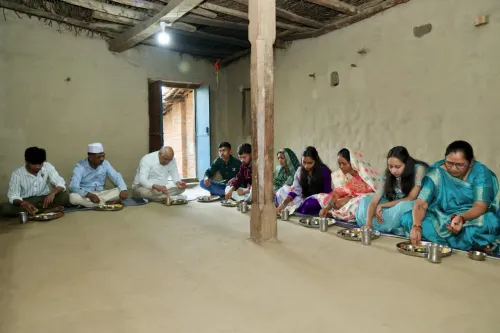
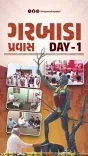
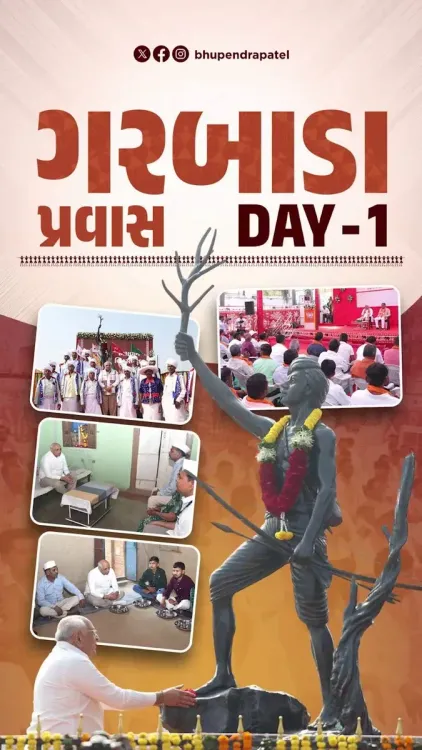
He visited Garbada village , sharing meals and holding open discussions with Adivasi families on village infrastructure and daily challenges.
The tour is framed around the philosophy 'Vikas Bhi, Virasat Bhi' — advancing development while preserving tribal cultural heritage.
The CM invoked Birsa Munda , the 19th-century tribal freedom fighter, describing his ideals as alive in Dahod's villages.
Dahod falls within Gujarat's Scheduled Areas and has been a focus of the state's Vanbandhu Kalyan Yojana tribal welfare programme since 2007.
Two more days of the tour remain, with follow-up announcements on local welfare schemes possible.
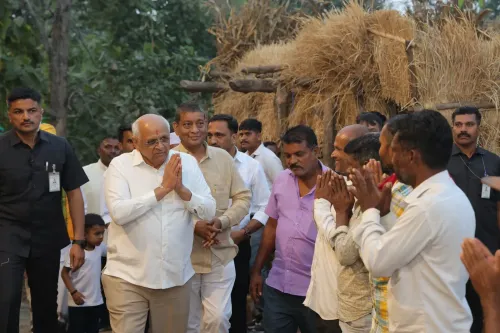
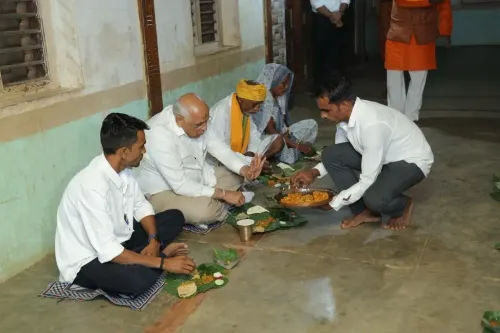
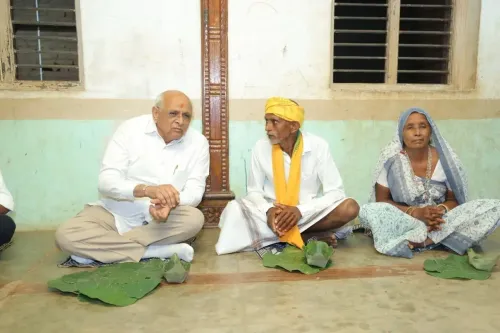
Sitting on the ground with tribal families in Garbada village, sharing a simple meal, listening to concerns about village facilities — Gujarat Chief Minister Bhupendra Patel opened the first day of a three-day tribal-belt tour in Dahod district on Wednesday, 18 November 2026 with the kind of unscripted community engagement that rarely makes it into policy briefs.
Posting on X in Gujarati, the Chief Minister described the visit as a living demonstration of the philosophy 'Vikas Bhi, Virasat Bhi' — 'Development As Well As Heritage' — writing that the tribal families of Gujarat are 'moving swiftly ahead in the stream of modern development while preserving their traditional cultural heritage, music, art, customs, and ways of life.'
What Patel Saw in Garbada
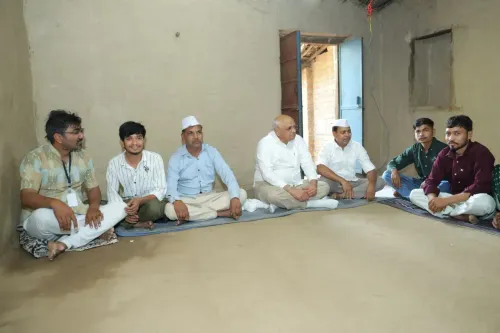
The CM described an afternoon of 'aatmiya samvad' — intimate conversation — with Adivasi households: shared meals, candid discussions about village infrastructure, day-to-day problems, and aspirations for the future. The simplicity was deliberate. 'Simple life, simple living — deeply rooted to the earth, and yet fully aware of development and modernity, with a clear sense of what is right,' he wrote, adding that it was in Garbada that he witnessed this balance firsthand.
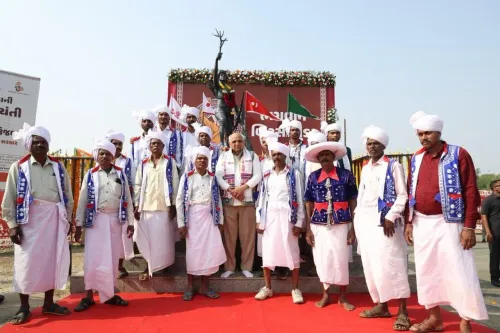
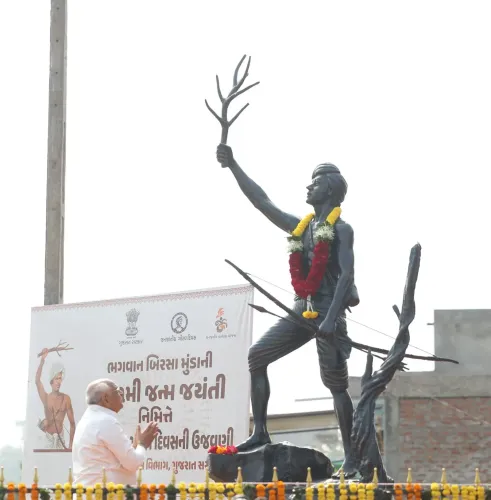
He invoked Birsa Munda — the 19th-century tribal freedom fighter and folk hero whose ideals of patriotism and self-reliance remain a touchstone across India's Scheduled Areas — describing his spirit as alive in Dahod's villages. 'The feeling of love for the nation is here. Children's eyes carry dreams. Youth carry the ambition of a bright life,' Patel wrote.
Dahod's Place in Gujarat's Tribal Policy Map
Dahod is one of Gujarat's most tribal-concentrated districts, sitting in the state's eastern corridor bordering Madhya Pradesh and Rajasthan. It falls within the state's Scheduled Areas and has been a focus of Vanbandhu Kalyan Yojana, Gujarat's flagship tribal welfare programme running in phases since 2007, which channels investment into education, health, livelihoods, and connectivity in Adivasi regions.
The 'Vikas Bhi, Virasat Bhi' framing the CM used is not new — it has been a recurring motif in both state and central government communications since 2014, positioning development as an enabler rather than an eraser of Adivasi identity. What makes the Dahod tour notable is its duration and ground-level format: three consecutive days in tribal territory, with direct community feedback sessions rather than formal stage events.
The Pattern Behind the Outreach
High-visibility visits to Gujarat's eastern tribal belt by BJP leadership have been a consistent feature of the party's administrative strategy — reinforcing both the government's development narrative and its cultural connect with Adivasi communities. Such tours typically generate follow-up announcements on local infrastructure or welfare scheme expansions. The two remaining days of this tour are likely to be watched for any such commitments from the Chief Minister.
For now, Patel's post closes on a quietly optimistic note — a politician choosing to let the community speak louder than the scheme. The children's eyes and the youth's ambitions, he suggests, are the real headline from Dahod.
Point of View
Virasat Bhi' frame, the tour signals that tribal identity is being treated as a political asset, not a development liability. For Gujarat's ruling dispensation, the eastern tribal belt represents both an electoral and an administrative frontier where welfare delivery and cultural legitimacy must move together. Any follow-up scheme announcements will reveal how much of this outreach converts from symbolism into policy.
NationPress
19 Nov 2026
Frequently Asked Questions
Why did Gujarat CM Bhupendra Patel visit Dahod district?
CM Bhupendra Patel visited Dahod as part of a three-day tour of Gujarat's tribal regions, engaging directly with Adivasi families in Garbada village to understand their development needs and cultural life.
What is 'Vikas Bhi, Virasat Bhi' in the context of tribal communities?
'Vikas Bhi, Virasat Bhi' means 'Development As Well As Heritage' — a philosophy promoted by the Gujarat and central governments since 2014 that frames modern development as compatible with preserving Adivasi cultural identity.
Who is Birsa Munda and why did CM Patel mention him?
Birsa Munda was a 19th-century tribal freedom fighter and folk hero revered across India's Scheduled Areas for his ideals of patriotism and self-reliance. Patel invoked him to connect Dahod's tribal communities to a proud national legacy.
What is the Vanbandhu Kalyan Yojana in Gujarat?
Vanbandhu Kalyan Yojana is Gujarat's flagship tribal welfare programme, running since 2007, that channels investment into education, health, livelihoods, and connectivity in Adivasi and Scheduled Area districts like Dahod.
Where is Garbada village located?
Garbada is a village in Dahod district in eastern Gujarat, located in the state's tribal belt near the borders with Madhya Pradesh and Rajasthan.