CM Bhupendra Patel Wades Into Flooded Bopal to Review Relief
Synopsis
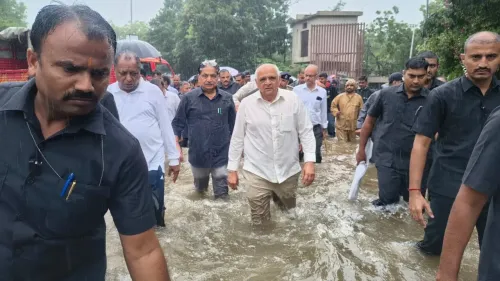
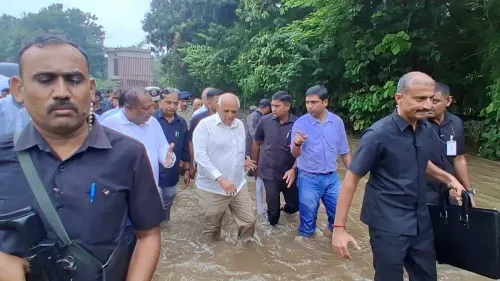
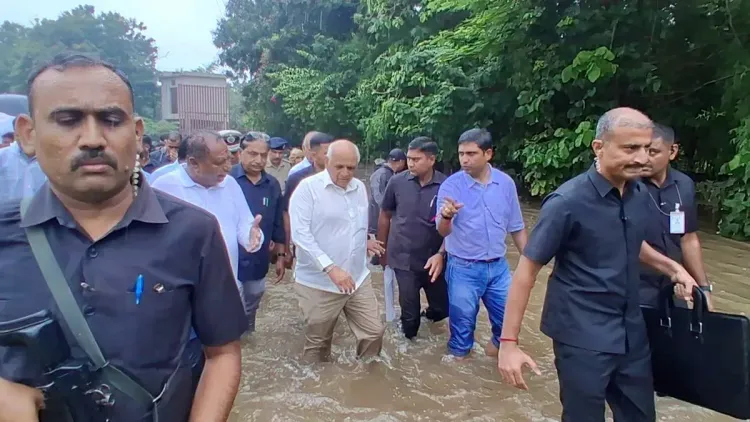
Chief Minister Bhupendra Patel personally waded through waterlogged streets in Ahmedabad's Bopal suburb on 24 July 2026, conducting a ground inspection of monsoon flooding and directing officials to accelerate drainage, rescue, and restoration operations.
Key Takeaways
CM Bhupendra Patel personally waded through floodwaters in Bopal, Ahmedabad on 24 July 2026 to inspect monsoon waterlogging.
He reviewed drainage, relief, and rescue operations on-site alongside administrative officials.
Officials received immediate instructions to accelerate restoration and deploy necessary manpower and equipment without delay.
Patel held direct conversations with affected local residents to understand their hardships first-hand.
Bopal is a rapidly expanding western suburb of Ahmedabad prone to seasonal waterlogging, administered by the Ahmedabad Municipal Corporation .
Follow-up actions by the AMC on drainage upgrades and relief disbursal are expected in the coming days.
Chief Minister Bhupendra Patel on Friday, 24 July 2026 personally waded through waterlogged streets in the Bopal area of Ahmedabad to conduct a ground-level inspection of flooding caused by heavy monsoon rainfall, the Chief Minister's Office of Gujarat announced. He reviewed drainage, relief, and rescue operations on-site with officials and spoke directly with affected residents about their hardships.
Context
The Gujarati-language post from the Chief Minister's Office states that CM Bhupendra Patel 'જાતે પાણીમાં ચાલતા ફરીને' (wading through the water himself) inspected the flood situation in Bopal, a western residential suburb of Ahmedabad. The visit followed heavy rainfall that caused severe waterlogging across the locality. A video shared alongside the post showed the Chief Minister walking through inundated streets.
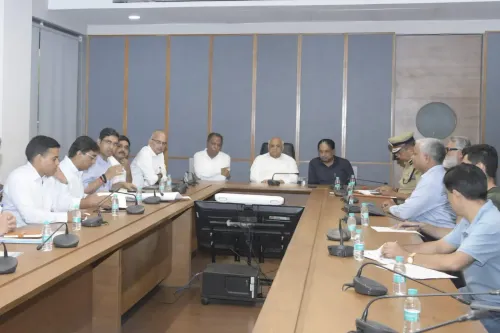
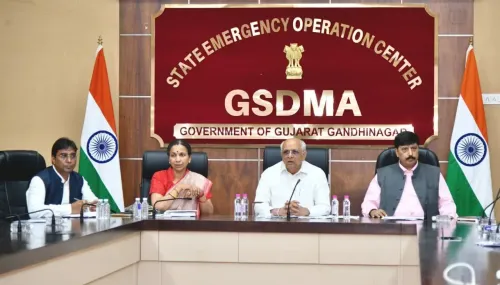
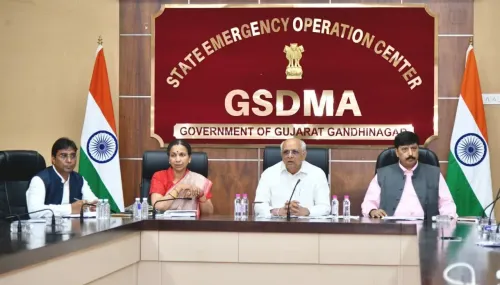
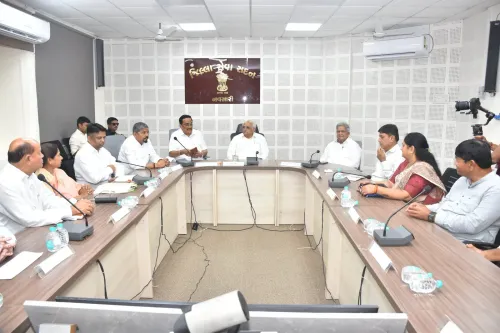
During the inspection, Patel reviewed the status of rainwater drainage, ongoing relief measures, and rescue operations alongside district and civic officials. He issued on-the-spot instructions to accelerate restoration work and ensure the immediate deployment of necessary manpower, equipment, and logistical support.
Policy Backdrop
Bopal has seen rapid residential expansion over the past two decades and faces recurring waterlogging during the monsoon season. Ahmedabad was selected under the national Smart Cities Mission in 2015, with components that include improved stormwater drainage and urban flood resilience — infrastructure whose adequacy comes under scrutiny during intense rainfall events.
Gujarat chief ministers have a documented pattern of conducting direct field inspections during monsoon emergencies, a practice that aligns with national disaster management frameworks emphasising coordination between elected leadership and administrative machinery. Such visits are intended to accelerate on-ground decision-making and signal state-level accountability.
Stakeholders and Impact
Residents of Bopal — one of Ahmedabad's densely populated western suburbs — are the primary stakeholders facing disrupted daily life, property damage, and mobility challenges due to the flooding. The Ahmedabad Municipal Corporation (AMC) is the nodal civic body responsible for drainage infrastructure and immediate relief coordination.
CM Patel engaged 'સ્થાનિક નાગરિકો સાથે સંવેદનાપૂર્વક સંવાદ' (a compassionate dialogue with local citizens) about their difficulties, signalling a direct feedback loop between the administration and the affected population. Officials were directed to expedite restoration and make resources available without delay.
What's Next
Attention will now turn to the Ahmedabad Municipal Corporation's follow-up actions, including announcements on emergency drainage upgrades, compensation disbursal for affected households, and a broader review of the city's monsoon preparedness infrastructure. Any state-level audit of stormwater systems in rapidly urbanising suburbs like Bopal will be closely watched ahead of the remaining monsoon weeks.
The inspection also sets the stage for potential policy announcements on long-term urban flood resilience, as increasing rainfall intensity across Gujarat's cities continues to test existing civic infrastructure.
Point of View
A Smart Cities Mission beneficiary since 2015, recurring waterlogging in suburbs like Bopal raises uncomfortable questions about the pace and quality of drainage infrastructure upgrades. The Chief Minister's on-site directives will be measured against the speed and scale of the AMC's actual follow-through in the days ahead.
NationPress
24 Jul 2026
Frequently Asked Questions
Why did CM Bhupendra Patel visit Bopal in Ahmedabad?
CM Bhupendra Patel visited Bopal on 24 July 2026 to personally inspect severe waterlogging caused by heavy monsoon rainfall and to review ongoing drainage, relief, and rescue operations on the ground.
What is Bopal and why does it flood?
Bopal is a densely populated western suburb of Ahmedabad, Gujarat, that has seen rapid residential expansion. Its drainage infrastructure has struggled to keep pace with urban growth, making it prone to waterlogging during intense monsoon rainfall.
What instructions did CM Patel give to officials during the Bopal flood inspection?
CM Patel directed officials to speed up restoration work and immediately make available the necessary manpower, equipment, and logistical support to normalise the situation in the flooded areas.
What is the Ahmedabad Municipal Corporation's role in flood relief?
The Ahmedabad Municipal Corporation is the primary civic body responsible for stormwater drainage infrastructure and coordinating immediate relief operations during waterlogging events in Ahmedabad, including in suburbs like Bopal.
What happens after a Chief Minister's flood inspection in Gujarat?
Following such inspections, the state and municipal administration typically announce follow-up measures including emergency drainage repairs, compensation for affected residents, and reviews of monsoon preparedness — all of which are expected after CM Patel's Bopal visit.