Cabinet clears paper leak Bill; fast-track courts, harsher punishments proposed
Synopsis
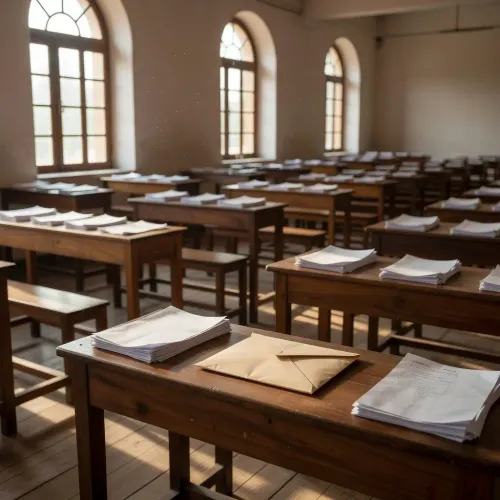
The Union Cabinet has cleared a Bill that would create fast-track courts with a three-month verdict mandate and impose harsher punishments for paper leaks — the Centre's most decisive statutory move yet against examination fraud that has disrupted the futures of lakhs of students.
Key Takeaways
The Union Cabinet approved the paper leak Bill on 24 July , fulfilling a commitment made by PM Modi the previous day.
Proposed fast-track courts must complete trials and deliver verdicts within three months .
The Bill introduces stringent punishments for those involved in examination malpractices.
The legislation is expected to be introduced in Parliament next week.
Re-examinations for nearly 22 lakh students were conducted, with results declared on 19 July .
The Centre had already secured arrests and imprisonments over the past two-and-a-half months through administrative action.
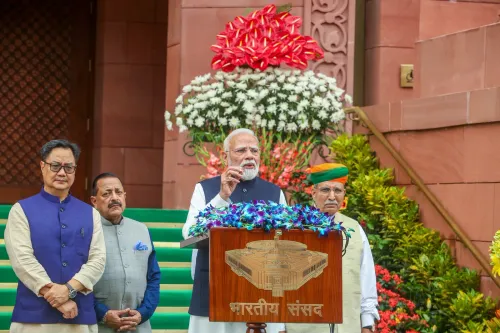
The Union Cabinet on Friday, 24 July approved a landmark Bill aimed at establishing fast-track courts and imposing stricter punishments for paper leaks and examination malpractices, official sources confirmed. The legislation is expected to be introduced in Parliament next week, fulfilling a commitment made by Prime Minister Narendra Modi just a day earlier.
Key Provisions of the Bill
Under the proposed legislation, fast-track courts will be mandated to complete trials and deliver verdicts within three months, according to official sources. The Bill also introduces stringent punishments for individuals found guilty of orchestrating or facilitating exam malpractices — a direct response to the wave of paper leak controversies that have roiled competitive examinations across India.
What the Prime Minister Said
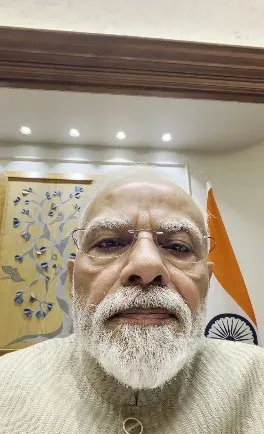
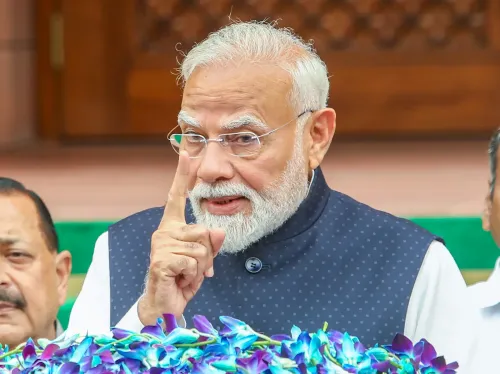
In a video message posted to his official X account, Prime Minister Modi announced: 'More strict actions against paper leaks to come in tomorrow's Cabinet!' He acknowledged the deep distress caused to students and their families, saying, 'I am aware that paper leaks cause immense distress to students and their parents.'
Modi noted that the Centre had already taken multiple measures over the past two-and-a-half months, resulting in the arrest and imprisonment of those responsible. He added that all available resources were mobilised to conduct re-examinations without delay for nearly 22 lakh students, with results declared on 19 July — just five days before the Cabinet approval.
Context and Background
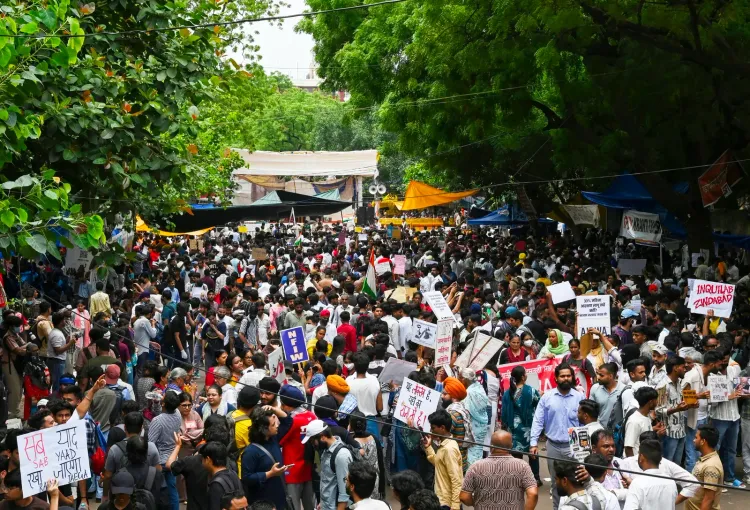
The Bill comes amid sustained public anger over high-profile paper leak incidents that compromised the integrity of major national examinations. This is among the most significant legislative responses by the Centre to examination fraud, signalling a shift from administrative action to statutory deterrence. Notably, the fast-track court mechanism mirrors frameworks used in other sensitive criminal matters, where prolonged trials have historically diluted accountability.
The Prime Minister said he personally worked to prepare a strong proposal, adding that suggestions from Cabinet colleagues were incorporated before the proposal was finalised. The Centre has framed the Bill as a safeguard for the futures of millions of students who depend on competitive examinations for employment and higher education.
What Happens Next
The Bill is slated for introduction in Parliament next week. Once tabled, it will undergo legislative scrutiny before being put to a vote. Industry observers and student welfare groups are expected to closely track whether the three-month trial mandate is accompanied by adequate judicial infrastructure to make it enforceable in practice.
Point of View
But the real test lies in implementation. Fast-track court mandates sound decisive on paper — yet India's judicial system is already strained, and a three-month verdict timeline will require dedicated benches and prosecutors, not just a legislative nudge. The Bill also arrives after the damage: re-examinations have already been held, and public trust in national testing bodies has taken a serious hit. Statutory deterrence matters, but it is backward-looking by design. What is missing from the current framing is a credible, independent audit mechanism for examination conduct itself — without that, the next leak will simply trigger another legislative cycle.
NationPress
24 Jul 2026
Frequently Asked Questions
What is the paper leak Bill approved by the Union Cabinet?
It is a proposed law approved by the Union Cabinet on 24 July that seeks to establish fast-track courts for examination malpractice cases and impose harsher punishments on those responsible for paper leaks. The Bill is expected to be introduced in Parliament next week.
How quickly must fast-track courts decide paper leak cases?
Under the proposed Bill, fast-track courts will be mandated to complete trials and deliver verdicts within three months. This is intended to ensure swift accountability and deter future malpractice.
Why did the government introduce this Bill now?
The Bill follows a series of high-profile paper leak controversies that disrupted major national examinations and caused widespread distress among students and their families. PM Modi had announced the move on Thursday, citing over two-and-a-half months of administrative action including arrests.
How many students were affected by the recent paper leak incidents?
According to the Prime Minister, re-examinations were conducted for nearly 22 lakh students, with results declared on 19 July — five days before the Cabinet approved the Bill.
When will the paper leak Bill be introduced in Parliament?
Official sources indicated the Bill will be introduced in Parliament next week, following its Cabinet approval on 24 July.