CM Bhupendra Patel Wraps Day 3 of Dahod District Tour
Synopsis
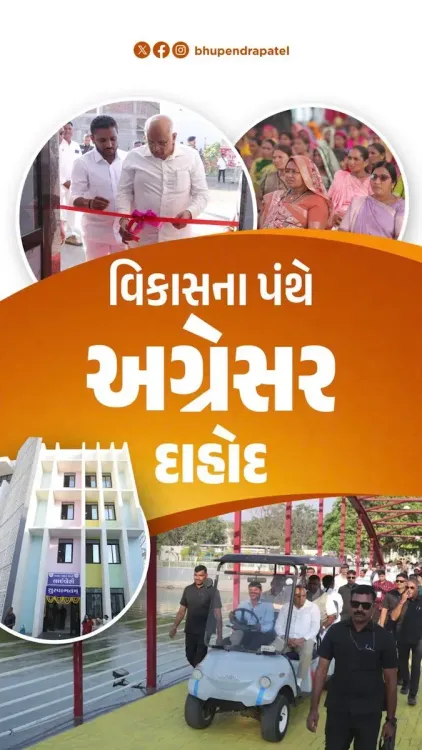
Gujarat Chief Minister Bhupendra Patel completed the third day of a multi-day visit to Dahod district on 20 November 2026, reviewing development works and meeting residents from all social sections, declaring the district 'advancing on the path of development.'
Key Takeaways
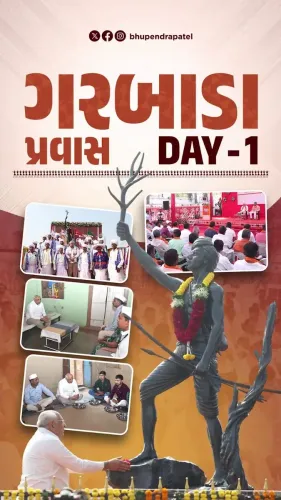
Bhupendra Patel was on day 3 of a multi-day tour of Dahod district in eastern Gujarat on 20 November 2026 .
The day included multiple field visits, development-work inspections, and community interactions.
The CM cited a 'unique public awakening' for development among students, youth, women, and farmers in Dahod.
Dahod has a significant tribal population and is a focus of state and central welfare and infrastructure programmes.
Multi-day district tours combining public interaction with on-site review are a hallmark of Gujarat's BJP administration.
Follow-up project announcements from the tour are expected to follow the visit.
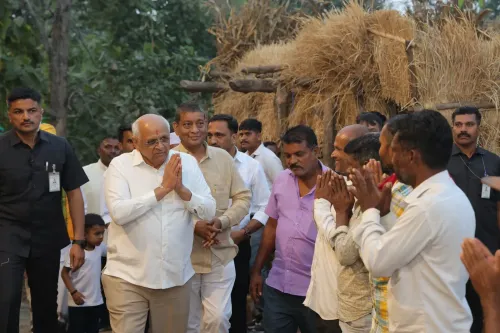
Three days deep into a hands-on district tour, Gujarat Chief Minister Bhupendra Patel on Friday, 20 November 2026 emerged from Dahod with a clear message: the district is on the move. Across meetings with students, women, farmers, and youth, the Chief Minister said he witnessed what he described as an extraordinary public consciousness around development — a grassroots energy that left him, in his own words, 'extremely happy.'
Posting on X in Gujarati, CM Patel wrote: 'Dahod jillamaa vidyarthio, yuvano, narishakti, annadatathi laine samaajna tamam vargna lokoma vikaas maateni anokhi janchetna jova mali' — 'In Dahod district, a unique public awakening for development was visible among all sections of society, from students and youth to women's power and farmers.' He added that witnessing local residents' confidence in building a brighter future had filled him with great joy, and concluded: 'Our Dahod is advancing on the path of development.'
What the Third Day Looked Like in Dahod
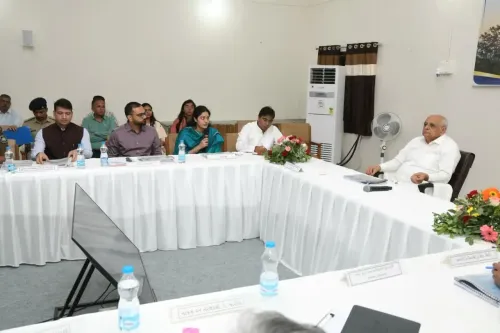
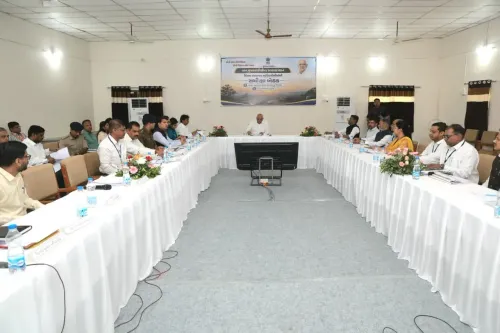
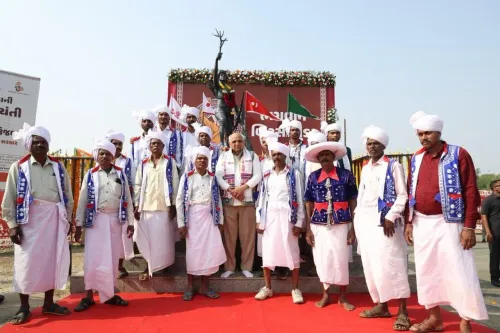
The day's programme included a range of field interactions and on-site inspection and review of ongoing development works — a format the Gujarat government has maintained across Chief Ministerial district tours as a signature governance practice. Rather than a single high-profile event, the day was deliberately structured around multiple visits, allowing the CM to take stock of progress across different sectors and hear directly from communities on the ground.
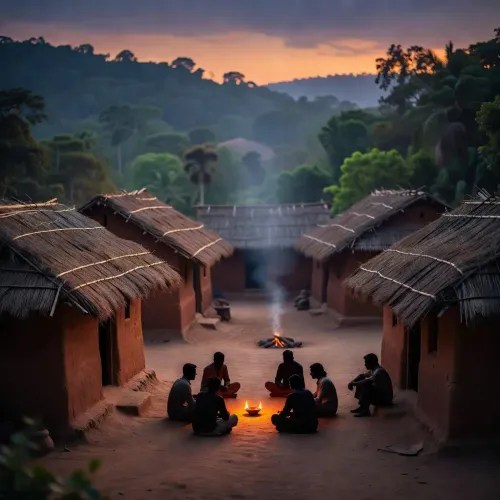
Dahod is an eastern Gujarat district with a significant tribal population and has been a focus of both state and central government welfare and infrastructure programmes. The district's inclusion in development schemes spanning education, women's empowerment, and agricultural support makes it a natural testing ground for the state's inclusive-growth narrative.
Dahod's Place in Gujarat's District Outreach Model
Multi-day Chief Ministerial visits to individual districts — combining public interaction with physical inspection of works — have become a defining feature of Gujarat's BJP-led administration. The model is built on direct accountability: the Chief Minister sees projects on the ground, meets the beneficiaries face to face, and returns to Gandhinagar with a first-hand review rather than a file-based summary.
Patel's framing of Dahod as 'advancing on the path of development' fits the state's broader narrative of extending infrastructure and welfare gains to regions that were historically underserved. With students, women, and farmers all specifically named in his post, the message was explicitly all-inclusive: no single constituency, every constituency.
What comes next matters as much as what was inspected. Follow-up announcements on the specific projects reviewed during the three-day tour will be the real measure of the visit's impact — and Dahod will be watching.
Point of View
The visit is as much political optics as administrative review, reinforcing the BJP's inclusive-development pitch ahead of any future electoral cycle. Dahod's tribal demographics give the tour added strategic weight, since eastern Gujarat has historically been contested political terrain. The real test will be whether the inspection translates into accelerated project completion on the ground.
NationPress
20 Nov 2026
Frequently Asked Questions
Why did CM Bhupendra Patel visit Dahod in November 2026?
CM Bhupendra Patel conducted a multi-day tour of Dahod district for direct inspection and review of ongoing development works and to interact with local residents across all social sections.
What is the significance of Dahod district in Gujarat?
Dahod is an eastern Gujarat district with a significant tribal population and has been included in multiple state and central government welfare and infrastructure development programmes.
What did CM Patel do on day 3 of his Dahod visit?
On the third day, CM Patel conducted multiple field meetings and inspected and reviewed development works, interacting with students, youth, women, and farmers in the district.
What did CM Bhupendra Patel say about Dahod's development?
CM Patel stated that a 'unique public awakening' for development was visible in Dahod and declared that 'Our Dahod is advancing on the path of development.'
How often does the Gujarat CM conduct district tours?
The Gujarat government under the BJP has maintained a regular practice of multi-day Chief Ministerial visits to districts for direct on-site inspection of works and public interaction, continuing a pattern established by earlier administrations.