CM Bhupendrabhai Patel breaks ground for TMC Transformers plant in Panchmahal
Synopsis
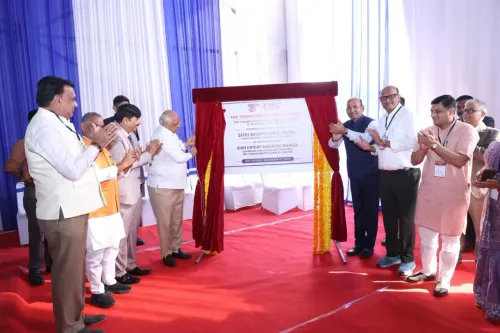
Chief Minister Bhupendrabhai Patel broke ground for TMC Transformers India Limited's new 78,000 MVA manufacturing plant at Nurpura, Panchmahal, on 17 November 2026. The company also handed over a ₹25 lakh CSR cheque for the state's Mukhya Mantri Kanya Kelavani Nidhi girl-education fund.
Key Takeaways
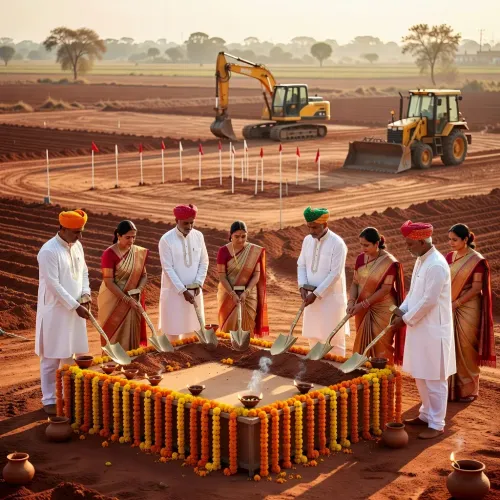
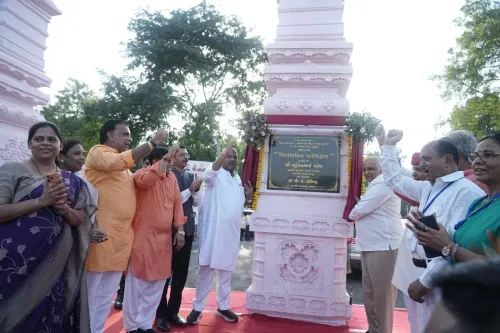
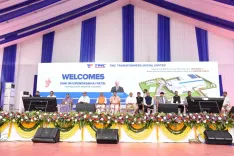
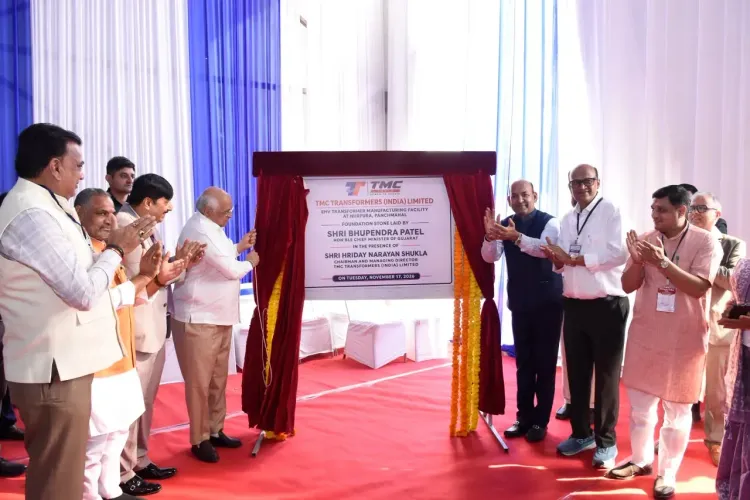
CM Bhupendrabhai Patel performed the bhoomi pujan for the new TMC Transformers India Limited plant on 17 November 2026 .
The facility is located at Nurpura, Panchmahal district , in eastern Gujarat.
The plant will have a manufacturing capacity of 78,000 MVA , targeting India's growing power-grid infrastructure demand.
TMC Transformers India Limited presented a CSR cheque of ₹25 lakh to the Chief Minister at the ceremony.
The CSR contribution is directed to the Mukhya Mantri Kanya Kelavani Nidhi , the state fund supporting girls' education.
The investment fits Gujarat's long-running strategy of attracting private capital to the power and electrical-equipment manufacturing sector.
A new chapter in Gujarat's electrical manufacturing story opened on Tuesday, 17 November 2026, when Chief Minister Bhupendrabhai Patel performed the bhoomi pujan (ground-breaking ceremony) for a major new factory at Nurpura in Panchmahal district — a facility that promises to push India's transformer production capacity by another significant notch.
A 78,000 MVA bet on eastern Gujarat
The plant belongs to TMC Transformers India Limited, and its headline figure is striking: a planned manufacturing capacity of 78,000 MVA. Transformers of that scale sit at the backbone of power grids — moving electricity from generation points to homes, hospitals, and factories. Panchmahal, an eastern Gujarat district that has seen successive waves of industrial investment, is now adding high-end electrical equipment to its portfolio.
Gujarat's industrial policy playbook, refined over more than two decades, has deliberately courted the power and electrical-equipment sector. Ground-breaking ceremonies like today's are the visible output of that sustained pitch — investor confidence, eventually, turned to concrete and steel.
TMC's ₹25 lakh cheque for girl students
The ceremony carried a welfare dimension as well. At the event, TMC Transformers India Limited presented Chief Minister Patel with a cheque for ₹25 lakh under its corporate social responsibility (CSR) commitment — the funds directed to the Mukhya Mantri Kanya Kelavani Nidhi, the state's dedicated education fund for girls.
The Kanya Kelavani Nidhi (literally, the Chief Minister's fund for educating daughters) has been a channel through which Gujarat governments have pooled corporate CSR money alongside state funds to keep girls in school and reduce dropout rates. A ₹25 lakh contribution from a single company at the moment of its own ground-breaking is a signal of the quid-pro-quo goodwill that characterises Gujarat's investor-relations model — industry invests in bricks, and visibly invests in people on the same day.
What the plant means for India's grid ambitions
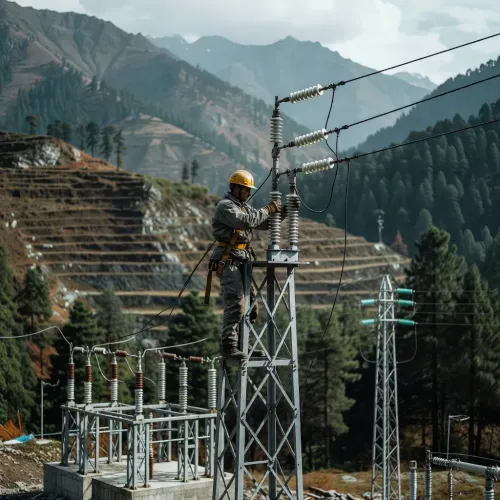
India is in the middle of a large-scale power-infrastructure expansion, driven by renewable energy targets and electrification goals. Transformer manufacturing capacity — currently concentrated in a handful of industrial corridors — is a genuine bottleneck. A new high-capacity plant in Panchmahal adds to domestic supply, reduces import dependence, and deepens the local supply chain for utilities and renewable developers alike.
The numbers to watch next: construction milestones, the first unit rolling off the line, and whether the ₹25 lakh CSR contribution to the girls' education fund eventually shows up in enrolment data for Panchmahal's schools. Today was the foundation. The structure — literally and figuratively — still has to be built.
Point of View
The company commits capital, and the ceremony doubles as a welfare moment through CSR. Chief Minister Bhupendrabhai Patel is deepening a playbook inherited from his predecessors, using large-capacity manufacturing investments to anchor eastern Gujarat — traditionally less industrialised than the state's coastal belt — into the supply chain for India's energy transition. The ₹25 lakh contribution to the Kanya Kelavani Nidhi is modest in absolute terms but serves as a reputational signal to both investors and voters. The bigger test will be whether the 78,000 MVA plant reaches production on schedule and helps ease the transformer supply crunch that is quietly slowing India's renewable rollout.
NationPress
17 Nov 2026
Frequently Asked Questions
What is the capacity of the new TMC Transformers plant in Panchmahal?
The new TMC Transformers India Limited plant at Nurpura in Panchmahal district is being built with a manufacturing capacity of 78,000 MVA .
What is the Mukhya Mantri Kanya Kelavani Nidhi?
The Mukhya Mantri Kanya Kelavani Nidhi is a Gujarat state fund set up to support girls' education, financed through state allocations and corporate CSR contributions.
How much did TMC Transformers donate to the girls' education fund?
TMC Transformers India Limited donated ₹25 lakh to the Mukhya Mantri Kanya Kelavani Nidhi as part of its CSR obligation at the bhoomi pujan ceremony.
Where is the new TMC Transformers plant located in Gujarat?
The plant is being built at Nurpura in Panchmahal district , located in eastern Gujarat.
Who is the Chief Minister of Gujarat in 2026?
Bhupendrabhai Patel has been the Chief Minister of Gujarat since 2021 and presided over the bhoomi pujan ceremony on 17 November 2026.