CM Bhupendrabhai Patel Leads Gujarat's Swachh Push

Synopsis
The Chief Minister's Office of Gujarat on July 2, 2026, spotlighted the state's ongoing 'Swachh Gujarat' campaign, framing cleanliness as a moral responsibility under CM Bhupendrabhai Patel's leadership and reinforcing Gujarat's commitment to top Swachh Survekshan rankings.
Key Takeaways
The CMO Gujarat posted a cleanliness-focused update on July 2, 2026 under the #અગ્રેસર_ગુજરાત ('Always Ahead, Gujarat') series.
Chief Minister Bhupendrabhai Patel has led Gujarat since September 2021 , with sanitation among his administration's stated priorities.
The post frames cleanliness as a 'moral responsibility', signalling a behavioural-change approach rather than purely infrastructure-led policy. 'Swachh Gujarat' is the state-level extension of the national Swachh Bharat Mission , launched in October 2014 , now in its Urban 2.0 phase.
Gujarat's urban local bodies — including those in Ahmedabad, Surat, Vadodara , and Rajkot — are the primary on-ground implementing agencies.
The next Swachh Survekshan results and any new Swachh Bharat Mission-Urban 2.0 allocations for Gujarat will be key milestones to watch.
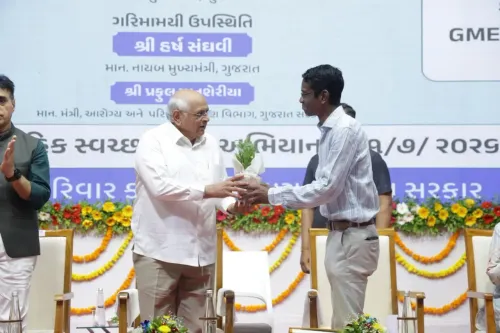
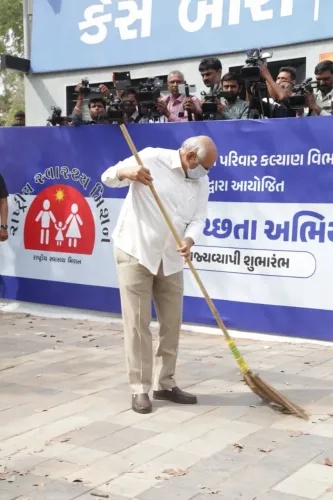
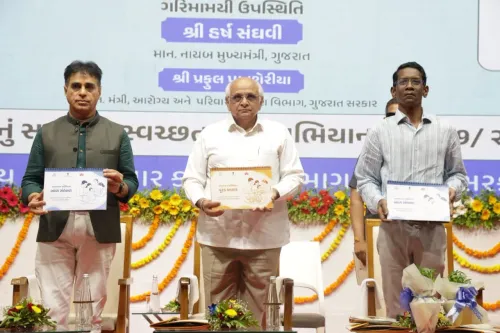
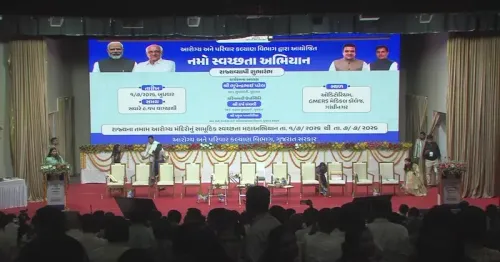
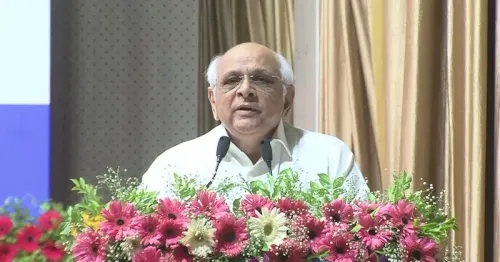
The Chief Minister's Office of Gujarat on Thursday, July 2, 2026, shared a round-up of cleanliness-related developments from across the state, underscoring the government's commitment to building a 'Swachh Gujarat' under the leadership of Chief Minister Bhupendrabhai Patel.
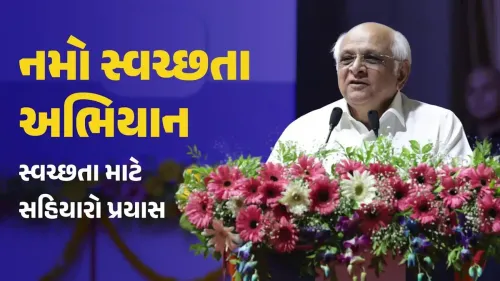
The post, published under the hashtag #અગ્રેસર_ગુજરાત ('Always Ahead, Gujarat'), invited citizens to learn about the latest news from the state as it works to treat cleanliness as a 'moral responsibility' — સ્વચ્છતાને નૈતિક જવાબદારી — rather than a mere administrative target.
Context
The communication is part of a recurring series by the CMO Gujarat that spotlights state-level progress under various governance priorities. The framing of sanitation as a moral duty reflects a deliberate messaging strategy: positioning civic cleanliness not as a top-down mandate but as a shared social value embraced by residents, urban local bodies, and elected representatives alike.
Chief Minister Bhupendrabhai Patel, who has helmed the state since September 2021, has consistently aligned Gujarat's administrative priorities with national flagship programmes, with sanitation and environment among the most visible planks.
Policy Backdrop
The 'Swachh Gujarat' drive operates as a state-level extension of the Swachh Bharat Mission, launched by the Government of India in October 2014 to eliminate open defecation and overhaul urban and rural sanitation infrastructure. The mission has since evolved into Swachh Bharat Mission-Urban 2.0, which targets waste processing, source segregation, and sustainable sanitation outcomes in cities and towns.
Gujarat has been a consistent participant in the annual Swachh Survekshan rankings conducted by the Ministry of Housing and Urban Affairs, which assess cleanliness, citizen feedback, and service-level benchmarks across hundreds of urban local bodies. State campaigns that treat cleanliness as both an infrastructure challenge and a behavioural priority have become a hallmark of Gujarat's approach to the survey cycle.
Stakeholders and Impact
Gujarat's urban local bodies — including municipal corporations in Ahmedabad, Surat, Vadodara, Rajkot, and dozens of smaller municipalities — are the primary implementing agencies for on-ground cleanliness work. Their performance directly feeds into state and national rankings, making the political stakes of the campaign visible and measurable.
For ordinary residents, the campaign's emphasis on moral responsibility seeks to drive behavioural change: proper waste segregation, no littering in public spaces, and community participation in cleanliness drives. Civil society groups and resident welfare associations are typically co-opted as partners in such state-level pushes.
What's Next
Attention will now turn to the release of the next Swachh Survekshan results, which serve as the most authoritative public scorecard for the state's sanitation ambitions. Any fresh budget allocations or new phases announced under Swachh Bharat Mission-Urban 2.0 for Gujarat will signal how deeply the state intends to institutionalise this push beyond the current communications cycle.
If Gujarat secures strong rankings in the upcoming survey, the CMO is likely to amplify those results as validation of Chief Minister Bhupendrabhai Patel's governance model — reinforcing the 'Always Ahead' brand the state has cultivated across multiple policy domains.
Point of View
The timing of such posts is rarely incidental — strong rankings translate directly into political capital for the ruling dispensation. The 'Always Ahead' branding also positions Gujarat as a model state, a narrative that has national resonance given the state's historical role as a policy laboratory for the BJP.
NationPress
2 Jul 2026
Frequently Asked Questions
What is the Swachh Gujarat campaign?
Swachh Gujarat is a state-level cleanliness and sanitation drive in Gujarat, aligned with the national Swachh Bharat Mission. It focuses on both physical infrastructure — such as toilets and waste processing — and behavioural change among citizens, treating cleanliness as a shared moral responsibility.
Who is Chief Minister Bhupendrabhai Patel?
Bhupendrabhai Patel is the Chief Minister of Gujarat, serving since September 2021 after succeeding Vijay Rupani. He leads the state government's various flagship programmes, including sanitation, infrastructure, and investment initiatives.
What is Swachh Survekshan and how does Gujarat perform?
Swachh Survekshan is an annual cleanliness survey conducted by the Ministry of Housing and Urban Affairs that ranks Indian cities and states on sanitation, waste management, and citizen feedback. Gujarat participates actively and has used state-level campaigns to improve its urban local bodies' scores.
What is Swachh Bharat Mission-Urban 2.0?
Swachh Bharat Mission-Urban 2.0 is the second phase of India's national urban sanitation programme, focusing on waste source segregation, scientific waste processing, and achieving 'garbage-free city' status. Gujarat's municipalities are implementing projects under this phase.
What does #AgressarGujarat mean?
#અગ્રેસર_ગુજરાત translates to 'Always Ahead, Gujarat' in English. It is a recurring hashtag used by the CMO Gujarat on social media to highlight the state's progress and leadership across governance, development, and social initiatives.