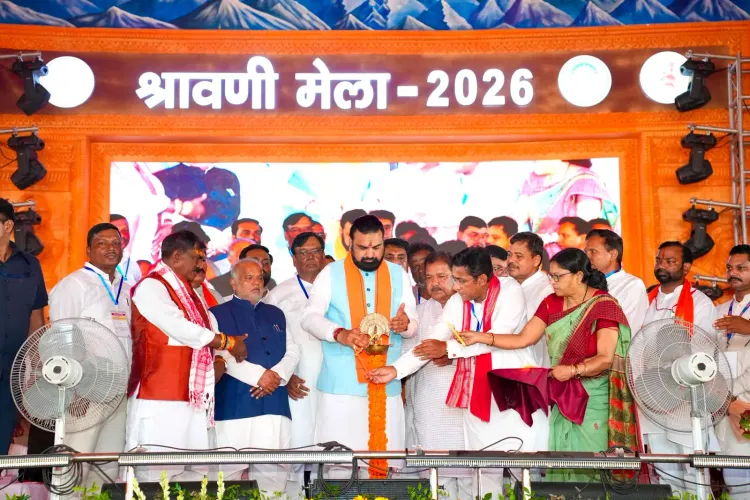
CM Bihar Inaugurates Shravani Mela 2026 at Sultanganj Namami Gange Ghat
Synopsis
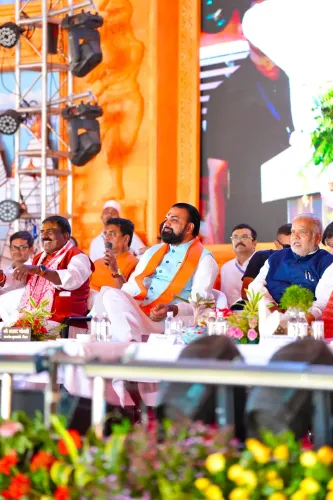
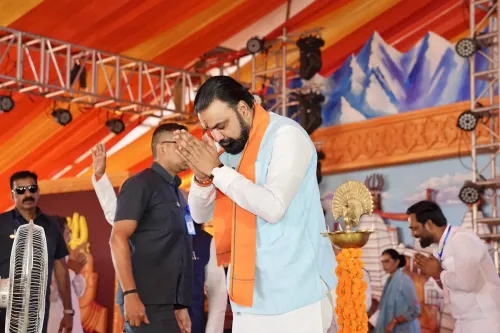
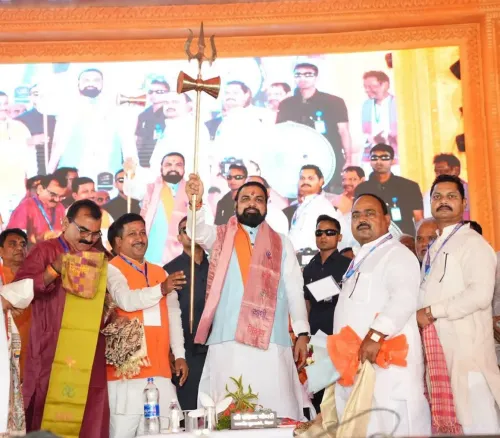
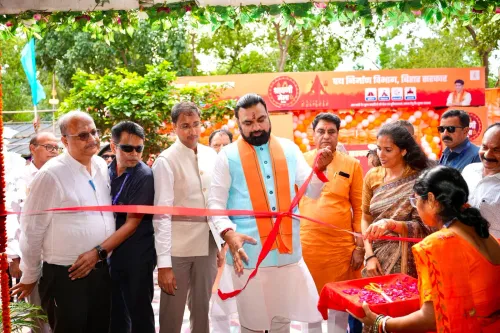
Bihar Chief Minister Samrat Chaudhary inaugurated Shravani Mela 2026 at the Namami Gange Ghat in Sultanganj on 28 July, opening the annual Shravan pilgrimage season in which kanwariyas carry Ganga water to Baidyanath Dham in Deoghar.
Key Takeaways
Chief Minister Samrat Chaudhary inaugurated Shravani Mela 2026 at Sultanganj's Namami Gange Ghat on 28 July 2026 .
Sultanganj in Bhagalpur district is the traditional starting point for kanwariyas collecting Ganga water for the roughly 105-km walk to Baidyanath Dham, Deoghar.
The Namami Gange programme , launched in 2014 , funded the ghat redevelopment that now serves as the mela's ceremonial centrepiece.
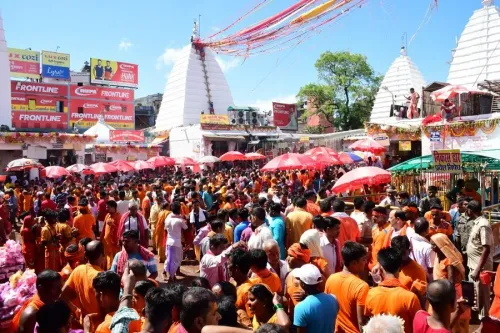
Shravani Mela draws pilgrims from Bihar, Jharkhand, and West Bengal , making it one of eastern India's largest annual religious gatherings.
Local traders and the wider Bhagalpur district economy benefit significantly from the annual pilgrim influx during the Shravan month.
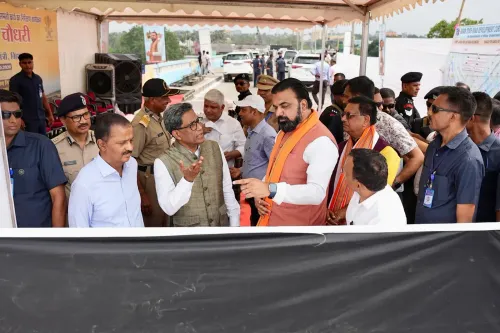
At the sacred banks of the Ganga in Sultanganj, Bhagalpur, one of Bihar's most ancient pilgrimages came alive once more. Chief Minister Samrat Chaudhary formally inaugurated Shravani Mela 2026 on Tuesday, 28 July 2026, launching the season at the newly developed Namami Gange Ghat — a setting that fuses centuries of faith with modern riverfront infrastructure.
The Chief Minister's Office of Bihar announced the inauguration, noting that CM Samrat Chaudhary presided over the bhavya shubharambh (grand inauguration) of the mela at Sultanganj's Namami Gange Ghat. The event marks the formal opening of the pilgrimage season for kanwariyas — devotees who collect sacred Ganga water at Sultanganj and carry it on foot to Baidyanath Dham in Deoghar, Jharkhand, an act of devotion central to the month of Shravan.
Sultanganj to Deoghar: The Pilgrimage That Defines Shravan
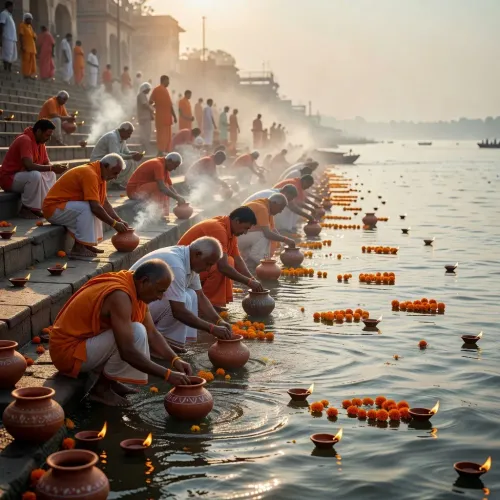
Shravani Mela is no ordinary fair. For centuries, millions of kanwariyas have walked the roughly 105-kilometre route from Sultanganj to Baidyanath Dham, balancing kawads — decorated bamboo poles carrying sealed pots of Ganga water — on their shoulders without letting them touch the ground. The mela draws pilgrims from Bihar, Jharkhand, West Bengal, and beyond, making it one of the largest annual religious gatherings in eastern India. Sultanganj's position on the Ganga makes it the only practical starting point for this ritual, lending the town an outsized spiritual significance each Shravan.
Namami Gange Ghat as the New Stage
The choice of the Namami Gange Ghat as the inauguration venue is deliberate and symbolic. The Namami Gange programme, launched by the central government in 2014, channelled funds into ghat redevelopment, sanitation, and riverfront beautification along the Ganga's length. Sultanganj's ghat, upgraded under this scheme, now provides pilgrims with cleaner, better-lit, and more accessible riverbanks — a tangible upgrade for the millions who wade into the river each Shravan to fill their kawads.
Bihar governments have consistently backed Shravani Mela as both a cultural obligation and an economic engine. Local traders, transport operators, and hospitality businesses in Bhagalpur district depend heavily on the annual surge of pilgrims. State facilitation — security, sanitation, crowd management, medical camps — determines whether that surge becomes a smooth celebration or a logistical crisis.
What the Season Ahead Holds
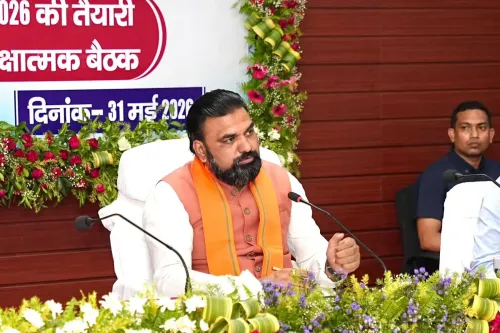
With the inauguration complete, attention now shifts to the ground realities of the mela season: pilgrim footfall figures, the adequacy of state-arranged facilities along the Sultanganj–Deoghar route, and any additional announcements from the Bihar government on security and amenities. A successful Shravani Mela is measured not just in numbers but in the unbroken flow of faith — kawads raised, Ganga water carried, and a pilgrimage completed without incident.
The ghat that once needed renovation is now the stage. Bihar's Shravan season has begun.
Point of View
Presiding over one of the subcontinent's oldest living pilgrimages carries clear political resonance in a state where Shravan-month devotion cuts across caste and community lines. The pattern of state-facilitated religious fairs also reflects a broader governance calculus: cultural tourism and local economic stimulus packaged as faith-based administration. How the government manages the mela's logistics — and whether it announces measurable upgrades — will shape the narrative beyond the inauguration ceremony.
NationPress
29 Jul 2026
Frequently Asked Questions
What is Shravani Mela and where is it held?
Shravani Mela is an annual Hindu religious fair held during the month of Shravan. It centres on Sultanganj in Bihar's Bhagalpur district, where pilgrims called kanwariyas collect sacred Ganga water and carry it on foot to Baidyanath Dham in Deoghar, Jharkhand.
Who inaugurated Shravani Mela 2026?
Bihar Chief Minister Samrat Chaudhary inaugurated Shravani Mela 2026 at the Namami Gange Ghat in Sultanganj on 28 July 2026.
What is the Namami Gange Ghat at Sultanganj?
The Namami Gange Ghat at Sultanganj is a riverfront facility developed under the central government's Namami Gange programme, launched in 2014 to conserve the Ganga and build modern ghat infrastructure along its banks.
How far do kanwariyas walk during Shravani Mela?
Kanwariyas walk approximately 105 kilometres from Sultanganj to Baidyanath Dham in Deoghar, carrying sealed pots of Ganga water on decorated bamboo poles without letting them touch the ground.
Why is Sultanganj important for Shravani Mela?
Sultanganj sits on the Ganga river and serves as the traditional and only practical starting point for the Shravani pilgrimage, making it the ritual centre of the mela every Shravan month.