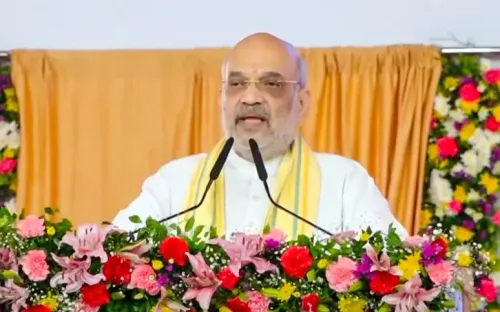
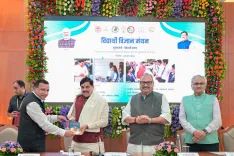
Amit Shah inaugurates Jamnagar Co-op Bank HQ, flags cooperative reforms
Synopsis
A ₹25 crore cooperative bank headquarters in Jamnagar — with a Kisan hostel, zero NPA, and 97% agricultural lending — became the backdrop for Amit Shah to frame cooperative banking as the Centre's primary rural economic vehicle. The bank's journey from ₹2.5 lakh in deposits in 1959 to ₹2,154 crore in annual business is the kind of proof-of-concept the government wants to replicate nationwide.
Key Takeaways
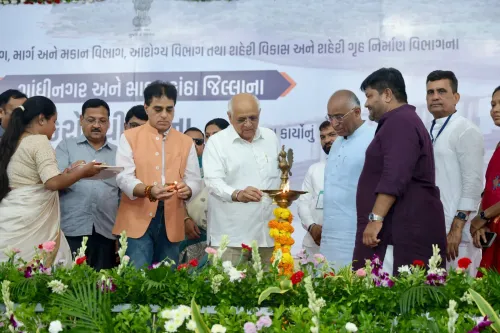
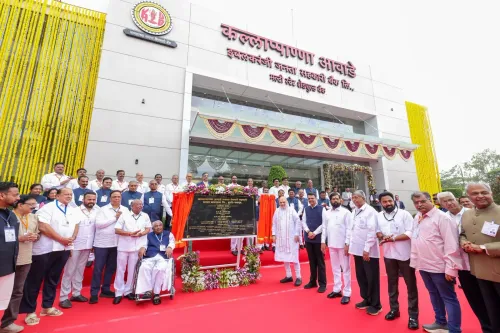
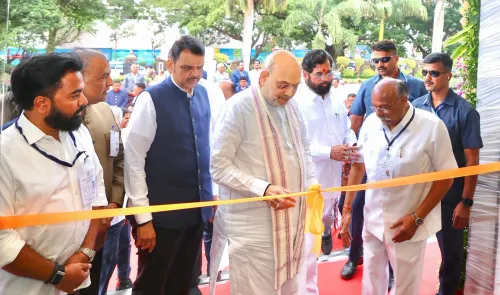
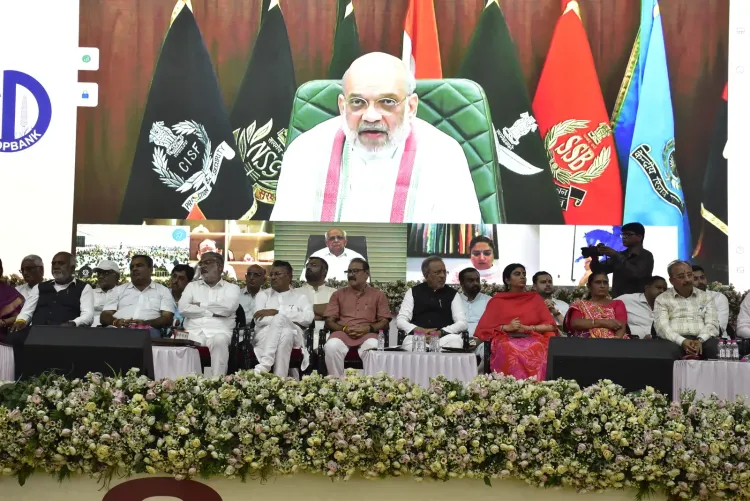
Amit Shah virtually inaugurated Sahakar Bhavan , the new headquarters of The Jamnagar District Co-operative Bank Limited , on 29 July .
The building spans 25,000 sq ft and was constructed at an estimated cost of ₹25 crore , featuring a Kisan hostel, conference hall, and digital banking infrastructure.
The bank has grown from deposits of ₹2.5 lakh at its founding in 1959 to annual business of more than ₹2,154 crore across 40 branches .
Nearly 97% of the bank's total lending is directed to agriculture and allied sectors; net NPA stands at zero per cent .
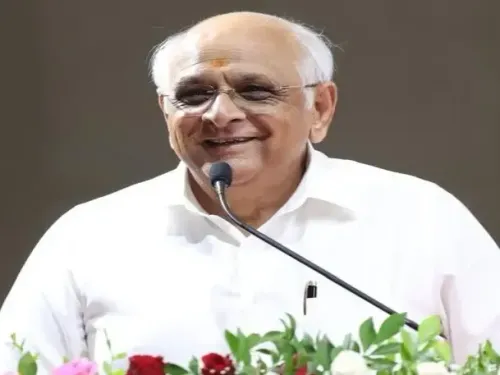
Gujarat CM Bhupendra Patel said the state had extended more than ₹11,500 crore in assistance to farmers affected by excessive rainfall.
Shah invoked PM Modi's 'Sahakar Se Samriddhi' vision, calling cooperative banks essential to India's rural economic upliftment.
Union Home and Cooperation Minister Amit Shah on Tuesday, 29 July virtually inaugurated Sahakar Bhavan, the newly constructed headquarters of The Jamnagar District Co-operative Bank Limited, describing the facility as a catalyst for the economic upliftment of farmers and rural communities across the Halar region of Gujarat. The building, spread over 25,000 square feet and built at an estimated cost of ₹25 crore, is equipped with modern banking infrastructure designed to serve the region's agrarian base.
What the New Headquarters Offers
The Sahakar Bhavan houses meeting and training rooms, a conference hall, dedicated dormitory accommodation for farmers, a kitchen, a dining hall, and a Kisan hostel. Officials said the facility has been developed in line with standards prescribed by the Reserve Bank of India (RBI) and the National Bank for Agriculture and Rural Development (NABARD), with technology-based services integrated across its operations.
What Shah Said
Addressing the event virtually, Minister Shah said reforms introduced in the cooperative sector under Prime Minister Narendra Modi's leadership had strengthened the rural cooperative ecosystem. He described the new headquarters as 'not just a structure but a centre for the economic upliftment of farmers, animal husbandry related farmers, and the rural community across the Halar region.' Shah added that the facility would be a key instrument in realising the Prime Minister's vision of 'Sahakar Se Samriddhi' — prosperity through cooperation. He congratulated bank chairman Jitu Lal and the board of directors, and called for the bank to eventually extend its reach to every village in Jamnagar district.
Bank's Growth Since 1959
Shah noted that the bank had grown from deposits of just ₹2.5 lakh at its founding in 1959 to an annual business volume of more than ₹2,154 crore today. The bank currently operates 40 branches and, according to Gujarat Chief Minister Bhupendra Patel, has channelled nearly 97 per cent of its total lending to agriculture and allied sectors. Its net non-performing assets (NPA) stand at zero per cent, reflecting what Patel described as efficient loan management and strong customer confidence.
Political Leaders Highlight Broader Cooperative Push
Chief Minister Patel, joining virtually from Gandhinagar, said the banking and financial sector would be central to India's goal of becoming the world's third-largest economy during the Modi 3.0 government. He credited the establishment of a separate Ministry of Cooperation under Shah's leadership with making the sector 'stronger and more transparent.' Patel described cooperative banks as 'the big banks for the common people', citing their role in making farmers, labourers, and underprivileged citizens financially self-reliant through service, credit, and women's societies. He also highlighted initiatives such as micro ATMs, Bank Mitras, and digital banking as key drivers of rural financial confidence.
State Government's Cooperative Commitments
State Forest and Environment Minister Arjun Modhwadia said cooperative societies across Gujarat's villages had been digitised under the current leadership. He added that the state government had extended assistance of more than ₹11,500 crore to farmers affected by excessive rainfall and had ensured procurement at the Minimum Support Price (MSP) to support agricultural incomes. The inauguration signals a continued push by the Centre and the Gujarat government to modernise and expand the cooperative banking network as a pillar of rural economic policy.
Point of View
Not public-sector commercial banks, is its chosen instrument for rural financial inclusion. The zero-NPA and 97% agri-lending figures are politically convenient, but they also reflect the narrower risk profile of a district-level cooperative rather than a scalable national model. The real question is whether the Ministry of Cooperation's reform agenda can replicate these metrics at scale, or whether the 'Sahakar Se Samriddhi' framing remains aspirational branding without a credible expansion roadmap.
NationPress
29 Jul 2026
Frequently Asked Questions
What is Sahakar Bhavan in Jamnagar?
Sahakar Bhavan is the newly constructed headquarters of The Jamnagar District Co-operative Bank Limited, inaugurated virtually by Union Minister Amit Shah on 29 July. Built across 25,000 sq ft at an estimated cost of ₹25 crore, it houses modern banking facilities including a Kisan hostel, conference hall, training rooms, and digital banking infrastructure.
Why did Amit Shah inaugurate a cooperative bank headquarters?
As Union Cooperation Minister, Shah has championed the expansion and modernisation of India's cooperative sector under PM Modi's 'Sahakar Se Samriddhi' vision. The inauguration was part of a broader push to position cooperative banks as the primary vehicle for rural financial inclusion and agrarian economic upliftment.
How has The Jamnagar District Co-operative Bank grown since its founding?
The bank was established in 1959 with deposits of just ₹2.5 lakh and now conducts annual business worth more than ₹2,154 crore across 40 branches. Nearly 97% of its lending is directed to agriculture and allied sectors, and its net NPA stands at zero per cent.
What facilities does the new Sahakar Bhavan headquarters include?
The headquarters includes meeting and training rooms, a conference hall, a Kisan hostel, dormitory accommodation for farmers, a kitchen, and a dining hall. It has also integrated technology-based banking services in line with RBI and NABARD standards.
What is the 'Sahakar Se Samriddhi' vision mentioned by Amit Shah?
'Sahakar Se Samriddhi' — meaning 'prosperity through cooperation' — is PM Modi's policy framing for revitalising India's cooperative sector. It underpins the creation of a separate Ministry of Cooperation, headed by Shah, which has focused on digitising cooperative societies and expanding cooperative banking reach to rural communities.