CM Bihar Office: Women's Entrepreneurship Powering Bihar Economy
Synopsis
The Chief Minister's Office of Bihar on 12 July 2026 declared that women's economic empowerment and entrepreneurship are central to strengthening the state's economy, reinforcing a long-running policy strategy anchored by Jeevika self-help groups and social reforms.
Key Takeaways
The Chief Minister's Office of Bihar posted on 12 July 2026 stating that women's empowerment and entrepreneurship are driving Bihar's economic growth.
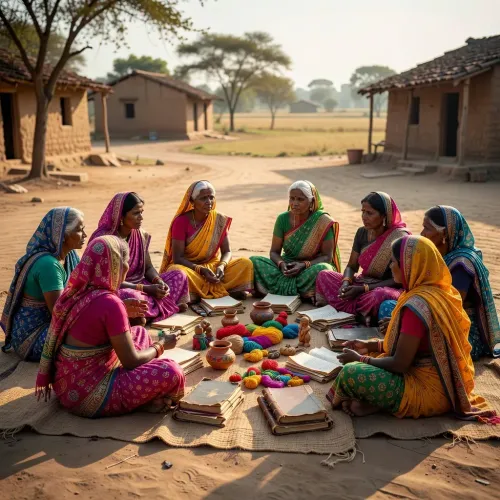
The Jeevika Bihar Rural Livelihoods Project organises rural women into self-help groups for savings, credit, and micro-enterprise support.
Bihar enacted complete prohibition in 2016 to redirect household spending toward productive, women-led economic activities.
Since 2006 , Bihar has maintained 50 percent reservation for women in panchayati raj institutions to strengthen their role in local economic planning.
Potential integration with central schemes such as Stand-Up India could further scale women's entrepreneurship support in the state.
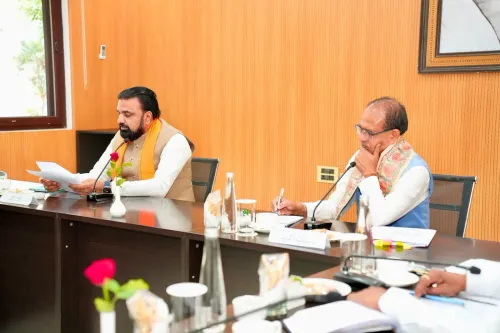
The Chief Minister's Office of Bihar on Sunday, 12 July 2026 shared a statement underscoring the state government's commitment to strengthening Bihar's economy by promoting women's economic empowerment and entrepreneurship.
The post quoted a senior government figure as saying, 'mahilaon ke aarthik sashaktikaran evam udyamita ko badhawa dekar Bihar ki arthvyavastha ko aur adhik sashakt banaya ja raha hai' — 'Bihar's economy is being made stronger by promoting women's economic empowerment and entrepreneurship.'
Context
Bihar has long grappled with the challenge of raising female labour-force participation in one of India's less industrialised states. The state government's latest communication signals a continued official emphasis on linking women-led enterprise with broader economic growth. The statement positions women's entrepreneurship not merely as a welfare measure but as a structural driver of the state's economic trajectory.Policy Backdrop
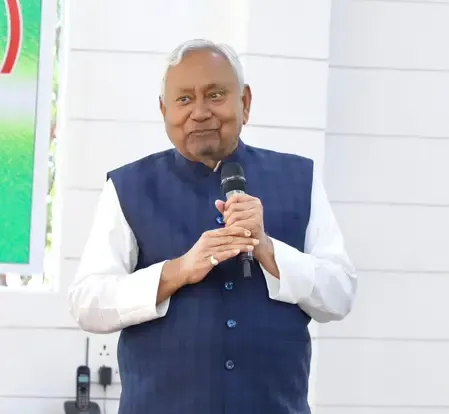
Bihar has pursued a multi-pronged strategy over the past two decades to embed women's economic participation into mainstream policy. The Jeevika programme — the Bihar Rural Livelihoods Project — has been a flagship instrument, organising rural women into self-help groups to facilitate savings, credit access, and micro-enterprise formation. In 2016, the state enacted complete prohibition on alcohol sales, partly to redirect household expenditure toward productive and women-led economic activities. As far back as 2006, Bihar implemented 50 percent reservation for women in panchayati raj institutions, expanding their role in local economic planning and resource allocation. Successive state budgets have expanded credit linkages and skill training for women-run enterprises. Chief Minister Nitish Kumar has consistently framed these social reforms and livelihood programmes as complementary levers for inclusive growth.Stakeholders and Impact
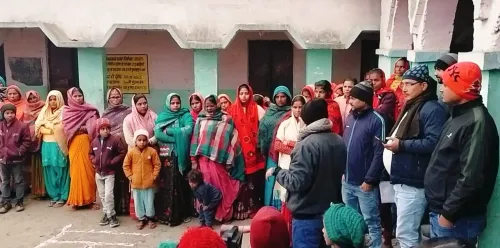
The primary beneficiaries of this policy direction are rural women and women entrepreneurs across Bihar's districts. Self-help group members under Jeevika and allied schemes gain access to institutional credit and market linkages that were historically out of reach. At a macro level, raising female economic participation addresses Bihar's structural challenge of generating livelihoods in a state where agriculture remains dominant and industrial investment has historically lagged. Broader integration with central government programmes such as Stand-Up India, which provides loans to women entrepreneurs, could further amplify the state's efforts.What's Next
Attention will now turn to the next state budget cycle and any fresh guidelines under women entrepreneurship schemes that translate this stated commitment into specific allocations. Analysts tracking Bihar's development trajectory will watch for measurable targets — credit disbursement volumes, enterprise registrations, and household income data — that can substantiate the government's claim of a stronger, more inclusive economy. The degree to which state schemes are integrated with central programmes will be a key indicator of implementation ambition.Point of View
Political reservation, and Jeevika under a single 'women-led growth' umbrella, the administration seeks to present Bihar's development model as structurally inclusive. The statement arrives at a time when Bihar's per-capita income gap with the national average remains a politically sensitive issue, making women's economic participation a convenient and credible growth story. Whether the rhetoric translates into verifiable economic outcomes will determine its durability as a policy and electoral asset.
NationPress
12 Jul 2026
Frequently Asked Questions
What is the Bihar government doing for women's economic empowerment?
The Bihar government is promoting women's economic empowerment through programmes like Jeevika, which organises rural women into self-help groups for credit and enterprise support, alongside policies such as prohibition and political reservation in local bodies.
What is the Jeevika scheme in Bihar?
Jeevika is the Bihar Rural Livelihoods Project that connects rural women with self-help groups to facilitate savings, access to institutional credit, and micro-enterprise development, making it a cornerstone of women's economic participation in the state.
How has Nitish Kumar supported women entrepreneurs in Bihar?
Chief Minister Nitish Kumar has backed women entrepreneurs through Jeevika, state budget allocations for skill training and credit linkages, a 2016 statewide alcohol prohibition, and 50 percent reservation for women in panchayati raj institutions since 2006.
What is Bihar's policy on women in panchayati raj?
Since 2006, Bihar has reserved 50 percent of seats in panchayati raj institutions for women, giving them a formal role in local governance and economic planning at the grassroots level.
How does Bihar's alcohol prohibition relate to women's empowerment?
Bihar's complete prohibition on alcohol sales, enacted in 2016, was partly designed to reduce household spending on liquor and redirect those savings toward productive activities, benefiting women-led economic initiatives in rural areas.