CM Chandrababu Meets Central Team on Cyclone Arnab Damage
Synopsis
Chief Minister Chandrababu Naidu met the central cyclone-damage assessment team on November 2, citing a preliminary Rs. 4,526 crore loss from Cyclone Arnab, deploying 7,000 workers for power restoration, and urging swift central relief even as Cyclone Murasu struck the state.
Key Takeaways
Cyclone Arnab caused an estimated Rs.
4,526 crore in damage to Andhra Pradesh, per the state government's preliminary assessment.
CM Chandrababu Naidu met the central assessment team on November 2, 2026 and has already sent the preliminary damage report to the Centre.
Cyclone Murasu struck Andhra Pradesh before the state could recover from Arnab, creating a compounded disaster situation.
The state's Real Time Governance Centre and technology integration are credited with significantly reducing casualties during Cyclone Arnab.
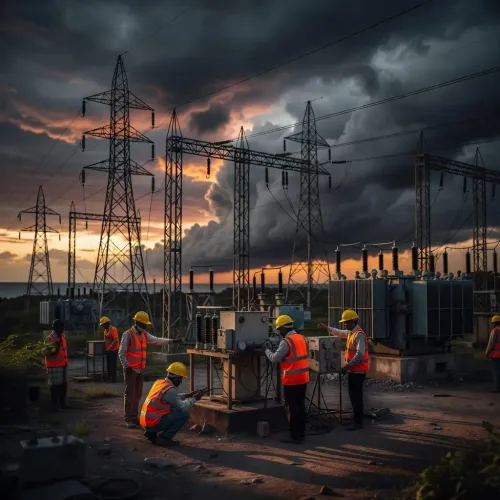
7,000 personnel are working on a war footing to restore electricity disrupted by Cyclone Arnab.
Naidu urged the central team to fast-track its recommendations to unlock disaster-relief funding for the state.
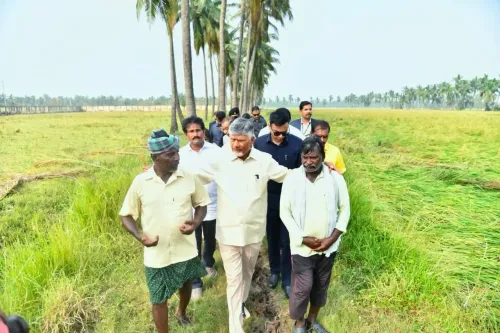
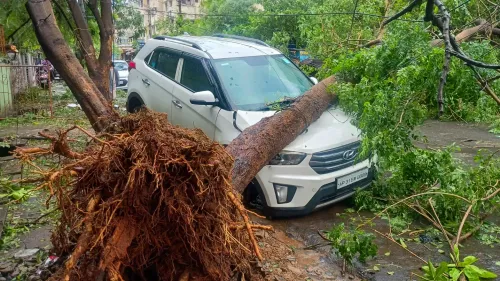
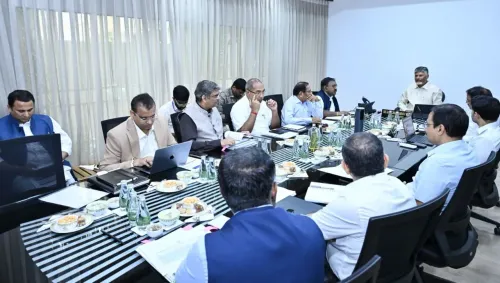
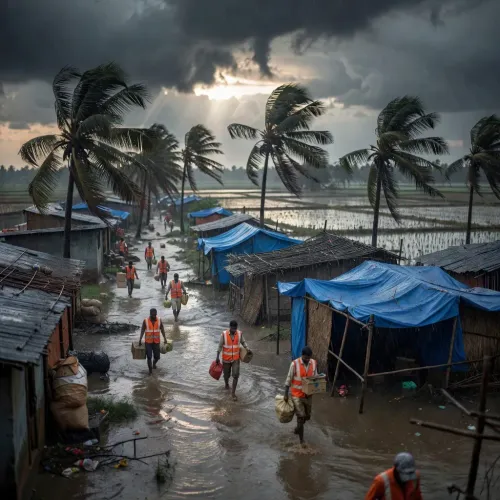
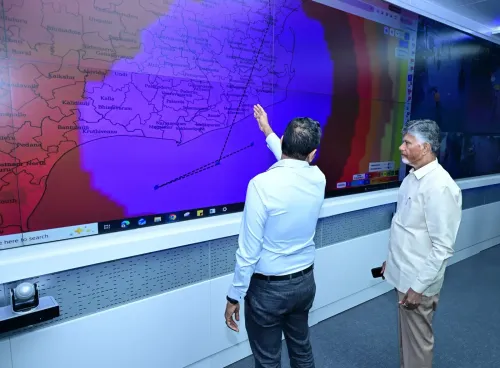
Before Andhra Pradesh could even finish counting the cost of one cyclone, the next one arrived. Chief Minister Nara Chandrababu Naidu met a central government assessment team in Andhra Pradesh on Monday, November 2, 2026, to discuss the preliminary damage survey from Cyclone Arnab — even as Cyclone Murasu was already making landfall on the battered coastline.
Rs. 4,526 Crore in Damage — and a Second Storm at the Door
The state government's preliminary estimate puts the damage from Cyclone Arnab at Rs. 4,526 crore. Naidu told the visiting central team that his government had already dispatched the preliminary damage report to the Centre and urged the team to move swiftly on its recommendations so that financial relief could reach the state without delay.
The timing is brutal. With Arnab's losses still unrecovered, Cyclone Murasu is compounding the crisis across coastal districts — a double blow that is stretching the state's disaster-response machinery to its limits.
Technology on the Front Line: How Arnab's Toll Was Contained
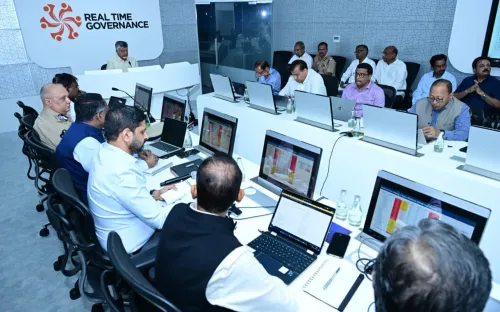
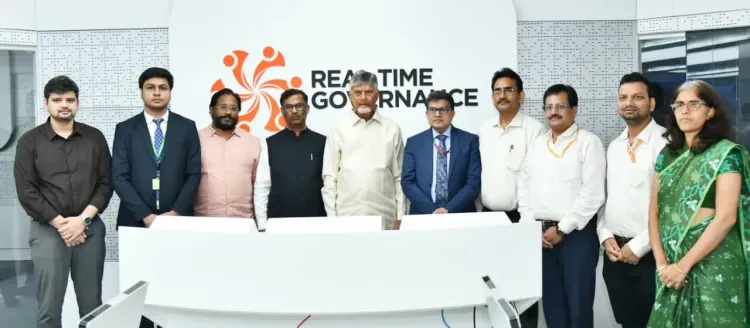
Naidu credited the state's Real Time Governance Centre and integration of multiple technologies for significantly limiting casualties during Cyclone Arnab. The RTGC — a flagship initiative that uses live data dashboards and coordinated monitoring to drive administrative decisions — has been central to Andhra Pradesh's disaster preparedness architecture across successive governments.
The claim that technology kept the death toll down reflects a broader investment the state has made in early-warning and real-time response systems, particularly relevant given that Andhra Pradesh's long Bay of Bengal coastline has made it one of India's most cyclone-exposed states.
7,000 Workers Racing to Restore Power
On the ground, the CM said 7,000 personnel are working on a war footing to restore electricity supply disrupted by Cyclone Arnab. Power restoration is typically the most visible and urgent task following a coastal cyclone, affecting hospitals, water supply, and livelihoods across affected districts.
Naidu thanked the central team for travelling to the state quickly to conduct the on-ground assessment — a gesture that signals the state is keen to fast-track the formal damage certification process that unlocks central funds from the National Disaster Response Fund.
What the Centre's Response Means Now
With two storms effectively overlapping, the speed at which the central team finalises its recommendations will directly determine how quickly relief money flows. Andhra Pradesh has navigated this path before — after Cyclone Hudhud in 2014, the state-Centre coordination process for damage assessment set a template the state has since refined. The pressure this time is higher: the state needs the Centre to act on Arnab even as Murasu writes a fresh chapter of destruction.
Two cyclones. One coast. One government demanding the Centre move fast — the next few days will test whether India's disaster-finance machinery can match the pace of back-to-back storms.
Point of View
And at what valuation, will shape the political narrative around both cyclones for weeks.
NationPress
2 Nov 2026
Frequently Asked Questions
What is the estimated damage from Cyclone Arnab in Andhra Pradesh?
The Andhra Pradesh government's preliminary estimate puts the damage from Cyclone Arnab at Rs. 4,526 crore .
What is the Real Time Governance Centre in Andhra Pradesh?
The Real Time Governance Centre (RTGC) is an Andhra Pradesh government initiative that uses live data dashboards and coordinated monitoring to enable data-driven administrative decisions, including disaster response coordination.
Who met the central cyclone assessment team in Andhra Pradesh?
Chief Minister Nara Chandrababu Naidu met the central government team that arrived in Andhra Pradesh to assess the damage caused by Cyclone Arnab.
What is Cyclone Murasu and how does it relate to Cyclone Arnab?
Cyclone Murasu is a second cyclonic system that struck Andhra Pradesh before the state had fully recovered from the damage caused by Cyclone Arnab, compounding the disaster situation on the coast.
How many workers are deployed for power restoration in Andhra Pradesh after the cyclone?
The Andhra Pradesh government has deployed 7,000 personnel on a war footing to restore electricity supply disrupted by Cyclone Arnab.