CM Chandrababu Naidu Reviews Rain Alert, Orders Districts on Full Alert
Synopsis
Chief Minister Nara Chandrababu Naidu convened a teleconference with district collectors in rain-affected areas of Andhra Pradesh on September 24, 2026, ordering full administrative alert, operational control rooms, real-time field reporting, and immediate relief action as heavy rainfall is forecast to continue.
Key Takeaways
CM Nara Chandrababu Naidu held a teleconference on September 24, 2026 with collectors of rain-affected districts in Andhra Pradesh .
Heavy rainfall is forecast to continue on September 24 and 25 , prompting the high-level review.
Collectors were ordered to establish control rooms and maintain continuous field-level information flow.
Immediate relief and assistance measures were specifically directed — not deferred pending worsening conditions.
The directive reflects Andhra Pradesh's long-standing monsoon-response protocol of direct Chief Minister oversight during active rainfall alerts.
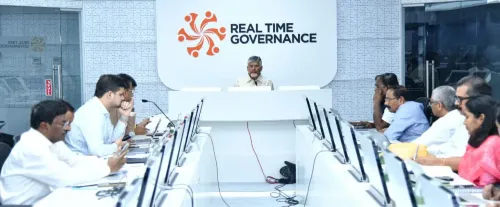
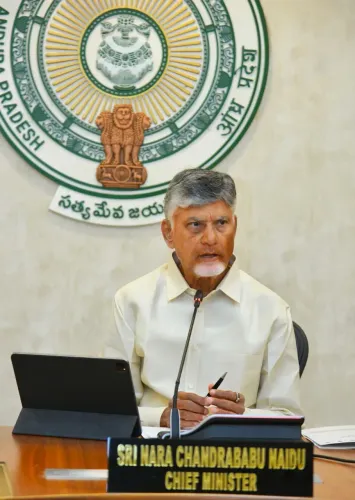
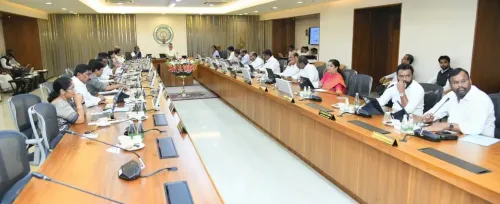
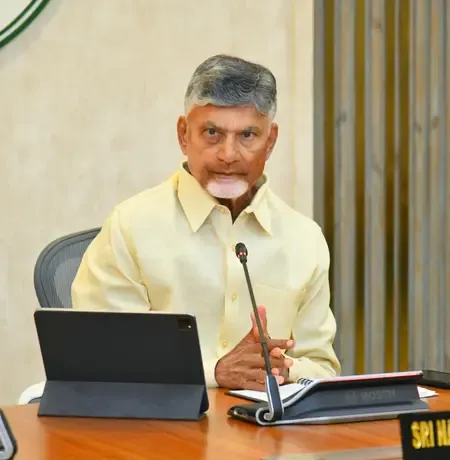
With more rain forecast for Andhra Pradesh through Thursday and Friday, Chief Minister Nara Chandrababu Naidu convened an urgent teleconference on September 24, 2026 with district collectors across rain-affected districts — demanding zero slack in the state's response machinery.
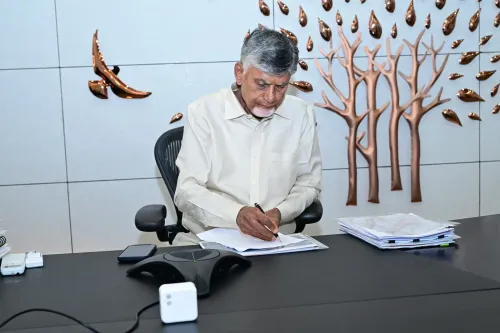
The Chief Minister's Office of Andhra Pradesh confirmed that CM Naidu issued direct orders for district administrations to remain on full alert. In his own words, collectors were told to set up control rooms, maintain live information flow from the field, and initiate immediate relief measures wherever required.
The Teleconference Directive: What Naidu Ordered
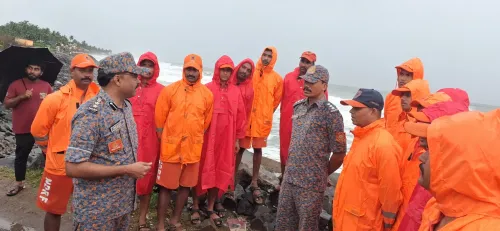
The instruction chain was clear and urgent. Control rooms must be operational. Ground-level data must reach the state in real time. And critically — relief action must not wait. CM Naidu left no room for a passive watch-and-wait approach, insisting that preparedness and response run in parallel as the rainfall continues.
The directive covers not just today's conditions but tomorrow's as well, reflecting the weather forecast that anticipates continued heavy rainfall across the state. District collectors — the frontline administrative officers who coordinate everything from evacuation logistics to emergency supplies — are the direct recipients of this pressure from the top.
Why Andhra Pradesh Is Particularly Vulnerable Each Monsoon
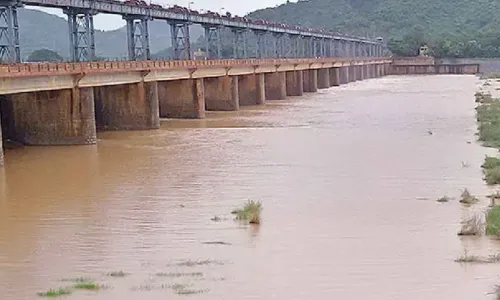
Andhra Pradesh's geography tells the story. The state's long eastern coastline and river-fed inland districts make it a recurring target for monsoon distress — flooded agricultural land, inundated villages, and overwhelmed drainage systems. State administrations here have for decades built a pattern of activating collector-level reviews the moment forecasts turn serious.
What sets this moment apart is the directness of the Chief Minister's personal involvement. A teleconference with collectors — rather than a delegated advisory — signals that the state government is treating the forecast as a genuine threat threshold, not a routine alert.
The Control-Room Model and What Comes Next
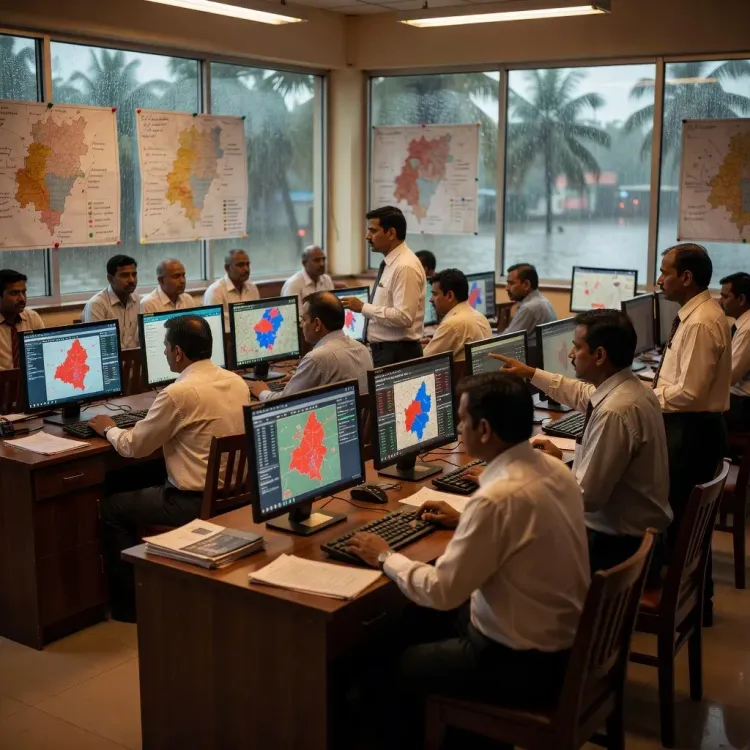
The control-room mechanism is a proven rapid-response tool: a dedicated nerve centre in each district that aggregates field reports, coordinates rescue teams, and channels information upward to the state. When CM Naidu specifically named this structure in his directive, he was activating an institutional muscle that Andhra Pradesh has exercised through multiple flood cycles.
What to watch now: whether district reports trigger escalation — evacuations, NDRF deployment, or crop-loss assessments — if conditions worsen over the next 24 to 48 hours. The Chief Minister has set the machinery in motion. The rain will decide what it demands next.
Point of View
Direct digital oversight of district machinery aligns with his administrative brand. The directive also pre-empts criticism: activating control rooms and demanding relief action before conditions worsen is textbook political risk management in a coastal state where flood mismanagement has historically cost governments dearly. Whether the on-ground response matches the top-level urgency will be the real test.
NationPress
24 Sept 2026
Frequently Asked Questions
Why did CM Chandrababu Naidu hold a teleconference with district collectors on September 24?
Heavy rainfall was forecast to continue across Andhra Pradesh on September 24 and 25, prompting CM Naidu to directly review preparedness with collectors in rain-affected districts and issue orders for immediate action.
What did CM Naidu order district collectors to do during the rain alert?
CM Naidu directed collectors to remain on full alert, set up operational control rooms, gather real-time field-level information, and initiate immediate relief measures without delay.
Which districts in Andhra Pradesh are affected by heavy rainfall?
The teleconference covered collectors from rain-affected districts across Andhra Pradesh. Specific district names were not confirmed in the official communication.
What is the role of control rooms in Andhra Pradesh's flood response?
Control rooms serve as district-level coordination hubs that aggregate ground reports, manage rescue logistics, and relay information to the state government, enabling faster response during active rainfall emergencies.
Is direct CM oversight during monsoon alerts normal in Andhra Pradesh?
Yes. Andhra Pradesh administrations have historically conducted direct reviews with district collectors during serious monsoon events, and teleconferences are a standard mechanism for rapid state-to-district information flow.