CM Samrat Choudhary demands Congress apology for 1984 Sikh riots
Synopsis
Bihar CM Samrat Choudhary amplified BJP National President Nitin Nabin's demand that Congress seek forgiveness for the 1984 anti-Sikh violence, invoking Rajiv Gandhi's controversial 'big tree' remark and asking Rahul Gandhi to apologise before holding political rallies.
Key Takeaways
Bihar CM Samrat Choudhary shared a statement by BJP National President Nitin Nabin on 1 November 2026 , demanding Congress seek atonement for the 1984 anti-Sikh riots.
The statement directly invokes Rajiv Gandhi 's remark — 'when a big tree falls, the earth shakes' — made after Indira Gandhi 's assassination on 31 October 1984 .
Rahul Gandhi is personally addressed and asked why he is holding a rally instead of issuing an apology on behalf of Congress.
The 1984 anti-Sikh riots killed thousands across India and remain a deeply contested chapter in the Congress party's political legacy.
BJP leaders have consistently raised the 1984 violence around its anniversary to press Congress on minority accountability.
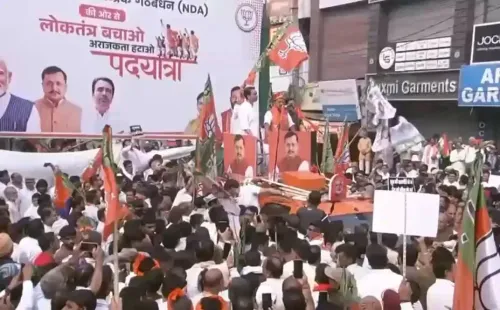
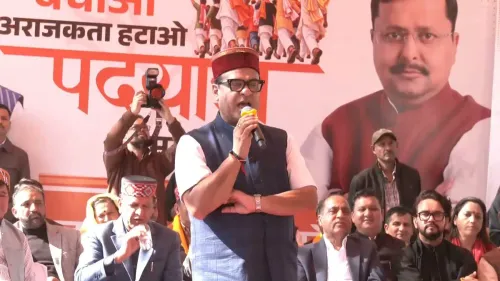
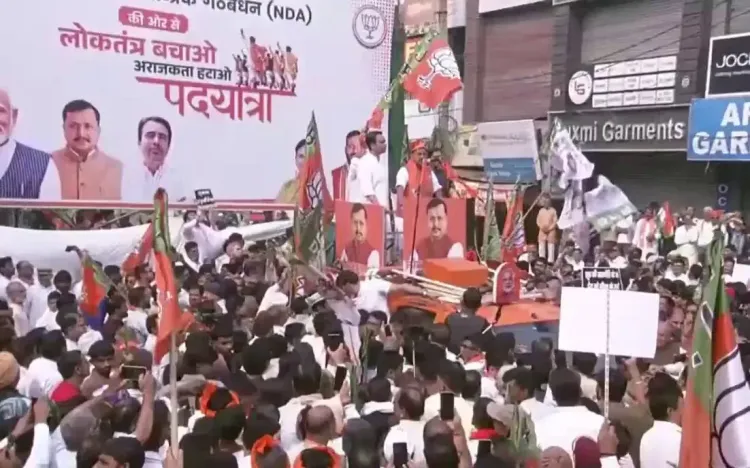
Forty-two years after one of independent India's darkest episodes, the wounds of November 1984 are back at the centre of Indian political discourse — and Bihar Chief Minister Samrat Choudhary is making sure no one looks away. On Sunday, 1 November 2026, Choudhary shared a pointed statement by BJP National President Nitin Nabin, demanding that the Congress party seek public atonement for the anti-Sikh violence of 1984, even as the party was reportedly holding a rally.
Rajiv Gandhi's 'big tree' quote: still a live wire in 2026
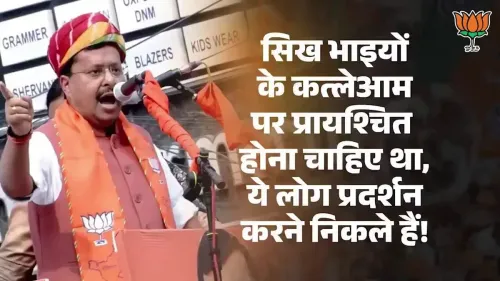
The statement shared by Choudhary quotes Nabin asking directly: 'Rahul ji, jab Sikh bhaiyon ka katleaam hua tha, tab aapke pitaji ne kaha tha ki jab bada ped girta hai, toh dharti kaampti hai' — 'Rahul ji, when our Sikh brothers were massacred, your father said: when a big tree falls, the earth shakes.' The remark attributed to former Prime Minister Rajiv Gandhi — made in the immediate aftermath of his mother Prime Minister Indira Gandhi's assassination on 31 October 1984 — has been a combustible reference point in Indian politics for decades.
The anti-Sikh riots that followed Indira Gandhi's killing left thousands dead across India. The violence, concentrated in cities including Delhi, has never fully been resolved in the country's political conscience. BJP leaders have long cited Congress's failure to issue a formal, unconditional apology as evidence of the party's selective approach to minority welfare.
Nabin's challenge: apology before a rally
The core of Nabin's statement — as amplified by CM Choudhary — is a sharp moral argument: before rallying in public, Congress owes the Sikh community remorse, not optics. 'Congress should have done penance, should have sought forgiveness,' the statement reads. Instead, it says, the party chose to hold a demonstration. The timing is pointed. 1 November falls just one day after the anniversary of Indira Gandhi's assassination, placing any political gathering by Congress under immediate historical scrutiny.
Nabin's statement goes further, pressing Rahul Gandhi personally: how many Sikh lives were extinguished because of the earth that 'shook'? 'You should have felt regret. You should have sought an apology. Instead, you are out to demonstrate.' It is a direct generational accountability demand — asking the son to answer for the father's legacy.
A fault line that refuses to close
BJP's invocation of 1984 is a deliberate, recurring strategic tool — and it lands with particular force each year around the October–November anniversary window. For the Sikh community, the riots remain an open sore: victims' families have for decades sought justice in court and recognition from New Delhi. Congress leaders have, over the years, expressed regret in varying degrees — former Prime Minister Manmohan Singh offered an apology in Parliament in 2005 — but critics argue it stopped well short of full political accountability.
By amplifying Nabin's statement on this specific date, CM Choudhary is doing two things simultaneously: keeping the historical grievance alive before the Sikh electorate, and framing any Congress public event today as, at best, tone-deaf and, at worst, brazen. The political math is as deliberate as the calendar.
Point of View
The party maximises reach across regions with significant Sikh populations. Pressing Rahul Gandhi personally — rather than just 'Congress' as an institution — is a deliberate escalation, turning a historical grievance into a live generational question. Until Congress frames a clearer, unified response to 1984, this attack line will remain one of BJP's most reliable instruments around the late-October calendar.
NationPress
1 Nov 2026
Frequently Asked Questions
What did Rajiv Gandhi say after Indira Gandhi's assassination in 1984?
Rajiv Gandhi was widely reported to have said 'when a big tree falls, the earth shakes,' a remark that critics have long cited as implicitly justifying or dismissing the anti-Sikh violence that erupted after Indira Gandhi's assassination on 31 October 1984.
What happened to Sikhs on 1 November 1984?
Following the assassination of Prime Minister Indira Gandhi on 31 October 1984, widespread violence targeting the Sikh community broke out across India, particularly in Delhi. Thousands of Sikhs were killed in what is widely described as a pogrom or anti-Sikh riots.
Has Congress ever apologised for the 1984 anti-Sikh riots?
Former Prime Minister Manmohan Singh expressed regret and apology in Parliament in 2005, but critics — including BJP leaders — argue that Congress as a political organisation has never issued a full, unconditional apology or accepted institutional responsibility.
Why does BJP raise the 1984 riots issue around November every year?
The anniversary of Indira Gandhi's assassination falls on 31 October, making November 1 the date the anti-Sikh violence began. BJP leaders consistently use this period to demand Congress accountability for the riots, keeping the issue alive before the Sikh electorate and framing it as evidence of the party's record on minority protection.