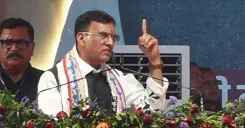
CM Rekha Gupta Demands Congress Apology for 1984 Anti-Sikh Violence
Synopsis
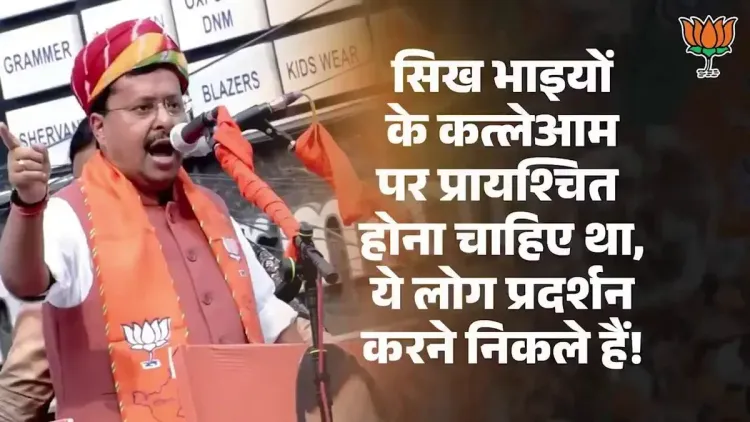
On the 42nd anniversary of the 1984 anti-Sikh violence, Delhi CM Rekha Gupta quoted BJP national president Nitin Nabin in demanding that Congress repent and apologise for the massacres that followed Indira Gandhi's assassination.
Key Takeaways
Delhi Chief Minister Rekha Gupta posted a demand on 1 November 2026 marking the anniversary of the 1984 anti-Sikh massacres .
The post quotes BJP national president Nitin Nabin calling on Congress to 'repent and seek forgiveness' for the violence.
The 1984 riots followed PM Indira Gandhi's assassination on 31 October 1984 and resulted in thousands of Sikh deaths, primarily in Delhi .
The Nanavati Commission , set up in 2000 , investigated political and state roles in the violence; demands for full accountability remain unresolved.
BJP leaders routinely renew demands for a Congress apology around early November each year, embedding historical grievance in ongoing partisan messaging.
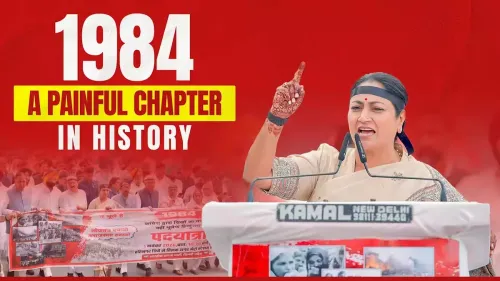
Forty-two years on, the wounds of November 1984 refuse to close in Indian politics. On Sunday, 1 November 2026, Delhi Chief Minister Rekha Gupta marked the anniversary of the anti-Sikh violence by demanding that the Indian National Congress publicly atone and apologise for the massacres that claimed thousands of Sikh lives in the days following Prime Minister Indira Gandhi's assassination on 31 October 1984.
The post quotes BJP national president Nitin Nabin directly: 'आज ही के दिन 1984 में हमारे सिख भाइयों के साथ जो कत्लेआम हुआ...' — 'On this very day in 1984, the massacre that was carried out against our Sikh brothers, the sacrifices they had to make, the killings that happened — Congress should have repented for this and sought forgiveness.'
What Happened in 1984 and Why Congress Remains in the Dock
The violence that erupted across India after Indira Gandhi's assassination by her Sikh bodyguards on 31 October 1984 was among the worst communal massacres in the country's post-Independence history. Thousands of Sikh civilians were killed — predominantly in Delhi — in targeted mob violence over several days.
Multiple government inquiries followed over the decades, most notably the Nanavati Commission, established in 2000, which examined the role of political figures and state machinery in the riots. Congress leaders have faced persistent allegations of complicity; the party has stopped short of an unconditional public apology, a silence that BJP leaders invoke as a recurring political charge — especially around early-November anniversaries.
A Recurring Political Reckoning Every November
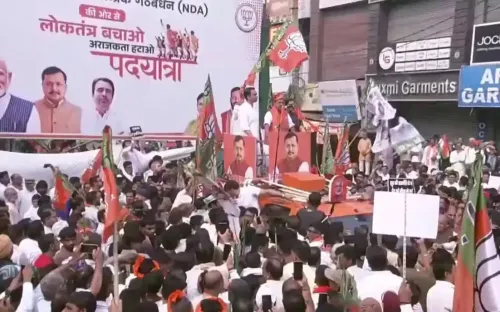
The anniversary cycle makes this statement predictable in timing but pointed in intent. Each year, as November opens, BJP and allied leaders renew demands for Congress accountability, framing the 1984 violence as a test of the party's moral standing on minority protection. The hashtags carried in CM Gupta's post — #SaveDemocracyRemoveAnarchy and #लोकतंत्र_बचाओ_अराजकता_हटाओ — situate the tribute within a broader political campaign narrative, linking historical grievance to present-day electoral messaging.
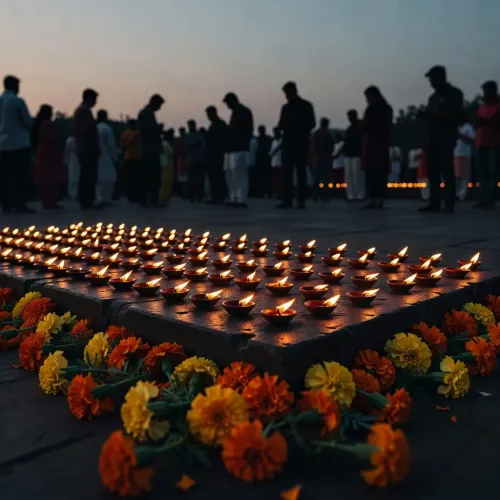
For the Sikh community and the families of victims, the anniversary remains a moment of raw memory. Demands for justice — including criminal accountability for identified perpetrators — have outlasted multiple governments and remain unresolved in courts even four decades later.
If Congress does not respond, that silence will itself become the next day's headline. It always does.
Point of View
CM Gupta amplifies its organisational weight beyond a personal comment. For the Congress, any response risks either re-opening uncomfortable history or appearing indifferent to Sikh grief. The hashtag pairing of historical tribute with a present-day anti-anarchy campaign reveals how seamlessly the BJP fuses memory politics with live electoral narratives.
NationPress
1 Nov 2026
Frequently Asked Questions
What happened in the 1984 anti-Sikh riots?
Following the assassination of Prime Minister Indira Gandhi on 31 October 1984 by her Sikh bodyguards, widespread mob violence erupted across India — mainly in Delhi — killing thousands of Sikh civilians over several days.
Why is Congress blamed for the 1984 anti-Sikh violence?
Multiple inquiry commissions, including the Nanavati Commission of 2000, examined allegations that Congress-affiliated leaders and local politicians incited or facilitated the mobs. The party has not issued an unconditional public apology.
What did Delhi CM Rekha Gupta say about 1984?
CM Rekha Gupta quoted BJP national president Nitin Nabin demanding that Congress repent and apologise for the massacre of Sikhs on the 42nd anniversary of the violence, on 1 November 2026.
What was the Nanavati Commission?
The Nanavati Commission was a government inquiry established in 2000 to investigate the causes and conduct of the 1984 anti-Sikh riots, including the alleged involvement of political figures.
Has Congress ever apologised for the 1984 riots?
Congress has not issued a comprehensive unconditional apology for the 1984 violence; some individual leaders have expressed regret over the years, but the party's formal response has remained a subject of political controversy.