CM Samrat Choudhary launches 'Aangan Ka Milan' from Patna's Phulwari Sharif
Synopsis
Bihar Chief Minister Samrat Choudhary launched the statewide 'Aangan Ka Milan' programme from Anganwadi Centre No. 137 in Phulwari Sharif on 29 September 2026, felicitating frontline workers and releasing the 'Suposhan Bachpan Ki Rasoi' nutrition booklet under the Seva Sankalp Abhiyan.
Key Takeaways
Bihar CM Samrat Choudhary launched the 'Aangan Ka Milan' programme on 29 September 2026 from Anganwadi Centre No.
137, Phulwari Sharif, Patna .
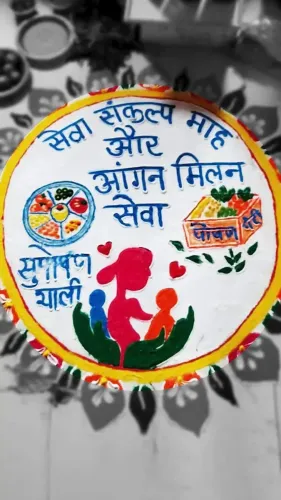
The programme is part of the state's Seva Sankalp Abhiyan , a grassroots service-delivery outreach campaign.
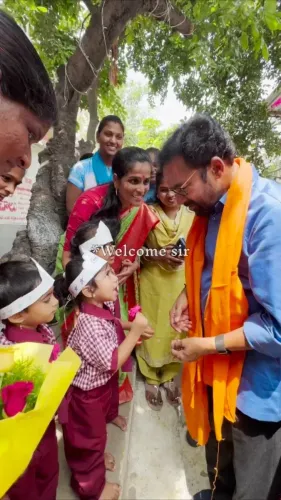
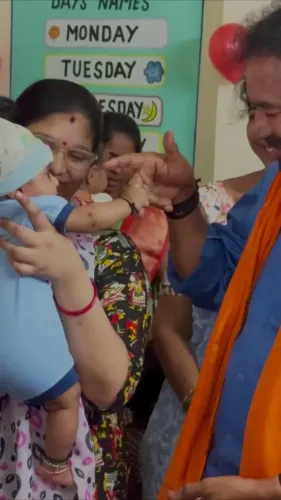
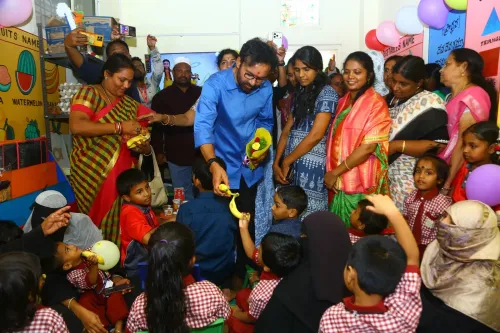
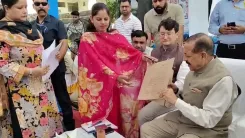
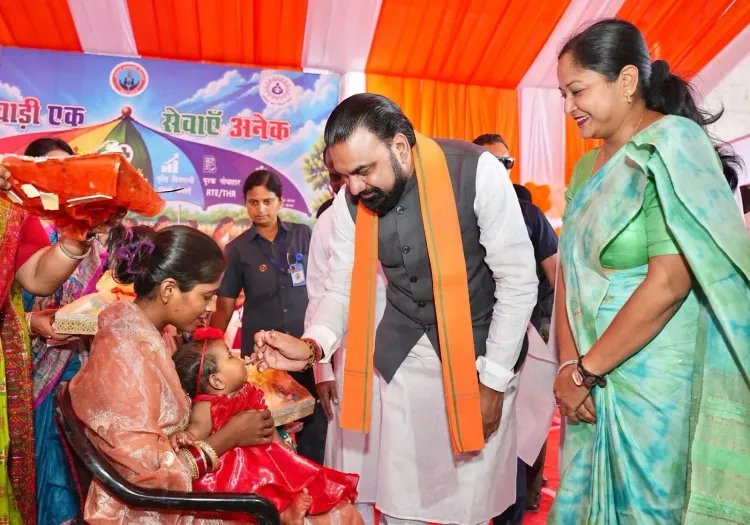
The CM interacted directly with children at the centre and inspected available facilities.
Frontline workers — Sevika , Sahayika , and ASHA Didi — were publicly felicitated at the event.
A nutrition booklet titled 'Suposhan Bachpan Ki Rasoi' was released to guide families on child nutrition.
The programme builds on the national ICDS (1975) and POSHAN Abhiyan (2018) frameworks already operational in Bihar.
A statewide childhood welfare drive got its first heartbeat on Tuesday, 29 September 2026, when Bihar Chief Minister Samrat Choudhary walked into Anganwadi Centre No. 137 in Phulwari Sharif, Patna, sat down with the children there, and formally launched the 'Aangan Ka Milan' ('Meeting of the Courtyard') programme under the state's Seva Sankalp Abhiyan.
The Chief Minister posted on X that he held warm conversations with the children — asking about their studies and daily activities — and personally inspected the facilities available at the centre. The choice of Phulwari Sharif, a town in Patna district that has repeatedly served as a launchpad for Bihar government outreach drives, was deliberate: a high-visibility urban-fringe location that signals the programme's intent to reach every corner of the state.
Frontline workers honoured, nutrition booklet released
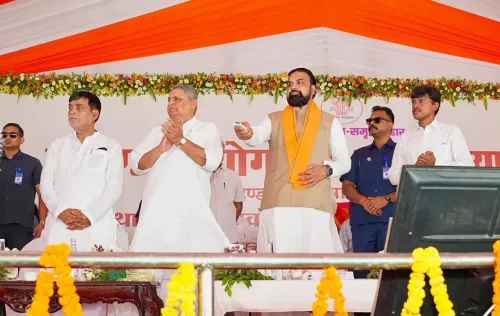
Beyond the optics of a leader playing with children, the event carried a specific institutional purpose. CM Choudhary felicitated the centre's Sevika (supervisor), Sahayika (helper), and ASHA Didi — the community health volunteer — publicly recognising the women who keep India's grassroots child-welfare machinery running day to day. He also released a booklet titled 'Suposhan Bachpan Ki Rasoi' ('Kitchen for a Well-Nourished Childhood'), a practical nutrition guide aimed at families with young children.
ASHA workers are community health volunteers deployed under the National Rural Health Mission to support maternal and child health at the village level. Their public recognition alongside Anganwadi staff signals the state's intent to boost morale among a workforce that is chronically under-acknowledged despite being the last mile of India's welfare delivery chain.
Decades of national architecture, Bihar's new layer on top
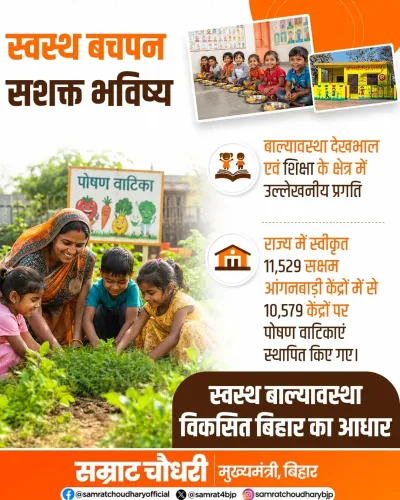
The Anganwadi system itself is not new. The Integrated Child Development Services (ICDS) scheme was launched in 1975 to address child malnutrition and early-childhood development across India, making it one of the world's largest public nutrition programmes. The POSHAN Abhiyan, launched in 2018, added a sharper focus on measurable nutrition outcomes through the same network of centres. Bihar's Aangan Ka Milan programme layers a community-engagement and inspection mechanism on top of this existing architecture — combining facility audits with worker recognition to improve programme uptake at the ground level.
Indian state governments have periodically run such supplementary drives precisely because the ICDS framework, while vast, has historically struggled with attendance gaps and variable service quality. A named campaign with a Chief Minister's direct involvement is a tested way to generate local accountability quickly.
What the statewide rollout will need to prove
The launch at a single centre is the easy part. The harder test is whether Aangan Ka Milan generates measurable improvements in Anganwadi attendance figures and nutrition indicators across Bihar's tens of thousands of centres — the metric that will determine whether this is a durable welfare push or a well-photographed single day.
For now, the image from Centre No. 137 is clear: a Chief Minister on the floor with children, a booklet in hand, and a garland around a frontline worker's neck. Bihar's childhood welfare drive has a name, a face, and a starting address. The rest of the state is watching.
Point of View
A pattern common among state chief ministers seeking to build a welfare-delivery narrative.
NationPress
29 Sept 2026
Frequently Asked Questions
What is the 'Aangan Ka Milan' programme in Bihar?
'Aangan Ka Milan' is a statewide community-engagement initiative launched by Bihar Chief Minister Samrat Choudhary on 29 September 2026 under the Seva Sankalp Abhiyan, aimed at strengthening service delivery and community participation at Anganwadi centres across the state.
What is the Seva Sankalp Abhiyan?
Seva Sankalp Abhiyan is a Bihar government campaign focused on grassroots service delivery and public outreach. The 'Aangan Ka Milan' programme is one of its key components targeting child welfare and nutrition.
What is the 'Suposhan Bachpan Ki Rasoi' booklet?
'Suposhan Bachpan Ki Rasoi' — meaning 'Kitchen for a Well-Nourished Childhood' — is a nutrition guide released by CM Samrat Choudhary at the Aangan Ka Milan launch, aimed at helping families provide better nutrition to young children.
What is an Anganwadi centre and what services does it provide?
Anganwadi centres are grassroots child-care facilities operating under India's Integrated Child Development Services scheme, launched in 1975. They provide nutrition support, preschool education, and basic health services to children under six and their mothers.
Who are ASHA workers and why were they honoured at the Bihar event?
ASHA (Accredited Social Health Activist) workers are community health volunteers under the National Rural Health Mission who support maternal and child health at the village level. CM Choudhary felicitated them alongside Anganwadi staff to recognise their frontline role in welfare delivery.