CM Samrat Choudhary offers Satyanarayan puja on Guru Purnima
Synopsis
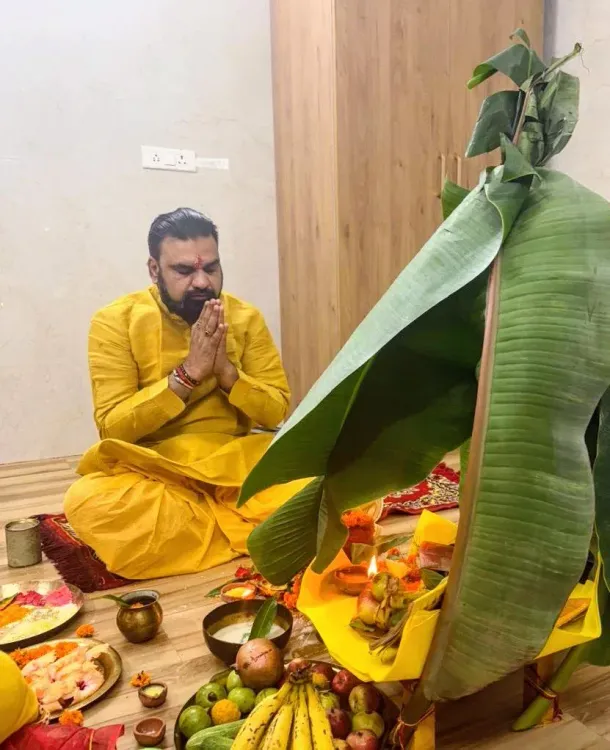
Bihar Chief Minister Samrat Choudhary marked Guru Purnima on 29 July 2026 by performing Satyanarayan puja and listening to the sacred katha, publicly praying for the happiness, prosperity, and health of all Bihar residents while invoking values of knowledge, service, and humility.
Key Takeaways
Bihar Chief Minister Samrat Choudhary observed Guru Purnima on 29 July 2026 with Satyanarayan puja and katha recitation.
He publicly prayed for the happiness, prosperity, good health, and well-being of all Bihar residents.
The Chief Minister highlighted knowledge, service, humility, and righteous conduct as the core values Guru Purnima inspires.
Guru Purnima falls on the full moon of the Hindu month of Ashadha and is widely observed across Bihar .
The Satyanarayan katha is a traditional full-moon ritual, making the observance culturally resonant with millions of Bihari families.
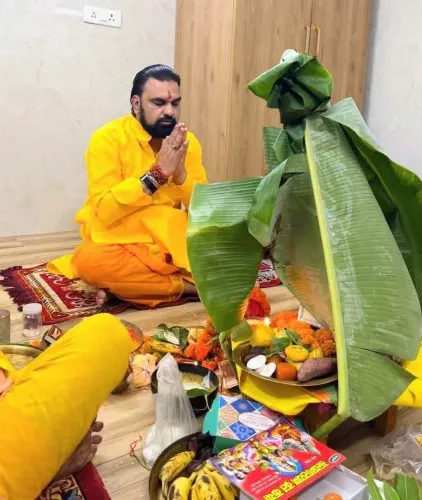
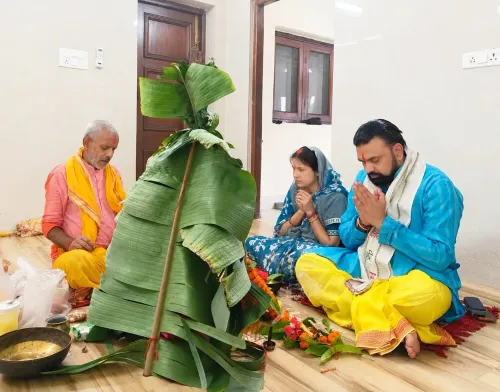
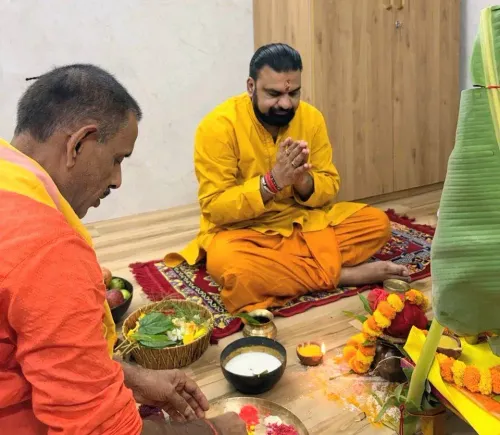
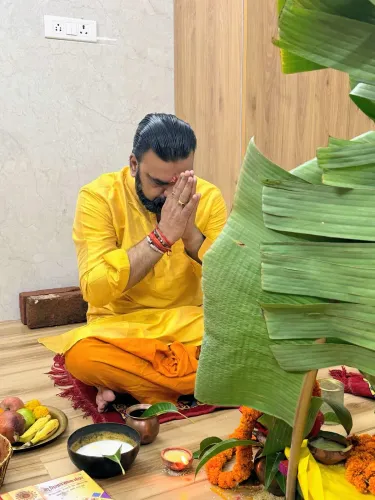
On the auspicious full moon of Guru Purnima, Bihar Chief Minister Samrat Choudhary performed puja-archana (worship and prayer) of Bhagwan Shri Satyanarayan and listened to the sacred katha, invoking blessings of happiness, prosperity, good health, and well-being for all residents of Bihar.
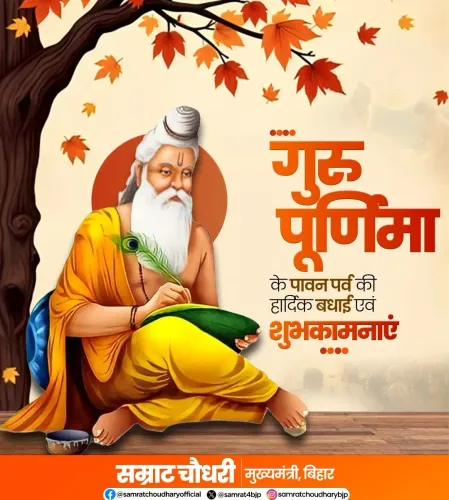
Posting on Wednesday, 29 July 2026, the Chief Minister shared that the festival inspires people to walk the path of knowledge, service, humility, and righteous conduct — values he framed as central to the spirit of Guru Purnima.
What Guru Purnima means for Bihar
Guru Purnima falls on the full moon of the Hindu month of Ashadha and is one of the most widely observed spiritual occasions across Bihar and the broader Hindi heartland. The day is dedicated to honouring gurus, teachers, and spiritual guides — a tradition rooted in both Hindu and Buddhist practice. Households and temples across the state mark the occasion with prayers, recitations of sacred texts, and acts of devotion.
The Satyanarayan katha — a narrative worship ritual dedicated to Lord Vishnu in his form as Satyanarayan — is a particularly common observance during auspicious full-moon days, making the Chief Minister's choice of ritual both personally expressive and culturally resonant with millions of Bihari families.
Festival outreach as political tradition
Senior leaders across India's political spectrum routinely acknowledge major Hindu festivals through public posts and personal observance, and BJP leaders have made this a consistent part of their public communication calendar. For Choudhary, the Guru Purnima message reinforces themes of cultural continuity and community welfare that form a recurring thread in his public persona as Chief Minister of one of India's most populous states.
The festival calendar in Bihar — from Chhath Puja to Guru Purnima — carries deep political as well as spiritual weight, and a Chief Minister's public participation signals attentiveness to the state's lived cultural rhythms. The message closes with a devotional salutation: 'Shri Satyanarayan Bhagwan ki jai!' — 'Victory to Lord Satyanarayan!' — a phrase that doubles as both prayer and public affirmation.
Point of View
Marking Guru Purnima with Satyanarayan puja reinforces the BJP's broader strategy of embedding political leadership within the rhythms of Hindu festival culture. In Bihar, where religious and caste identities shape electoral outcomes sharply, such gestures of piety carry soft but real political currency. The message's emphasis on knowledge and service also lets the occasion do double duty — spiritual outreach and a quiet restatement of governance values.
NationPress
28 Oct 2026
Frequently Asked Questions
What is Guru Purnima and why is it celebrated?
Guru Purnima is an annual Hindu festival observed on the full moon of the month of Ashadha, dedicated to honouring gurus, teachers, and spiritual guides. It is widely celebrated across India, including in Bihar, with prayers, rituals, and acts of devotion.
What did Bihar CM Samrat Choudhary do on Guru Purnima 2026?
Bihar Chief Minister Samrat Choudhary performed Satyanarayan puja and listened to the sacred katha on Guru Purnima, 29 July 2026, praying for the happiness, prosperity, good health, and well-being of all Bihar residents.
What is Satyanarayan puja and when is it performed?
Satyanarayan puja is a Hindu worship ritual dedicated to Lord Vishnu in his form as Satyanarayan. It is commonly performed on auspicious full-moon days and during festivals, involving the recitation of a sacred narrative called the katha.
What values did Samrat Choudhary associate with Guru Purnima?
In his Guru Purnima message, CM Choudhary stated that the festival inspires people to walk the path of knowledge, service, humility, and righteous conduct.
Is it common for Indian political leaders to post about Hindu festivals?
Yes. Political leaders across India, particularly from the BJP, routinely acknowledge major Hindu festivals through public posts and personal observance as part of their cultural outreach and communication with constituents.