CM Samrat Choudhary Orders World-Class Facilities at Gaya, Rajgir, Nalanda

Synopsis
Bihar CM Samrat Choudhary held a high-level Tourism Department review on 14 June 2026, directing officials to deliver international-standard facilities at Gayaji, Rajgir, and Nalanda — three of Bihar's most significant Buddhist and heritage pilgrimage sites.
Key Takeaways
CM Samrat Choudhary chaired a high-level Bihar Tourism Department review meeting on 14 June 2026 .
The meeting was held at Sankalp Sabhagar , Lok Sevak Avas , Patna.
He directed officials to provide international-standard tourist facilities at Gayaji , Rajgir , and Nalanda .
Gayaji and Nalanda are both UNESCO World Heritage Sites and key Buddhist pilgrimage destinations.
The sites fall within the Buddhist Circuit of the central government's Swadesh Darshan scheme launched in 2014-15 .
The directive signals a push to attract greater foreign pilgrim arrivals from East and Southeast Asia .
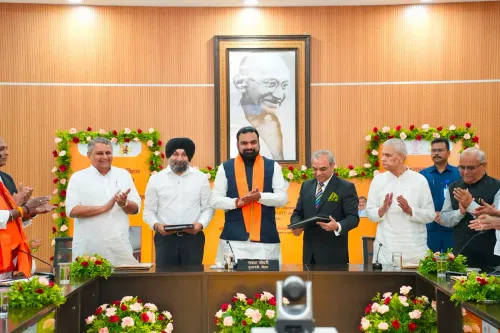
The Chief Minister's Office of Bihar announced on Sunday, 14 June 2026 that Chief Minister Samrat Choudhary chaired a high-level review meeting of the Bihar Tourism Department at Sankalp Sabhagar (Resolve Auditorium), located at Lok Sevak Avas, the official residence complex in Patna. During the meeting, he directed officials to provide international-standard facilities for tourists at Gayaji, Rajgir, and Nalanda.
Context
The post states that CM Choudhary instructed the Tourism Department to ensure that visitors to Gayaji, Rajgir, and Nalanda receive facilities matching international standards. The directive came during a structured review session, signalling that the state government is actively auditing the current state of tourism infrastructure at these three sites. The meeting's venue — Sankalp Sabhagar — is a designated space within the Chief Minister's official complex used for departmental reviews.
Policy Backdrop
Gayaji is home to the Mahabodhi Temple, a UNESCO World Heritage Site and one of the most sacred destinations for Buddhist pilgrims worldwide. Nalanda houses the ruins of the ancient Nalanda University, also a UNESCO World Heritage Site, drawing scholars and tourists from across East and Southeast Asia. Rajgir carries deep historical significance for both Buddhist and Jain traditions, anchored by sites such as Gridhakuta Hill.
The Government of India launched the Swadesh Darshan scheme in 2014-15, which included a dedicated Buddhist Circuit covering precisely these three locations in Bihar. State governments have since sought to complement central funding with their own infrastructure drives, particularly targeting foreign pilgrim arrivals from Buddhist-majority nations.
Stakeholders and Impact
The directive directly affects pilgrims, heritage tourists, and local tourism businesses — including hotels, guides, and transport operators — in the Gaya, Rajgir, and Nalanda belts. Upgrading amenities to international standards is expected to make these destinations more competitive against peer Buddhist-circuit locations in neighbouring countries. For local communities, improved tourist footfall translates into livelihoods tied to hospitality, handicrafts, and services.
Bihar has historically faced a gap between the cultural significance of its heritage sites and the quality of on-ground visitor infrastructure. A high-level review meeting signals that the state administration is treating this gap as a priority governance issue rather than a routine departmental matter.
What's Next
The immediate focus will be on whether the Bihar Tourism Department translates the CM's directive into specific project tenders, budget allocations, or timelines in the next state fiscal cycle. Observers will watch for announcements on amenities such as visitor centres, sanitation, signage, accommodation standards, and connectivity at all three sites. Progress on these fronts will also determine how effectively Bihar can position itself on the international Buddhist pilgrimage map ahead of upcoming tourist seasons.
Point of View
Rajgir, and Nalanda fits a long-standing pattern of Bihar administrations leveraging the state's unmatched Buddhist heritage to court international pilgrims — particularly from East and Southeast Asia — as an economic driver. Holding a formal high-level review rather than issuing a routine circular suggests the administration is treating tourism infrastructure as a credibility issue for the state. The move aligns with the central government's own Buddhist Circuit investments under Swadesh Darshan, potentially positioning Bihar to seek additional central co-funding. The real test will be whether the directive produces measurable on-ground improvements before the next peak pilgrimage season.
NationPress
13 Sept 2026
Frequently Asked Questions
What did Bihar CM Samrat Choudhary announce for Gaya, Rajgir and Nalanda?
CM Samrat Choudhary directed the Bihar Tourism Department to provide international-standard facilities for tourists at Gayaji, Rajgir, and Nalanda, following a high-level review meeting on 14 June 2026.
Where was the Bihar Tourism Department review meeting held?
The meeting was held at 'Sankalp Sabhagar' (Resolve Auditorium) at Lok Sevak Avas, the Chief Minister's official residence complex in Patna.
Why are Gaya, Rajgir and Nalanda important for Bihar tourism?
Gayaji is home to the Mahabodhi Temple and Nalanda houses the ruins of ancient Nalanda University — both UNESCO World Heritage Sites. Rajgir is a historic site sacred to Buddhist and Jain traditions, making all three major draws for domestic and international pilgrims.
What is the Swadesh Darshan Buddhist Circuit in Bihar?
The Swadesh Darshan scheme, launched by the Government of India in 2014-15, includes a Buddhist Circuit covering Gaya, Rajgir, and Nalanda in Bihar, funding infrastructure improvements to boost pilgrimage tourism.
What are the next steps after CM Choudhary's tourism directive?
Observers will watch for specific project tenders, budget allocations, and timelines from the Bihar Tourism Department for upgrading visitor amenities at Gayaji, Rajgir, and Nalanda in the coming fiscal cycle.